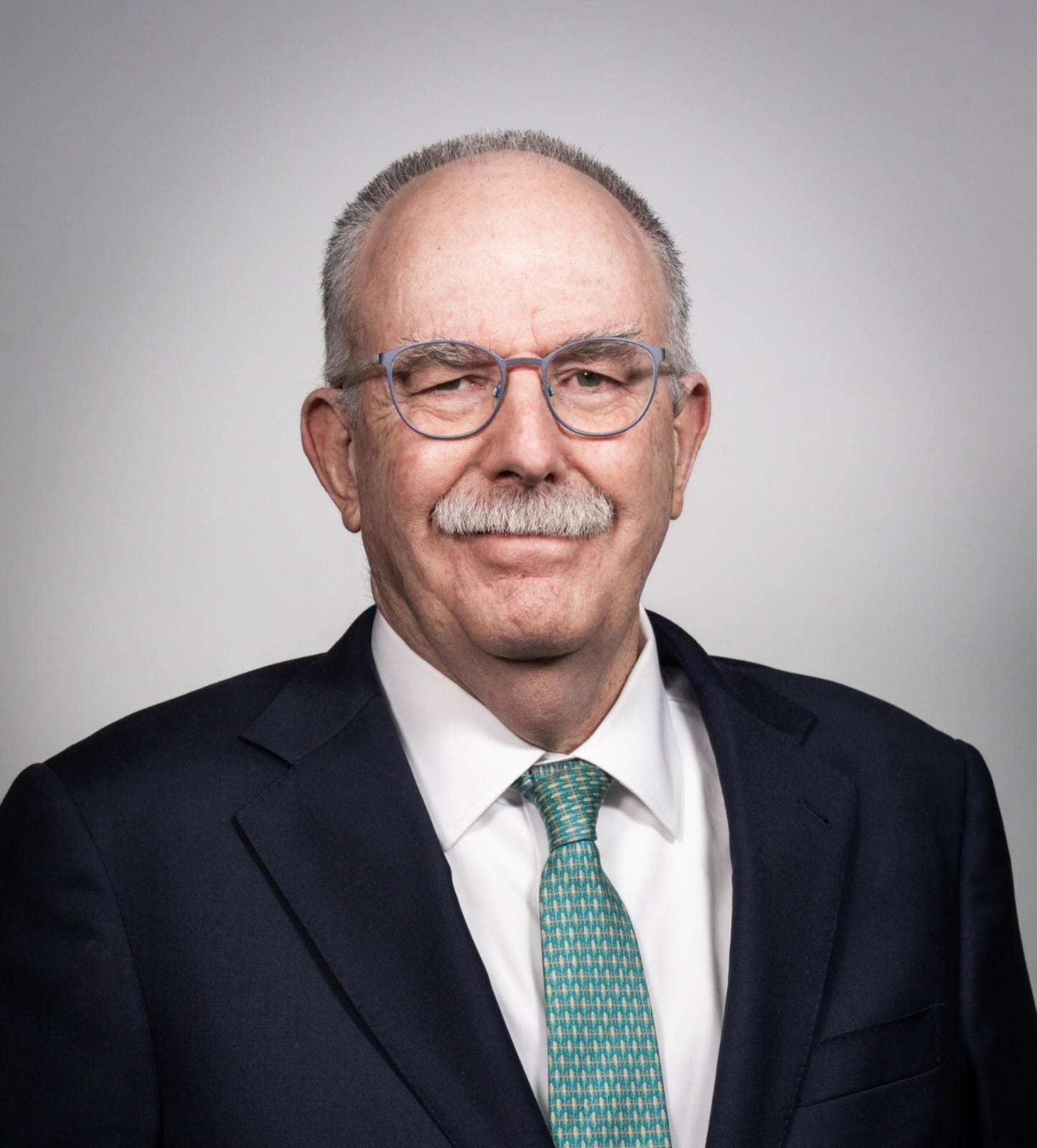
The inauguration of Pope Leo XIV’s first Easter Vigil serves as more than a religious rite; it functions as a high-stakes deployment of soft power within a fragmented global security architecture. While conventional reporting focuses on the aesthetic and ritualistic elements of the liturgy, a structural analysis reveals a calculated diplomatic maneuver designed to re-establish the Holy See as a neutral arbiter in an era of multi-polar conflict. The speech delivered under the dome of St. Peter’s Basilica operates on a tri-part logic: the restoration of institutional moral authority, the utilization of symbolic convergence to address specific geopolitical flashpoints, and the projection of a "Pax Vaticana" that challenges the current dominance of realpolitik.
The Tri-Part Framework of Papal Influence
The efficacy of a new papacy depends on its ability to convert spiritual capital into diplomatic leverage. Pope Leo XIV’s address identifies three distinct pillars of engagement:
- Metaphysical De-escalation: Shifting the narrative from binary geopolitical rivalries to a universalized human condition. By framing conflict through the lens of "shared suffering," the Vatican attempts to bypass the zero-sum logic of nation-states.
- Transversal Mediation: Positioning the Church as a conduit for communication between Western alliances and the Global South. This involves a strategic pivot away from Eurocentric concerns toward a broader, more inclusive definition of global stability.
- Ethical Infrastructure: Proposing a set of non-negotiable human rights that serve as a floor for international negotiation, regardless of the political system in question.
The Mechanism of Symbolic Neutrality
The Easter Vigil is uniquely suited for this diplomatic signaling because it utilizes the "Lumen Christi" (Light of Christ) ritual—a progression from darkness to light—as a metaphor for conflict resolution. In analytical terms, this is the application of Signaling Theory. When Leo XIV calls for "harmony and peace," he is not merely expressing a sentiment; he is issuing a directive to the global Catholic diplomatic corps—the largest non-state diplomatic network in existence.
The Vatican’s neutrality is not passive. It is a functional asset that allows for back-channel communication where traditional state-to-state diplomacy has reached a stalemate. The "Cost Function" of this neutrality is high; the Holy See must remain sufficiently vague to avoid alienating major powers while being specific enough to maintain moral relevance. Leo XIV managed this by categorizing current wars not by their political causes, but by their humanitarian outputs. This focus on outputs (displacement, famine, civilian casualty rates) creates a data-driven justification for intervention that avoids the "Just War" trap that has historically complicated Catholic positions.
Structural Bottlenecks in the Call for Global Harmony
The primary constraint on Leo XIV’s agenda is the decoupling of moral authority from economic and military enforcement. The Vatican possesses "Inertial Influence"—the ability to set an agenda without the power to execute it. This creates a disconnect between the aspirational rhetoric of the Easter Vigil and the operational realities of the world’s conflict zones.
- The Sovereignty Barrier: Nation-states prioritize territorial integrity and internal security over universal ethical appeals.
- The Resource Scarcity Variable: Conflict is frequently driven by competition over physical assets (water, rare earth minerals, arable land). Moral appeals rarely alter the cold math of resource acquisition.
- The Information Asymmetry Gap: In modern hybrid warfare, the Vatican lacks the intelligence-gathering capabilities to compete with the narrative-shaping power of state-controlled media and algorithmic propaganda.
To counter these bottlenecks, Leo XIV appears to be shifting toward a "Subsidiarity Model" of peace-building. This involves empowering local episcopal conferences to act as frontline negotiators, thereby localizing the universal message of the Easter Vigil. This distributed approach reduces the latency between a central decree and ground-level action.
The Geopolitical Cost of Silence vs. Proclamation
Every word in a papal inaugural vigil is weighted against potential blowback. The decision to mention specific regions—or the tactical choice to omit them—functions as a prioritization of the Vatican's limited diplomatic bandwidth.
When the Pope addresses a "world torn by war," the omission of specific aggressors serves a dual purpose. First, it maintains the "All-Party Access" required for mediation. Second, it forces the listener to project their own context onto the message, a psychological technique that increases personal resonance with the text. However, this creates a "Legitimacy Deficit" among victims who demand explicit condemnation of their oppressors. The Holy See calculates that the long-term utility of being a "bridge-builder" outweighs the short-term reputational gain of taking a definitive side.
Operationalizing the Easter Mandate
The transition from the ritual of the Vigil to the reality of the "Urbi et Orbi" (to the city and the world) message requires a strategic shift from theology to policy. Leo XIV’s first act suggests a revitalization of the Secretariat of State’s second section, dealing with relations with states.
The strategy involves:
- Multilateral Reinforcement: Using the Vatican’s Permanent Observer status at the United Nations to translate the Easter Vigil’s themes into specific policy recommendations regarding nuclear non-proliferation and climate-induced migration.
- Ecumenical Alignment: Coordinating with the Orthodox and Protestant leadership to present a unified religious front, thereby increasing the "Moral Friction" against warmongering leaders.
- Digital Diplomacy: Leveraging the Pope’s massive social media footprint to bypass traditional state gatekeepers and speak directly to the younger demographic, which is statistically more prone to anti-war sentiment.
Forecasting the Leo XIV Epoch
The trajectory established during this first Easter Vigil points toward a papacy defined by "Active Non-Alignment." We should expect a push for a "Global Peace Summit" hosted in a neutral territory, likely focused on a specific, non-politicized crisis such as global food security.
The success of this strategy will be measured by the Vatican's ability to insert itself into the negotiation loops of the 2020s. If Leo XIV can demonstrate that the Church's involvement leads to measurable reductions in conflict intensity, he will have successfully updated the papacy for a secularized, data-driven world. The risk remains that the message will be relegated to the "realm of the symbolic," ignored by actors who view peace not as a moral necessity, but as a strategic inconvenience.
The Vatican must now move to quantify its impact. This requires moving beyond the pulpit and into the technical committees where the rules of the next international order are being written. The Easter Vigil was the signal; the subsequent diplomatic maneuvers will be the substance. The focus must remain on the "Civilian Survival Rate" as the primary KPI (Key Performance Indicator) for the success of Leo XIV’s tenure. Any peace that does not demonstrably improve the material conditions of the most vulnerable is merely a cessation of hostilities, not the "harmony" the new Pope has signaled as his primary objective.