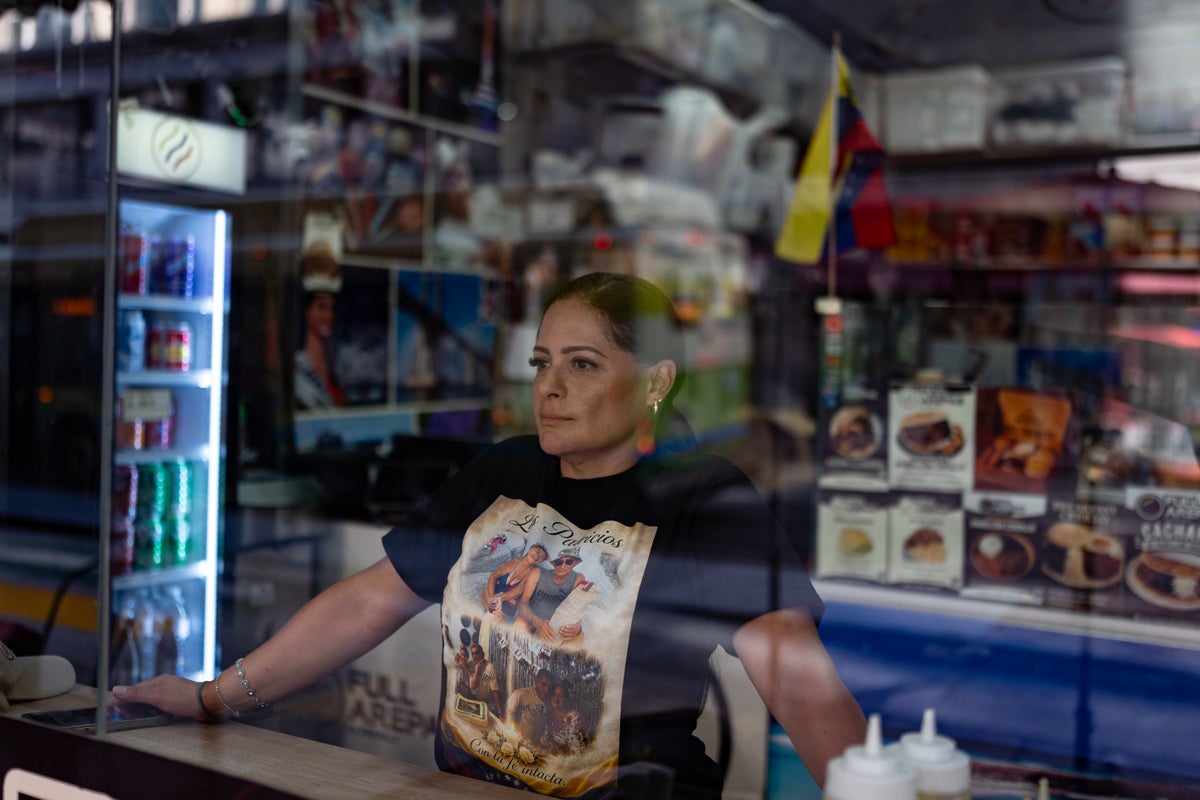
Displacement creates a unique vulnerability. When natural disasters strike thousands of miles away from a homeland already fractured by political and economic collapse, the psychological weight compounds instantly. For the vast diaspora of Venezuelans living in the United States, watching a major earthquake shake their regions of origin is not merely a distant news event. It is a terrifying disruption of whatever precarious stability they have managed to build abroad.
The physical distance between a quiet suburban apartment in Florida or Texas and a collapsing infrastructure thousands of miles south creates a specific kind of modern anguish. Communication lines shatter. Information arrives in jagged, unverified video clips shared across social media platforms. Families must navigate the paralyzing limbo of waiting for a single text message to confirm that elderly parents or siblings survived the tremors. This compounding trauma sits quietly beneath the surface of everyday American life, largely invisible to neighbors, employers, and local institutions. You might also find this related article insightful: Inside the Underground Horse Smuggling Pipeline Feeding America's Screwworm Crisis.
The Anatomy of Transnational Grief
Migration rarely severs the psychological tether to home. For the millions who left Venezuela over the past decade, leaving was an act of survival driven by hyperinflation, food insecurity, and political persecution. Yet, the physical separation means that when a sudden catastrophe like a high-magnitude earthquake strikes their home country or neighboring regions where relatives relocated, the response is immediate panic translated through a screen.
Geographic dislocation alters how disaster recovery is experienced. Traditional disaster response studies focus on local communities banding together after a shock. But transnational populations experience disaster in fragments. They sit at desks in corporate offices, drive ridesshare vehicles, or work in service industries while silently running mental calculations about structural safety, hospital capacities, and emergency funds for relatives living thousands of miles away. As extensively documented in latest reports by Associated Press, the results are notable.
Remittances take on an entirely different urgency during these moments. Regular monthly support sent home to cover basic groceries suddenly shifts into frantic attempts to wire emergency funds for medical supplies, temporary shelter materials, or immediate evacuation transport. Financial institutions often impose delays, transaction fees, and stringent identity checks that turn sending emergency cash into a bureaucratic obstacle course. This economic friction heightens the sense of helplessness for workers who are already living paycheck to paycheck in high-cost-of-living American metropolitan areas.
Navigating Legal and Administrative Blind Spots
Most municipal emergency management systems in the United States operate under assumptions of local residency. They are built to handle hurricanes, floods, or local infrastructural failures that impact physical neighborhoods directly. They are entirely unequipped to address the psychological and logistical fallout of transnational trauma experienced by immigrant populations.
When a community is already dealing with the complex labyrinth of the American immigration system, applying for temporary protected status, or awaiting asylum hearings, adding a sudden overseas crisis creates acute administrative vulnerability. Many undocumented or semi-documented individuals avoid seeking mental health support or community aid out of a generalized fear of institutional visibility. Local resource centers frequently fail to advertise services in a culturally competent manner, treating the diaspora as a monolith rather than a mosaic of distinct regional identities carrying specific histories.
Workplace flexibility remains another unaddressed structural barrier. American labor standards rarely account for the acute psychological incapacitation caused by international disasters. Workers who receive devastating news from home are typically expected to maintain standard productivity levels. Taking bereavement or stress leave often requires formal documentation that is nearly impossible to secure when local municipal records in the disaster zone are buried under rubble or electronic infrastructure has failed entirely.
Grassroots Resiliency Networks
Institutional failures routinely force marginalized communities to build their own systems of mutual aid. Within hours of a major tremor, informal networks activate across WhatsApp groups, Telegram channels, and church basements. These digital and physical spaces transform into impromptu relief coordination centers.
Small business owners, local cultural associations, and faith-based groups pool resources to collect donations, organize supply drives, and provide emergency financial assistance. This organizing relies heavily on social capital and absolute trust within tight-knit diaspora circles. However, these grassroots efforts operate on a shoestring budget and lack the logistical scale required to handle large-scale infrastructural reconstruction or sustained psychological care.
The emotional toll on the organizers themselves is immense. Community leaders often act as unofficial social workers, translators, and trauma counselors for dozens of families simultaneously. Burnout is high, and the financial drain on immigrant-owned businesses that regularly donate goods and space is severe. Despite these constraints, these decentralized networks remain the most reliable safety net available, bridging the gap where state and federal response mechanisms fail to reach.
Toward Structural Integration
Supporting displaced populations through recurring transnational crises requires a fundamental shift in how local governments and social service agencies conceptualize community health. Crisis response can no longer stop at the municipal border. Integrating mental health outreach that understands the specific psychological profile of political displacement is essential for long-term stability.
Employers must also evolve. Implementing compassionate leave policies that acknowledge international family ties and transnational emergencies helps retain talent and prevents the silent burnout of immigrant workforces. When institutions recognize that the well-being of their workforce is tethered to global events, everyone benefits.
The resilience displayed by these communities is extraordinary, but resilience should not be used as an excuse for systemic neglect. True support means building permanent infrastructure that acknowledges the global realities of modern migration, ensuring that when disaster strikes across borders, those living in the shadows are not left to pick up the pieces entirely alone.


