The conflict regarding the removal of mule deer from Santa Catalina Island is frequently reduced to a binary choice between animal welfare and environmental conservation. This reductionism ignores the underlying biological stressors and the systemic failure of the island’s current closed-loop ecosystem. To evaluate the proposal by the Catalina Island Conservancy to eliminate the deer population via aerial culling, one must analyze the situation through three specific lenses: the Carrying Capacity Breach, the Trophic Cascade Effect, and the Economic Viability of Non-Lethal Intervention.
The Carrying Capacity Breach and Resource Scarcity
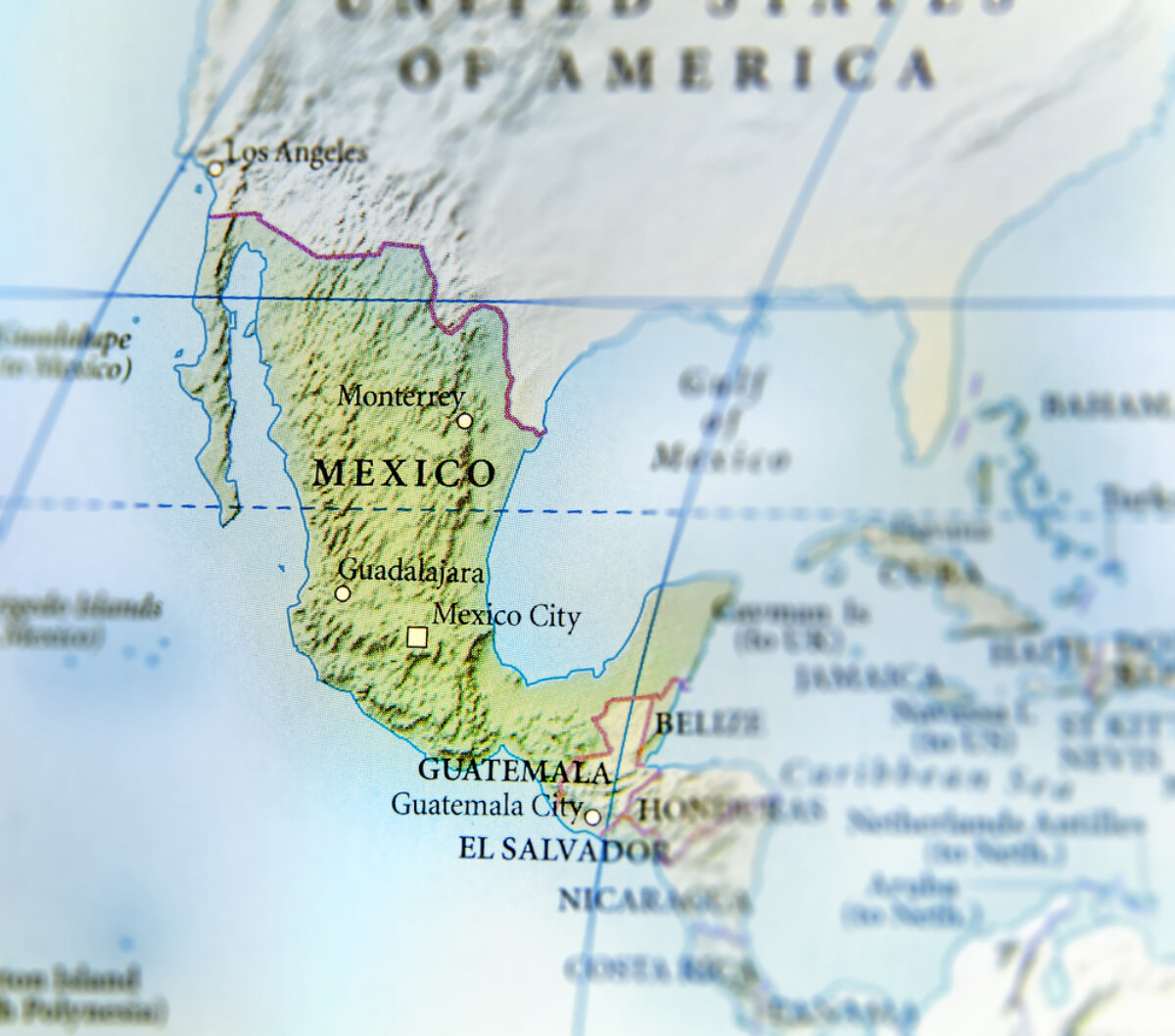
Santa Catalina is a finite geographical system of approximately 48,000 acres. Unlike mainland ecosystems, island biomes lack the "safety valve" of migration. When a species exceeds its carrying capacity—the maximum population size that an environment can sustain indefinitely without degrading the resource base—the result is an inevitable population crash preceded by habitat destruction.
Mule deer are not native to Catalina; they were introduced in the 1930s for recreational hunting. In the absence of apex predators like mountain lions or wolves, the deer population is regulated solely by resource availability and human intervention. Current estimates suggest the population fluctuates between 1,500 and 2,000 individuals.
The biological cost of this density is visible in the vegetation "browse line." Deer consume native seedlings before they can reach maturity, effectively halting the replacement cycle of the island’s floral architecture. This creates an even-aged forest stand where older trees die off without a younger generation to replace them. The primary mechanism at work here is Overbrowsing-Induced Successional Failure.
The Hydrological Impact of Deforestation
The removal of understory vegetation by mule deer extends beyond the loss of plant diversity. It fundamentally alters the island's hydrology.
- Soil Compaction: High hoof traffic increases bulk density of the soil, reducing infiltration rates.
- Erosion Acceleration: Without a root matrix to stabilize the topsoil, seasonal rains lead to significant sediment runoff into the surrounding marine protected areas.
- Loss of Fog Drip: Catalina relies heavily on "fog drip"—the process where island flora captures moisture from low-hanging clouds. By thinning the canopy and destroying the scrub layer, deer reduce the total water input into the island's aquifer.
The Trophic Cascade Effect and Biodiversity Loss
The presence of mule deer triggers a negative trophic cascade that impacts species far removed from the deer's direct lineage. This is most evident in the decline of the island’s endemic species—those found nowhere else on Earth.
Endemic Vulnerability
Catalina is home to over 60 endemic species, including the Catalina Island fox, the ornate shrew, and various rare plants like the Catalina mahogany. The deer act as a "generalist herbivore" that outcompetes specialized native species for high-quality forage.
- Floral Depletion: Deer selectively browse on high-protein native plants, such as the Island scrub oak and the Catalina manzanita. This selective pressure allows unpalatable, invasive Mediterranean grasses to dominate the landscape.
- Habitat Simplification: By removing the dense scrub layer, deer eliminate the nesting sites and cover required by native birds and small mammals. The loss of vertical complexity in the habitat directly correlates to a drop in avian species richness.
The argument that these deer have "integrated" into the ecosystem over 90 years fails to account for evolutionary timescales. Native plants on the mainland evolved alongside deer and developed defense mechanisms like thorns or chemical deterrents. Catalina’s endemic flora evolved in a predator-free environment and lacks these "anti-herbivory" traits. This makes the interaction between the deer and the island not a natural balance, but a one-sided extraction.
The Cost Function of Non-Lethal Intervention
Public opposition often centers on two alternatives to culling: immuno-contraception and relocation. A rigorous strategy consultant must analyze these through the lens of Operational Scalability and Fiscal Responsibility.
The Failure of Relocation Logistics
Relocating 2,000 deer from a rugged, roadless island is a logistical impossibility that ignores veterinary reality.
- Capture Myopathy: Deer are highly susceptible to stress-induced muscle necrosis during handling. Mortality rates for wild deer capture and transport often exceed 20-30%.
- Pathogen Transmission: Moving Catalina deer to the mainland risks introducing island-specific parasites or diseases to stable mainland populations.
- Resource Allocation: The cost per head for helicopter net-gunning, veterinary clearance, barge transport, and mainland release is estimated between $1,000 and $3,000. For a population of 2,000, this represents a capital outlay of $2 million to $6 million without addressing the root cause of the population's growth.
The Mathematics of Immuno-contraception
Immuno-contraception (e.g., PZP vaccines) requires a high percentage of the female population (typically >80%) to be treated and boosted annually.
- Accessibility Bottlenecks: Large portions of Catalina are inaccessible by foot or vehicle. Darting deer in these regions is statistically improbable.
- Asymptotic Effectiveness: Even if successful, contraception does not reduce the current grazing pressure. It merely slows the rate of increase. The habitat would continue to degrade for the 10-15 year lifespan of the existing herd.
Navigating the Ethical Dissonance
The "Bambi" effect cited in public discourse is a form of Charismatic Megafauna Bias. It prioritizes the survival of a visible, sentient individual over the invisible extinction of thousands of plants, insects, and soil microbes.
From a data-driven perspective, the "right" to exist for an invasive species cannot supersede the "right" to exist for an entire ecosystem. If the mule deer are not removed, the island faces a "state shift"—a point of no return where the soil loss and seed bank depletion become so severe that the original ecosystem cannot be recovered even if the deer are eventually removed.
The Mechanism of Aerial Culling
The proposal for aerial culling—using sharpshooters from helicopters—is often criticized as "inhumane." However, from a clinical standpoint, it is the most efficient method for rapid population reduction in rugged terrain.
- Precision: High-altitude platforms provide clear lines of sight, minimizing the risk of non-lethal wounding.
- Speed: Rapid removal prevents the remaining deer from "learning" to avoid hunters, which often happens in ground-based hunting scenarios.
- Mitigation of Suffering: Long-term starvation due to overpopulation is a slow, agonizing process. A coordinated cull provides a terminal solution to a systemic welfare problem.
A Strategic Framework for Island Restoration
The restoration of Santa Catalina requires a transition from "managing" an invasive species to "restoring" a functional ecosystem. This requires a three-step operational sequence.
Phase I: Immediate Population Eradication
Partial removal is a failed strategy. Due to the high reproductive rate of mule deer, a 50% reduction in population can be neutralized within a few breeding seasons. The goal must be total eradication to allow the seed bank to recover without constant grazing pressure.
Phase II: Post-Cull Monitoring and Reforestation
Once the deer are removed, the island will likely see an explosion of invasive weeds that were previously suppressed by grazing. A strategic re-seeding of native "pioneer species" is required to shade out invasive grasses and stabilize the soil. This phase requires significant investment in nursery capacity on the island.
Phase III: The Integration of Apex Proxies
To prevent future imbalances, the Conservancy must consider whether the island can support a naturalized regulatory mechanism or if it must remain a high-intervention managed zone. Since reintroducing large predators is socially and geographically unfeasible, the human element must permanently occupy the role of the apex predator through strict biosecurity protocols to prevent the re-introduction of ungulates.
The current trajectory for Santa Catalina is a downward spiral of desertification. The sentiment-driven desire to save individual deer is, in effect, a vote to destroy the island's unique biological heritage. A strategic pivot toward total eradication is the only path that preserves the island's ecological integrity for the next century.
Operational Recommendation: Authorize the aerial cull immediately. The window for ecological recovery narrows with every missed rainfall season. Delaying action out of a desire for consensus will result in a "dead" island where neither the deer nor the native species can survive. Would you like me to analyze the specific impact of the Catalina Island fox recovery program in relation to these proposed ecological shifts?