Cost-of-living erosion, tariff pass-through, and an energy shock tied to conflict with Iran converged on a skeptical electorate ahead of the 2026 midterm elections, turning macro policy into a direct electoral liability for Republicans. A reader Q&A format—such as The Guardian's mid-October 2026 coverage on whether Donald Trump's economic record would sink Republicans in the midterms—surfaces real voter anxieties around groceries, gas, interest rates, tariffs, and war-driven inflation. Yet a collection of scattered reporter answers treats symptoms as separate anecdotes rather than linking the transmission mechanisms that connect policy decisions, external shocks, household balance sheets, and ballot choices.
A rigorous analysis requires separating known empirical facts from educated hypotheses about voter attribution. Known facts include pre-conflict public dissatisfaction with economic management and inflation in early 2026, nonpartisan estimates of household cost burdens from tariffs, sharp increases in energy prices and headline inflation following the escalation involving Iran and disruptions around the Strait of Hormuz, and the resulting Democratic gains in Congress and statehouses in November 2026. Educated hypotheses involve how voters weighed competing blame—separating domestic trade and fiscal choices from geopolitical shocks—and how much partisan loyalty eroded among specific demographic cohorts. For a more detailed analysis into similar topics, we recommend: this related article.
Deconstructing the Q&A Logic and Its Analytical Gaps
Reporter Q&As excel at breadth because readers supply the friction points: grocery bills, pump prices, borrowing costs, unionization, or fiscal legislation. Their structural weakness is horizontal sprawl without a causal spine. Answering twenty isolated questions creates an illusion of completeness while leaving three analytical blind spots:
- Conflating stock and flow in household budgets: Voters experience price levels and recurring monthly obligations (groceries, utilities, rent, debt service) immediately, whereas macro commentary often points to aggregate output or asset valuations.
- Treating geopolitical shocks as standalone stories: Energy spikes from the conflict with Iran interact directly with domestic transport, freight, and manufacturing costs, amplifying price pressures already stirred by import tariffs.
- Missing the attribution gap: High disapproval of economic handling does not automatically translate into endorsement of the opposition; midterms often function as referenda on incumbent accountability and institutional checks.
The first limitation of episodic reporting is that it frames affordability as a checklist of grievances rather than a coupled system. When energy and tariff costs rise simultaneously, a household faces a compound squeeze on discretionary income even if aggregate consumer spending has not yet collapsed into a broad contraction. For broader background on this topic, in-depth coverage is available on USA Today.
The Four Transmission Mechanisms of Midterm Economic Risk
To move from journalistic Q&A to operational political-economic analysis, evaluate the 2026 midterm environment through four mechanisms: the Affordability Squeeze Function, the External Shock Multiplier, the Attribution and Accountability Loop, and the Coalition Fracture Dynamic.
The Affordability Squeeze Function
Households evaluate economic performance through pocketbook salience—items purchased frequently or carrying rigid fixed payments. Survey snapshots from October 2026 highlighted broad strain, with large shares of respondents reporting they were merely getting by or struggling to make ends meet, and a majority reporting trouble affording groceries.
Import tariffs act as a tax wedge on traded goods and intermediate inputs. Even when importers absorb part of the levy or adjust supply chains, pass-through raises retail prices or compresses margins for smaller firms that lack balance-sheet scale to smooth volatility. Estimates from the Yale Budget Lab put annual household costs from tariffs at roughly $1,100, a figure that hits lower- and middle-income households harder because essential goods consume a larger share of their budgets. Promise-versus-delivery gaps widen when campaign pledges to cut energy bills or lower gas prices collide with higher actual outlays.
Consider a two-income suburban household carrying credit card balances and auto payments while shopping for weekly groceries. A moderate uptick in food and fuel costs does not force immediate destitution, yet it erodes savings buffers and heightens sensitivity to interest rates and job stability. Politically, persistent moderate inflation on daily necessities generates durable irritation even when headline growth indicators look less alarming than recessionary benchmarks.
The External Shock Multiplier
Geopolitical conflict alters macro trajectories through supply bottlenecks rather than domestic demand alone. The escalation involving Iran and resulting disruptions around the Strait of Hormuz injected a major energy shock into global markets, pushing oil and fuel costs upward and feeding headline inflation.
Energy is an input across almost every sector of a modern economy. Higher gasoline and diesel prices raise commuting expenses and freight charges, transmitting cost increases from fuel pumps to agricultural distribution and retail shelves. Crucially, polling from early 2026—before the major Iran escalation—already showed negative economic ratings and low approval on inflation handling. That baseline vulnerability is an educated hypothesis's best test: the war did not create economic dissatisfaction out of thin air, but it acted as a multiplier on existing price frustration.
The Attribution and Accountability Loop
Voters rarely run econometric regressions to isolate tariff pass-through from war-induced oil spikes. Instead, they apply heuristics of incumbent responsibility and institutional balance. When a president stakes political identity on economic stewardship and frames elections around personal leadership, voters tend to assign credit or blame for macro conditions directly to the governing party.
Midterm elections also serve as a thermostat on executive authority. Post-election polling from the 2026 cycle showed large majorities of voters believing Congress was not providing enough checks and balances on the presidency, alongside broad dissatisfaction with administration priorities. Even where voters held mixed or lukewarm views of the opposing party, dissatisfaction with the incumbent party's handling of costs and governance proved sufficient to flip seats.
The Coalition Fracture Dynamic
Economic headwinds test coalition durability across two fault lines: class/income and cross-pressured demographics. Gains made by Republicans among working-class or minority voters in prior cycles remain conditional on tangible material improvement. When cost-of-living pressures persist—and when intra-party optimism falls sharply, as seen in polling shifts among Republicans between early 2025/2026 and autumn 2026—enthusiasm softens among core supporters while swing and independent voters defect.
Moderate candidates in competitive districts face a classic positioning dilemma. Tight alignment with unpopular economic or executive policies risks alienating independent voters focused on prices and institutional checks, whereas distancing invites base friction or primary pressure.
Separating Known Facts From Educated Hypotheses
Clear strategy depends on separating what data establishes from what analysts infer:
- Known empirical fact: Public dissatisfaction with economic conditions and inflation was already elevated in early 2026 prior to the Iran war escalation, and autumn 2026 surveys reflected widespread concern over groceries, living costs, and energy prices.
- Known empirical fact: Tariffs added measurable annual costs per household according to nonpartisan modeling, while conflict-linked energy disruptions pushed oil and fuel prices higher and lifted headline inflation.
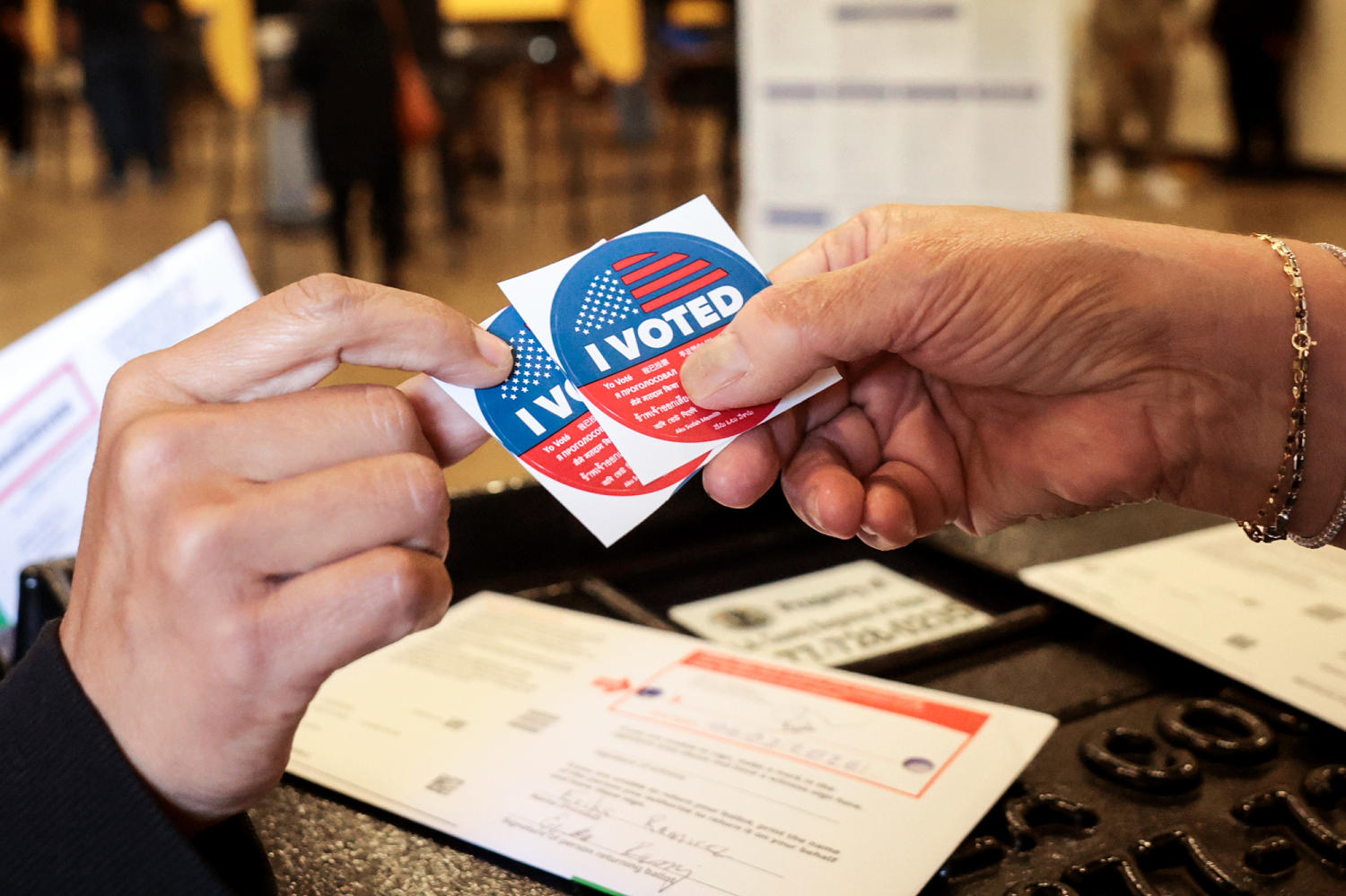
- Known empirical fact: Democrats won majorities in both the House and Senate and flipped governorships in the November 2026 midterms, with voter polling pointing to cost pressures, war/energy impacts, and desires for congressional checks and balances.
- Educated hypothesis: While energy shocks accelerated inflation in 2026, domestic tariff policy and pre-existing affordability fatigue laid the groundwork that made Republicans vulnerable to a midterm backlash regardless of foreign conflict timing.
- Educated hypothesis: Because voter frustration centered heavily on everyday prices and executive overreach rather than deep affinity for the opposition platform, newly empowered majorities face a narrow mandate that can erode quickly if they fail to deliver visible cost relief.
Tactical Playbook for Campaigns, Policymakers, and Analysts
Anyone diagnosing or contesting midterm economic vulnerability should execute a disciplined sequence rather than relying on talking points:
- Audit pocketbook baskets by decile. Track prices for groceries, electricity, motor fuel, insurance, and housing costs separately from aggregate GDP or equity indices. Identify which line items expanded fastest over the preceding six to twelve months.
- Map cost pass-through chains. Trace how tariffs, freight rates, and energy prices enter local consumer prices. Separate temporary supply-shock spikes from structural cost increases embedded in contracts and wages.
- Measure attribution elasticity. Pair economic anxiety questions with blame-assignment and checks-and-balances items. Determine whether persuadable voters blame executive trade/fiscal policy, foreign conflict, or congressional inaction.
- Target high-friction swing cohorts. Focus messaging and policy proposals on households facing tight cash-flow margins and candidates in districts where nationalized economic grievances outweigh local incumbency.
- Stress-test against counter-narratives. Anticipate how opponents link price pain to policy choices and how voters react to promises of future relief when current bills remain high.
This framework has clear limits. Polling captures sentiment at a moment in time and can shift if energy markets stabilize or wage growth accelerates; conversely, partisan polarization can lock in votes even when economic perceptions sour. Furthermore, legislative gridlock in a divided government constrains how quickly either party can alter prices through statutory action.
Strategic Recommendation for the Post-Midterm Cycle
For Republican strategists and policymakers evaluating the aftermath of the 2026 defeat, the decisive move is to re-anchor economic credibility around verifiable near-term price relief and supply-chain predictability rather than macro abstractions or retrospective blame. Voters penalize governments when daily essentials feel out of reach and when policy swings compound uncertainty; rebuilding durable competitiveness requires pairing disciplined cost-lowering measures with clear institutional guardrails that persuadable voters trust.