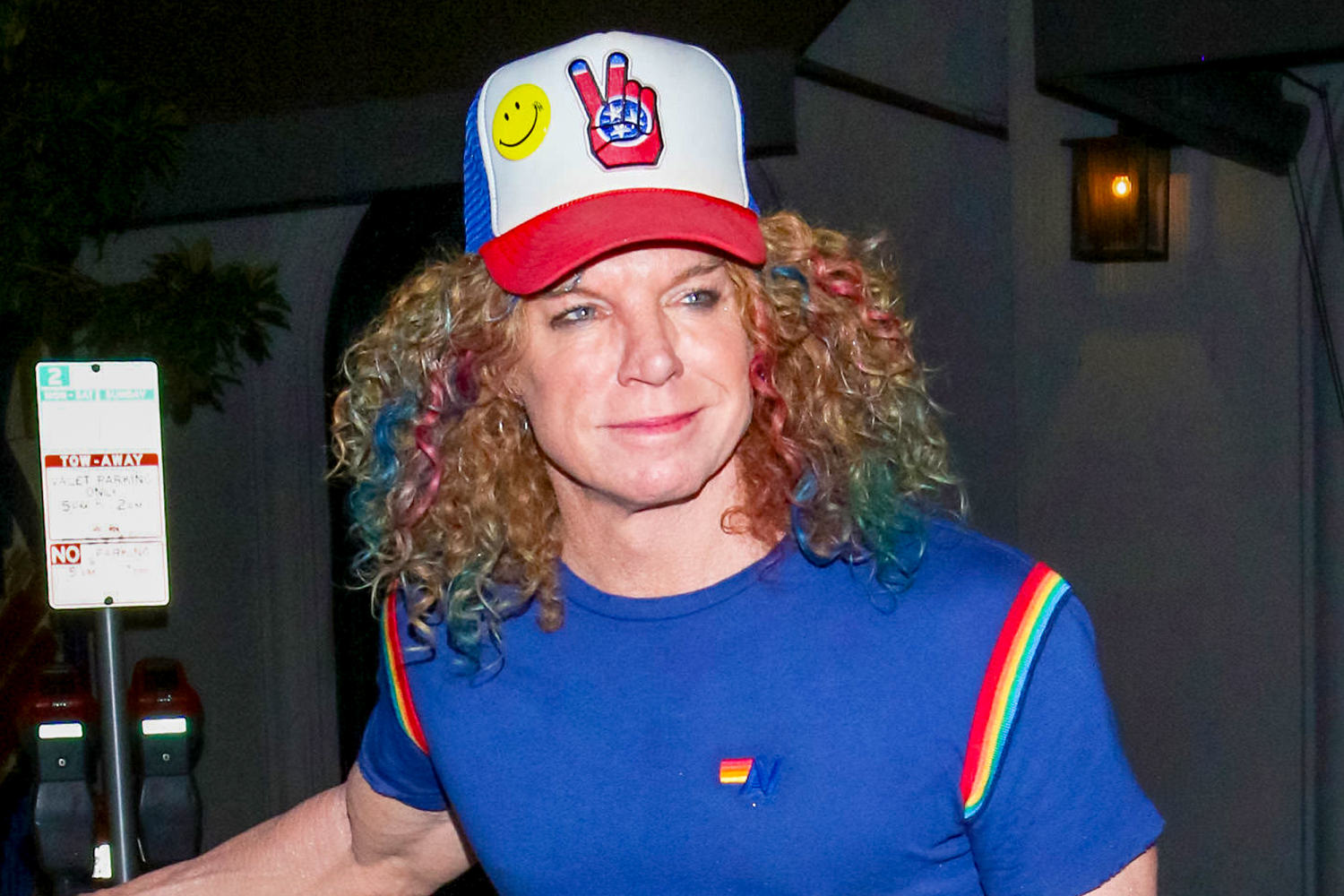
The public disclosure of a high-profile medical emergency operates within a rigid, highly calculated matrix of institutional protection, brand preservation, and legal liability. When representatives for Scott Thompson, known professionally as Carrot Top, confirmed his hospital release following a late-September crisis, the announcement followed a standard corporate playbook designed to minimize market panic while shielding personal vulnerability behind a wall of requested privacy. Deconstructing this event requires shifting focus away from sensationalist headlines toward the underlying structural dynamics that govern long-term entertainment residencies, public persona maintenance, and crisis management frameworks within the modern media ecosystem.
The Information Architecture of Celebrity Crisis Management
When a veteran performer experiences a severe acute health crisis, the communication pipeline between private reality and public dissemination follows a predictable operational sequence. Initial reports typically emerge through investigative trade publications or police incident logs before institutional representatives issue formal statements. This dual-source friction creates a distinct communication bottleneck.
The primary objective of a publicist during a critical health disclosure is the mitigation of brand depreciation. In the case of long-running entertainment fixtures, the asset being protected is not merely an individual, but an intellectual property backed by multi-year casino contracts, ticket sales velocity, and merchandising equity. The statement released regarding Thompson’s hospitalization relied on three classic stabilizing elements: confirmation of ongoing care, expression of familial gratitude, and a strict boundary regarding privacy.
- The Care Assertion: Establishing that the subject is receiving professional intervention reassures stakeholders, venue operators, and ticket holders that structural stability is being restored.
- The Gratitude Vector: Redirecting public focus toward external support mechanisms softens the clinical nature of the medical emergency and humanizes the narrative.
- The Privacy Perimeter: Restricting the flow of granular medical details serves a dual purpose. It protects the individual from intrusive media exploitation while preventing the commodification of private trauma into public entertainment.
This framework highlights a fundamental reality of modern celebrity culture. Personal crises are instantaneously converted into operational disruptions for major hospitality and tourism conglomerates. When a headliner with a decades-long residency suddenly vanishes from the schedule, the financial friction extends far beyond ticket refunds. It impacts hotel occupancy rates, food and beverage revenues, and secondary entertainment streams tied to the venue.
The Structural Vulnerability Vector of Long-Term Residencies
To understand the underlying pressures that precede acute psychological crises among veteran entertainers, one must analyze the economic and psychological architecture of long-term casino residencies. A twenty-year residency, such as the one anchored at the Luxor Hotel and Casino in Las Vegas, represents an anomaly in the modern entertainment economy. It provides financial predictability, but it introduces severe operational hazards that erode psychological resilience over time.
The Repetitive Performance Loop
The mechanics of prop-heavy, high-energy comedy demand intense physical and cognitive output. Unlike touring musicians or actors who shift projects, a resident comedian executing a consistent show format faces a unique psychological burden. The performance environment becomes an enclosed loop:
- Chronological Compression: Years blend together into a singular operational routine where the performer is trapped inside an immutable brand identity.
- Audience Turnover vs. Internal Stagnation: While every audience represents a fresh demographic, the performer must execute the same physical mechanics, visual gags, and vocal cadences nightly. This creates a profound sense of existential dissonance.
- The Physical Toll of Kinetic Persona: The character of Carrot Top relies on hyper-kinetic movement, facial exaggeration, and prop manipulation. As biological aging intersects with high-intensity physical performance, the physical cost function scales exponentially.
Isolation Within the Entertainment Hub
Las Vegas functions as a hyper-real ecosystem optimized for consumption, hospitality, and performance. However, for residents who live there long-term, the environment can foster profound isolation. The nocturnal schedule of a headliner runs counter to standard biological rhythms and societal support structures. Day-to-night inversion, combined with the transient nature of casino crowds, means that personal interactions are frequently transactional rather than relational.
When an entertainer experiences underlying mental health vulnerabilities, the glittering isolation of a major entertainment corridor can amplify feelings of alienation. The disparity between the explosive, joyful reception experienced on stage and the quiet solitude of off-hours creates a severe psychological differential.
The Cost Function of Persona Retention
Maintaining a hyper-visible, highly specific pop-culture caricature over four decades requires a sustained expenditure of psychological energy. Scott Thompson emerged in the late 1980s and early 1990s as a defining fixture of alternative comedy, utilizing a trunk full of absurd props and rapid-fire visual gags. Over time, the persona assumed a life independent of the individual.
The Bifurcation of Self and Brand
A mature entertainer often experiences a bifurcation between private identity and public expectation. The public demands the perpetual maintenance of the caricature. When fans encounter the performer, they expect the kinetic energy, the iconic visual markers, and the unwavering comedic output associated with the brand.
- The Suppression of Vulnerability: Admitting fatigue, burnout, or despair conflicts with the commercial imperative of an entertainment brand built on buoyancy and absurdity.
- The Empathy Paradox: Performers who make living rooms and theater crowds laugh are frequently subjected to a specific psychological trap. Audiences assume that someone who generates happiness must be immune to profound sorrow. Consequently, expressions of distress from comedic performers often catch supporters and peers entirely off guard.
- The Maintenance Threshold: As public taste shifts and media landscapes fragment, veteran performers face constant pressure to validate their relevance. Even within a secure residency, the invisible pressure to defend one's cultural footprint requires relentless cognitive allocation.
Crisis Mitigation and Institutional Response Patterns
The hospital release of a prominent entertainer initiates a delicate rehabilitation phase characterized by strategic silence, controlled re-entry, and legal safeguarding. When examining how management teams handle the aftermath of a severe psychological crisis, distinct operational protocols emerge.
The Controlled Information Vacuum
In the days following initial hospitalization reports, the absence of detailed updates is rarely accidental. It represents a deliberate strategy to allow acute medical evaluation to occur without external interference. During this phase, media outlets frequently attempt to piece together incident reports from police dispatches or anonymous sources. This creates a secondary crisis: narrative control.
Management teams must counter speculative reporting with measured updates that confirm vital signs and recovery milestones without validating sensationalized details. This protects the dignity of the individual and maintains a stable baseline for future public appearances.
Venue Logistics and Contractual Realities
A major resort hosting a multi-year residency operates under complex contractual agreements. Performance cancellations require immediate operational pivoting:
- Financial Hedging: Venues and artists maintain business interruption insurance or contractual provisions for medical emergencies, but extended pauses disrupt revenue projections.
- Schedule Re-alignment: Pushing back performance dates or holding open-ended hiatuses requires coordination across ticketing platforms, marketing teams, and hospitality partners.
- The Re-entry Curve: When a performer prepares to return to the stage after a severe crisis, the re-entry cannot be abrupt. It requires a measured ramp-up that accounts for public scrutiny, media attention, and the performer's psychological readiness.
The Re-Entry Trajectory and Public Perception Mechanics
The eventual return of a public figure to the public eye following a suicide attempt or severe mental health crisis follows a precise behavioral script. Observers and fans look for indicators of health, authenticity, and stability.
When a performer steps back onto the stage, the initial address to the audience serves a critical therapeutic and commercial function. Acknowledging the event with measured candor disarms speculation, while returning to the core craft signals recovery. However, this dynamic places an immense burden on the individual. The stage becomes both a workplace and a public tribunal where every gesture is analyzed for signs of lingering distress.
The mechanics of recovery in the public eye demand a shift in how audiences consume celebrity narratives. Moving past the initial shock of a crisis requires recognizing that celebrity status does not insulate individuals from systemic mental health struggles. The infrastructure supporting entertainment careers must evolve to prioritize psychological sustainability alongside financial metrics.
Strategic Forecast and Long-Term Industry Adaptation
The systemic handling of mental health crises in the entertainment sector is undergoing a quiet recalibration. Historically, acute psychological distress among performers was treated as a private scandal or concealed entirely behind vague announcements of exhaustion. Today, increased public awareness around suicide prevention and mental health normalization forces a shift in corporate communication.
Venues, agencies, and management firms face mounting pressure to build proactive mental health monitoring into standard contract terms for resident artists. The historical model of demanding uninterrupted, high-frequency performance output without psychological safety nets is proving increasingly untenable.
The trajectory for long-term residencies will likely incorporate mandatory sabbatical windows, integrated wellness support teams, and more flexible cancellation policies that prioritize performer longevity over short-term revenue continuity. By treating mental health crises as predictable structural risks rather than isolated anomalies, the entertainment industry can better protect its creative assets while fostering an environment where vulnerability does not require a crisis to be acknowledged.


