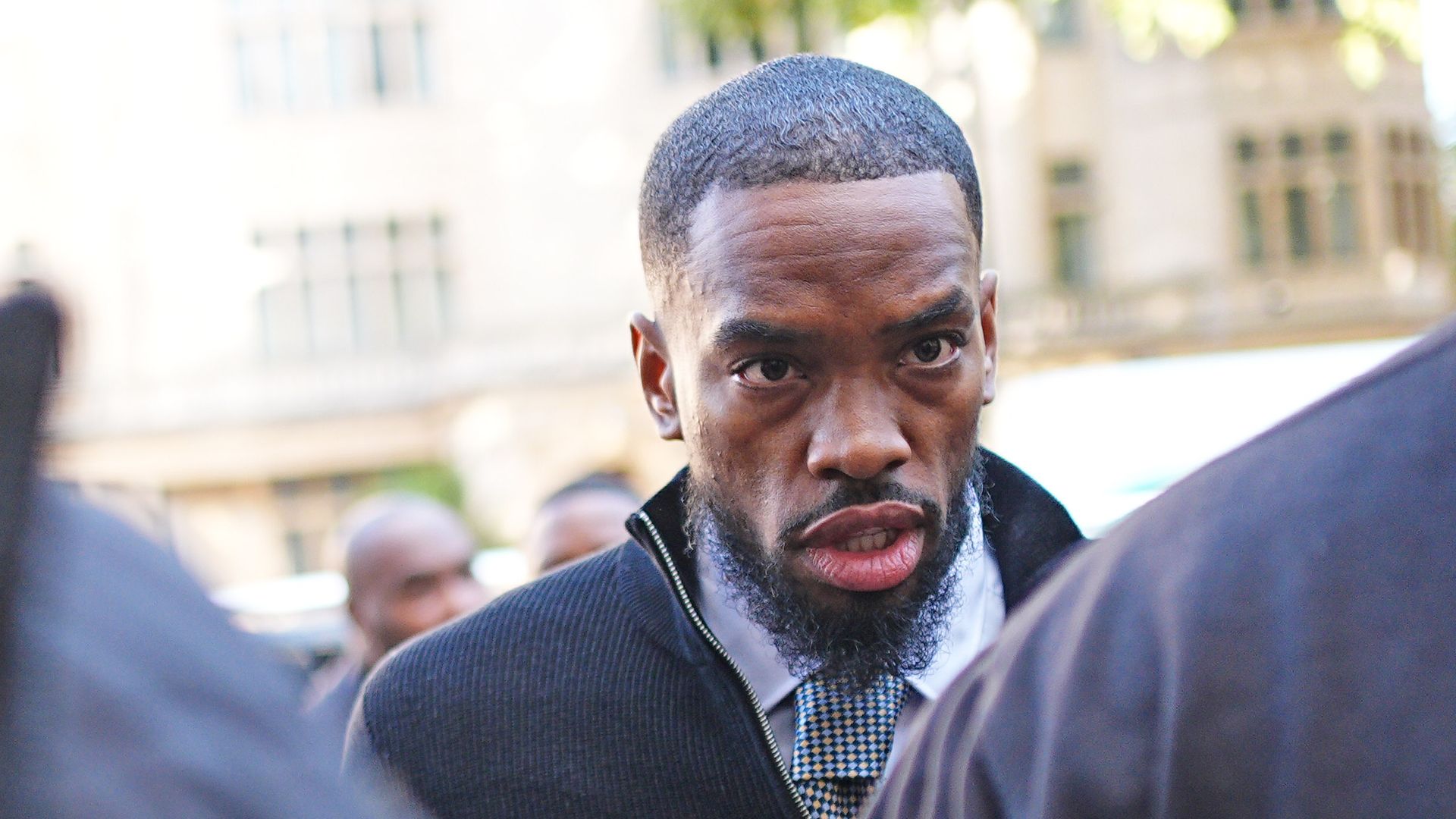
High-profile legal proceedings involving elite athletes function as complex multi-variable risk matrices where reputation, personal liberty, and professional capital intersect under intense public scrutiny. When professional athletes face criminal charges, the resulting institutional response, media amplification, and legal strategy dictate outcomes that extend far beyond the immediate courtroom verdict. Deconstructing the mechanics of criminal defense and public relations management in high-stakes athlete litigation reveals distinct operational pillars that govern how such crises are navigated, contested, and resolved.
The Jurisdictional Calculus and Plea Architecture
The choice of forum represents the foundational strategic decision in any criminal prosecution. Defendants facing summary offenses or either-way offenses in the United Kingdom must evaluate the structural trade-offs between magistrates' courts and crown court trials. In cases involving allegations of assault occasioning actual bodily harm, the statutory ceiling for sentencing and the procedural mechanics of the trial differ significantly depending on the chosen venue.
Opting for a trial by judge and jury at the Crown Court introduces specific variables into the defense architecture:
- Evidentiary scrutiny increases substantially through formal cross-examination protocols and rules of disclosure.
- Juror cognition introduces behavioral unpredictability compared to professional magistrates.
- The temporal runway from initial charge to final verdict extends considerably due to systemic court backlogs.
When an accused individual enters a plea of not guilty, the legal defense typically relies on establishing affirmative defenses or dissecting the evidentiary chain of the prosecution. In scenarios involving physical alterferences inside restricted hospitality venues or nightclubs, establishing the legal threshold for self-defense requires reconstructing the sequence of events, proximity of actors, and proportionality of force used. The burden of proof remains firmly on the prosecution to disprove self-defense beyond reasonable doubt once a credible evidentiary basis is established by the defense team.
The Reputational Cost Function
Beyond the formal legal penalties defined by criminal statutes, elite athletes operate within an ecosystem governed by commercial contracts, international club obligations, and personal brand valuation. The economic impact of criminal proceedings can be modeled through three distinct vectors:
- Direct Legal Expenditure: High-tier defense counsel, forensic experts, and private investigative resources create substantial immediate capital outlay.
- Sponsorship and Commercial Attrition: Brands evaluate association risk through strict moral turpitude clauses embedded in endorsement contracts. Allegations alone can trigger suspension or termination protocols, independent of judicial outcomes.
- Operational Disruption: Mandatory court appearances, international travel constraints under bail conditions, and psychological distraction create measurable friction in athletic performance.
Cross-border professional mobility adds an additional layer of complexity. When an athlete is contracted to an international organization—such as a club in the Saudi Pro League—while facing active legal proceedings in domestic jurisdictions, the management of travel permissions, unconditional bail terms, and club governance becomes an exercise in logistical compliance. Bail conditions that permit international transit allow the continuation of professional duties, mitigating the physical decay of athletic form during prolonged judicial delays.
Media Amplification and Information Asymmetry
The intersection of celebrity and criminal justice generates a high-velocity information environment where preliminary reporting frequently conflates unverified allegations with established facts. Public relations management in these contexts requires strict adherence to sub judice principles while actively monitoring media narratives to prevent systemic bias from polluting potential jurors.
The communication strategy deployed by legal representatives typically follows a dual-track framework:
- Defensive Containment: Limiting public statements to formal assertions of innocence and intent to contest the charges through proper judicial channels.
- Evidentiary Patience: Reserving detailed factual disclosures for the courtroom rather than engaging in trial-by-media, thereby preserving tactical surprise and avoiding inconsistencies that could be exploited during cross-examination.
This approach acknowledges that public sentiment holds zero legal binding authority. The ultimate objective is the complete exoneration or dismissal of charges within a court of law, rendering external public relations secondary to evidentiary integrity.
Systemic Bottlenecks in the Judiciary
The timeline of modern criminal litigation is heavily influenced by structural constraints within the judicial apparatus. Institutional backlogs in crown courts frequently stretch the duration between initial charging decisions and final trial dates across many months. This protracted timeline subjects all stakeholders to sustained cognitive and operational drag. For a professional athlete, managing this latency requires compartmentalization—separating the ongoing legal exposure from daily athletic responsibilities.
Establish trial readiness while maintaining contractual performance standards in an international professional environment, ensuring that legal obligations do not compromise physical conditioning or tactical execution on the field.