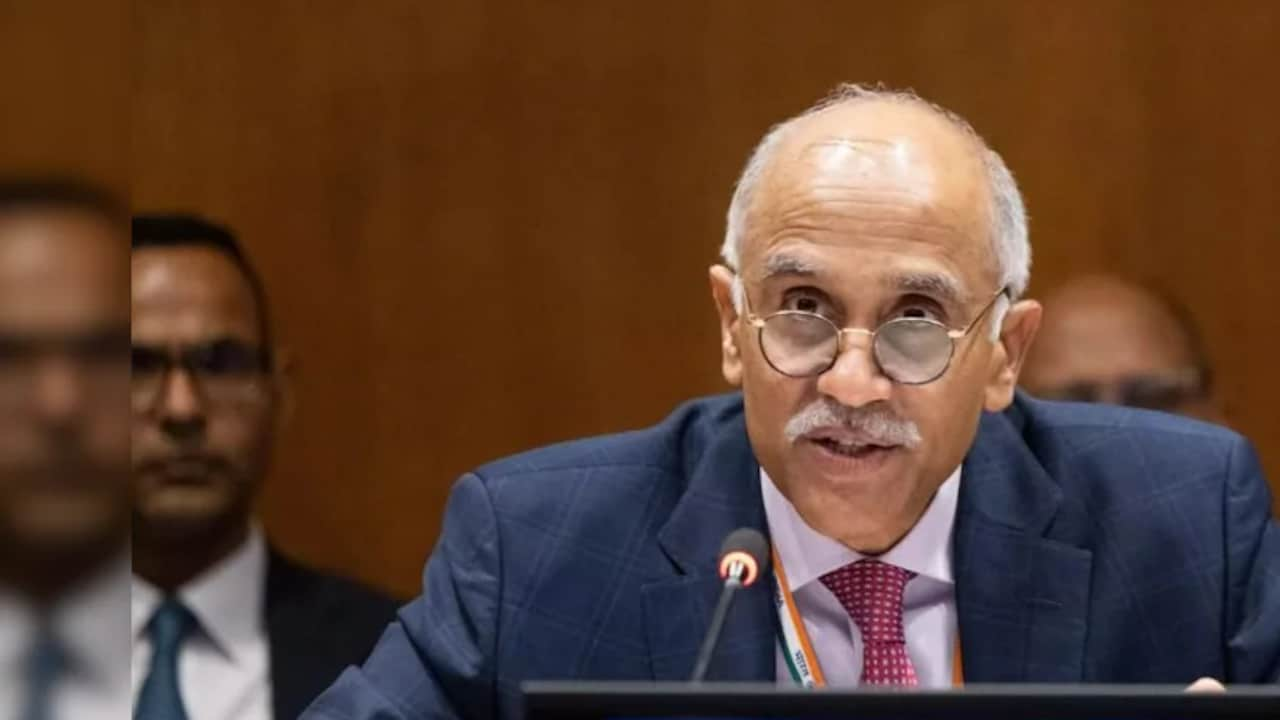
The velvet rope is up, the microphones are tested, and the heavy oak doors of the summit hall are closed. Inside, leaders from Canada and the European Union lean over polished tables, trading handshakes, signatures, and promises about the future of global trade.
Look closely at the seating chart. One chair is conspicuously empty.
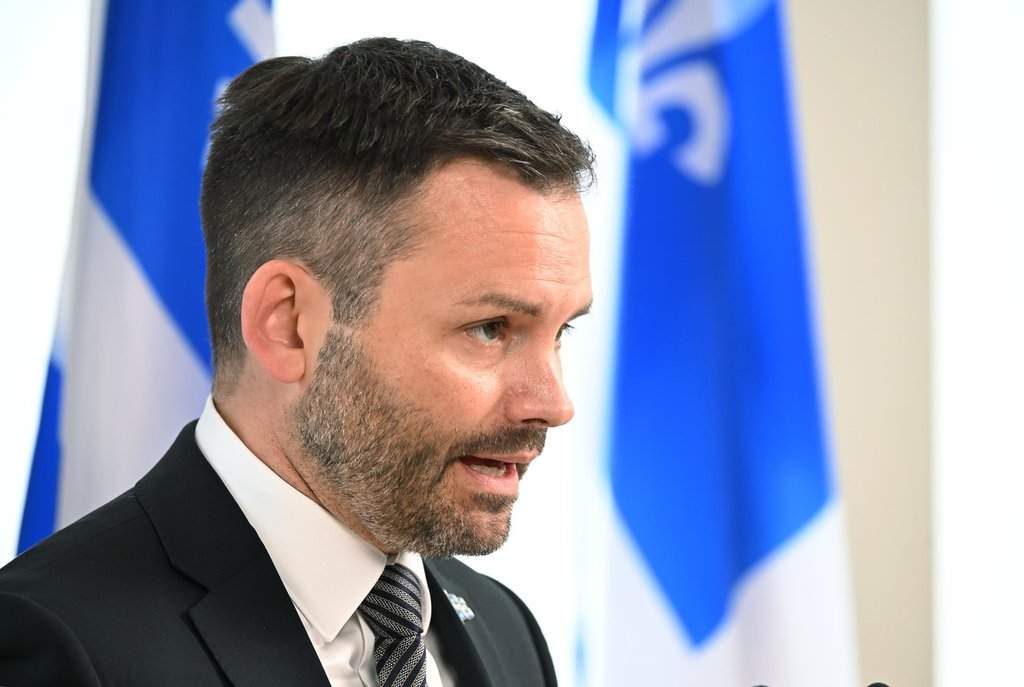
Quebec’s Premier isn't there. He didn't miss his flight, and he didn't catch a sudden chill. He stayed home on purpose, turning his back on one of the most high-profile diplomatic gatherings of the year. To the casual observer scrolling through morning headlines, a Quebec premier boycotting a Canada-EU summit sounds like routine political theater—another chapter in a centuries-old tug-of-war between Ottawa and Quebec City.
It isn't.
To understand why that empty chair matters, you have to step out of the marble hallways of Brussels or Ottawa and walk onto a muddy pasture three hours northeast of Montreal.
The Weight of a Signature
Let’s look at a hypothetical dairy farmer—we’ll call him Marc—waking up at 4:30 in the morning in the Chaudière-Appalaches region. The barn smells of damp hay, warm milk, and diesel exhaust from the tractor idling outside. Marc doesn't care about diplomatic protocol. He cares about the thin margin between paying off his feed bill and losing a farm his grandfather cleared by hand.
When European leaders and Canadian federal officials sit down to discuss the Comprehensive Economic and Trade Agreement—known simply as CETA—they speak in sterile abstractions. They talk about tariff-rate quotas, regulatory alignment, and market access.
In Marc’s barn, those words translate into something visceral: European cheese sitting on the shelves of his local grocery store in Lévis, priced lower than the milk he can produce on his own land.
I remember sitting in a cramped community hall in rural Quebec a few years back, listening to producers try to make sense of international trade deals. The air was thick with wet wool and quiet panic. A woman in the front row held up a laminated sheet of paper covered in export percentages and import caps, her hands trembling slightly. "They traded us," she said quietly, not angry, just exhausted. "We were the chip they pushed across the table to get something else."
That is the emotional core behind the boycott. When Quebec’s leader refuses to take his seat at the Canada-EU summit, he is channeling that exact room. He is signaling to Ottawa that the province will no longer smile for the cameras while its agricultural heartland absorbs the shockwaves of federal diplomacy.
The Invisible Fault Line
Most people outside Canada view the country as a single, polite monolith. Inside, it functions more like an old marriage where both partners keep separate bank accounts and argue endlessly over who controls the thermostat.
Under the Canadian Constitution, international trade belongs to the federal government in Ottawa. The Prime Minister signs the treaties, shakes the hands, and takes the bows. Yet the actual implementation of those treaties—the regulations on labor, natural resources, agriculture, and local procurement—falls heavily on the provinces.
Think of it like a travel agent booking a non-refundable, cross-country road trip without asking the person who actually owns the car or has to pay for the gas.
For years, Quebec was actually one of the loudest cheerleaders for a trade deal with Europe. Former Quebec premiers actively lobbied Brussels, seeing the European Union as a natural cultural and economic counterweight to the United States. When CETA was provisionally applied in 2017, Quebec’s aerospace engineers in Montreal, its aluminum smelters in the Saguenay, and its tech startups in Quebec City saw massive potential.
So why the sudden, icy withdrawal?
Friction. Years of accumulating, grinding friction.
First came the dairy quotas. Under CETA, Canada agreed to let tens of thousands of metric tons of European cheese enter the country duty-free. Because Quebec produces roughly half of Canada’s milk—and the vast majority of its specialty cheeses—the province took the brunt of the hit. Ottawa promised financial compensation to help farmers modernize and compete. The checks were slow, the bureaucracy was suffocating, and the sense of betrayal lingered.
Then came the broader political climate. Ottawa and Quebec City have been locked in an escalating series of turf wars over immigration caps, federal spending in provincial jurisdictions, and environmental regulations. By the time the Canada-EU summit rolled around, showing up to play the supportive junior partner to the federal government had become politically toxic in Quebec.
What Happens When a Province Walks Out
You might wonder if a provincial boycott actually changes anything on the global stage. Does the President of the European Commission lose sleep because a premier stayed home?
Not directly. European leaders deal with sovereign nations, not sub-national governments. Legally, Ottawa doesn't need Quebec’s permission to attend a summit or negotiate updates to trade frameworks.
Yet the fallout is real, and it creeps into the gears of international business like fine sand.
Consider what happens next when a European energy executive or a French tech firm looks at investing in North America. Quebec is a massive prize. It holds vast reserves of clean hydroelectric power, critical minerals needed for electric vehicle batteries, and a French-speaking workforce that feels instantly familiar to European companies.
When Quebec’s premier boycotts the summit, it sends a jolt of uncertainty through those boardrooms. It tells investors that the federal government in Ottawa and the provincial government in Quebec City are not speaking with one voice. If a European company signs a deal in Ottawa today, will it face regulatory roadblocks in Quebec tomorrow?
I’ll be honest: watching this unfold is frustrating, even for those of us who follow trade policy closely. You want to see leaders act like adults in a room, hashing out differences behind closed doors so the people at home can get on with their lives. Instead, diplomacy gets weaponized for domestic headlines. Both sides dig in. Ottawa accuses Quebec of playing petty politics on the world stage; Quebec accuses Ottawa of steamrolling regional interests for international vanity.
Meanwhile, the actual issues on the summit agenda—green energy transitions, supply chain resilience, digital trade rules—get drowned out by the noise of who refused to show up.
The Price of Pride
History shows us this isn't a new script. In the 1960s, Quebec began establishing its own quasi-embassies abroad, called Délégations générales, in cities like Paris, London, and Brussels. Ottawa hated it. The federal government argued that foreign policy had to be unified, that Canada couldn't speak to the world with two mouths. Quebec countered that a distinct society needed its own voice to protect its culture and economy.
That tension never went away. It just changes costumes depending on the decade.
Today, the costume is economic protectionism mixed with nationalist pride. By boycotting the summit, Quebec’s premier achieved an immediate, undeniable victory at home. The local press covered the snub breathlessly. Opposition parties, usually eager to pounce on any sign of weakness, were forced to nod in grudging approval. In Quebec politics, standing up to Ottawa is almost always a winning bet.
Victory has a shelf life, though.
While the premier was back home defending his decision to local reporters, the other Canadian premiers who did attend—or who sent high-level envoys—were quietly cornering European trade ministers during coffee breaks. They were pitching their own provinces as stable, predictable destinations for European capital. Ontario was selling its manufacturing belt; British Columbia was pitching its Pacific ports; Atlantic Canada was touting its green hydrogen projects.
In diplomacy, if you aren't at the table, you are usually on the menu. Or worse, you are simply forgotten while everyone else divides up the dessert.
Beyond the Headlines
Strip away the press releases and the posturing, and you are left with a deeply human dilemma that extends far beyond Canadian borders.
We live in an era where global trade deals are no longer abstract concepts debated by economists in ivory towers. They dictate the price of bread, the survival of small towns, and the viability of family farms. When governments negotiate these massive agreements from on high, without genuinely bringing local communities along for the ride, resentment builds. Eventually, that resentment finds a political outlet.
Sometimes it looks like a protest in the streets of Paris or Brussels, with farmers blocking highways with their tractors. Sometimes it looks like a ballot box revolt. And sometimes, in a quiet, chilly diplomatic maneuver, it looks like a premier refusing to board a plane.
Back in that hypothetical barn in Chaudière-Appalaches, Marc finishes the morning milking. He washes down the concrete floor, hangs up the hoses, and steps out into the crisp morning air. He pulls his phone from his flannel pocket and sees a news alert about the summit boycott.
He doesn't cheer. He doesn't write a letter to the editor. He just locks his screen, climbs back onto his tractor, and heads out to the fields, wondering whether the empty chair in that distant hall will actually keep the lights on in his barn next winter.