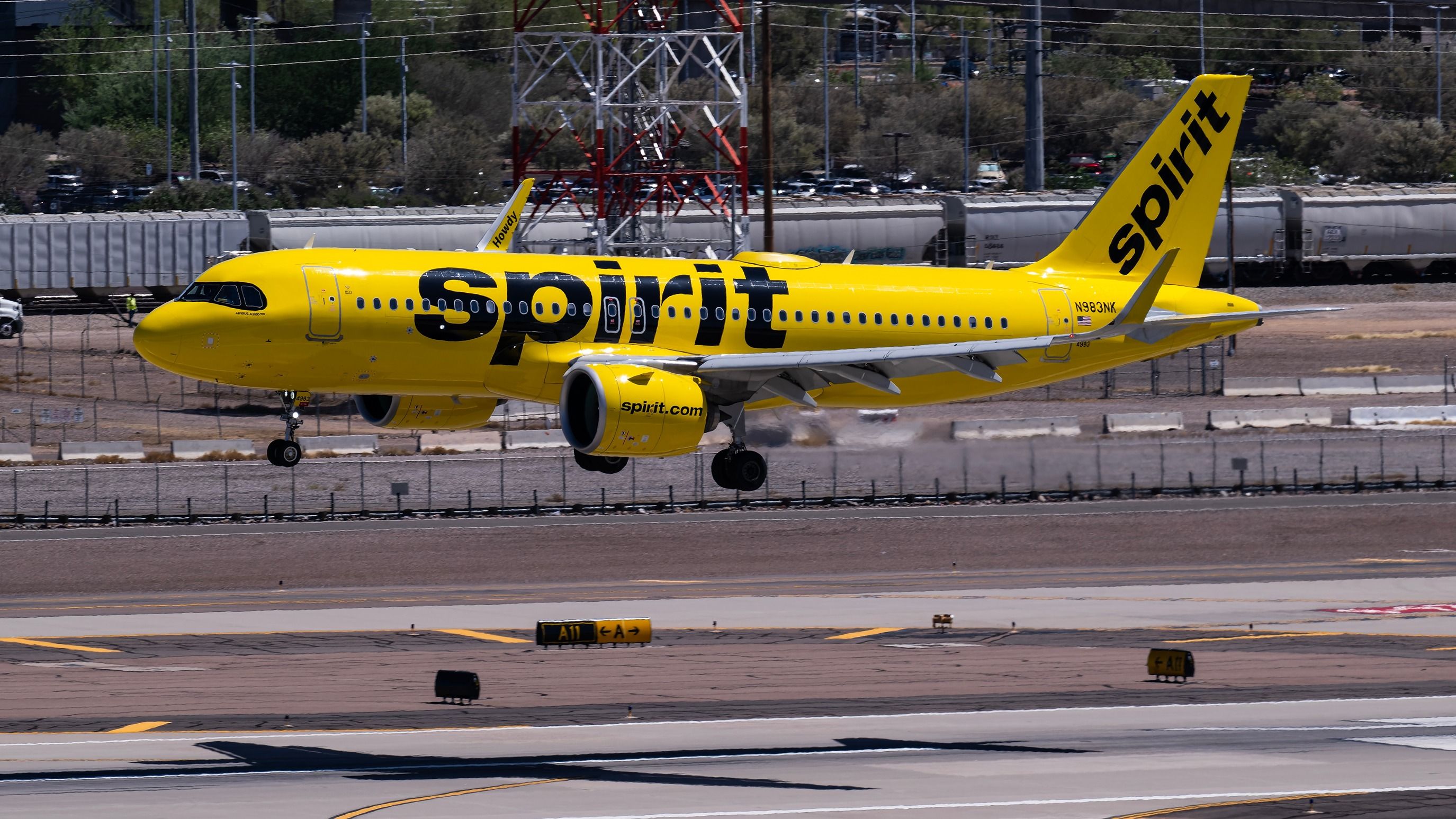
Spirit Airlines is done. After 34 years of bright yellow planes and some of the most hated fees in the sky, the pioneer of "bare fare" flying is closing its doors and ending operations. If you've got a flight booked, you're likely scrambling. If you're a frequent traveler, you're wondering how much more your next ticket will cost now that the biggest price-cutter in the room has left.
This isn't just one company failing. It's a signal that the era of ultra-low-cost travel is hitting a wall. Spirit didn't just sell seats. They sold a specific kind of frustration that people were willing to endure for a $40 flight to Vegas. Now, that trade-off is disappearing.
Why Spirit Airlines finally ran out of runway
The math stopped working. It's that simple. For years, Spirit relied on a high-volume, low-margin strategy. They kept planes in the air constantly and charged for everything from water to carry-on bags. But several massive hurdles turned their balance sheet into a disaster zone.
First, the failed merger with JetBlue was the beginning of the end. When a federal judge blocked that $3.8 billion deal on antitrust grounds, Spirit lost its only realistic escape hatch. They were left with a massive debt load and no big brother to bail them out. You can't just pivot a massive airline overnight when you're bleeding cash and stuck with an aging fleet that needs constant maintenance.
Then came the engine issues. Spirit had to ground dozens of its Airbus A320neo aircraft because of problems with Pratt & Whitney engines. Imagine running a taxi service where 20% of your cars are stuck in the shop for months, but you still have to pay the drivers and the lease. It killed their capacity. It killed their revenue.
The death of the ultra low cost carrier model
Spirit wasn't alone in this struggle, but they were the most exposed. The industry is changing. Big players like Delta, United, and American figured out how to compete by introduced "Basic Economy." They took Spirit’s lunch by offering a slightly better experience for a price that was close enough to hurt the budget guys.
When the price gap between a legacy carrier and a budget airline shrinks to $30, most people choose the airline that doesn't charge them to print a boarding pass. Spirit lost its competitive edge. They couldn't raise prices because their brand was built on being the cheapest. They couldn't lower costs because fuel and labor skyrocketed.
- Fuel prices stayed volatile.
- Pilot salaries went up across the industry.
- Airport fees increased.
Spirit was squeezed from both sides. They were too big to be a niche regional player and too small to fight the giants.
What this means for your future flight prices
Expect to pay more. Honestly, there's no way around it. Spirit served as a "price floor" for the entire industry. Even if you never flew Spirit, you benefited from them. When Spirit flew a route, the major airlines had to keep their prices somewhat competitive to avoid losing the budget-conscious crowd.
With Spirit gone, that downward pressure vanishes. On routes where Spirit was a major player—like Fort Lauderdale to New York or Chicago to Orlando—you’ll likely see fares jump. The remaining budget carriers like Frontier are also struggling. If the market consolidates further, the "cheap weekend getaway" might become a luxury of the past.
The Pratt and Whitney engine disaster
You can't talk about Spirit's downfall without talking about the hardware. The Pratt & Whitney GTF engine issues were a slow-motion train wreck for the company. These engines were supposed to be more fuel-efficient, which is the holy grail for a budget airline. Instead, they required frequent inspections and parts that weren't available.
Spirit had a higher concentration of these engines than almost anyone else in the US. While Delta or United could swap planes around, Spirit’s smaller, specialized fleet meant that every grounded plane was a massive hit to their daily schedule. It led to cancellations, frustrated passengers, and a reputation that they just couldn't shake. Reliability is the one thing a budget airline needs to get right, and they couldn't.
Steps you should take if you have a Spirit ticket
If you're holding a ticket for a Spirit flight, don't panic, but don't wait either. The ending of operations usually follows a specific pattern, but you need to be proactive.
- Check your email constantly. Airlines usually send automated updates about cancellations and refund procedures.
- Call your credit card company. If Spirit doesn't provide a clear path to a refund, a chargeback is your best friend. Most cards have "non-delivery of services" protections.
- Book a backup. If your trip is essential, look for a refundable fare on another airline now. Prices will only go up as Spirit's seats disappear from the market.
- Download your receipts. Get everything off the Spirit app or website now. Once the servers go dark or the company moves into full liquidation mode, getting your hands on proof of purchase becomes a nightmare.
The legacy of the yellow planes
People loved to joke about Spirit. The "bus in the sky" memes were everywhere. But Spirit did something important: they made flying accessible to people who otherwise couldn't afford it. They forced the industry to be more efficient. They showed that there was a massive market for people who just wanted to get from point A to point B without the frills.
Their exit leaves a hole in the market that won't be filled quickly. We're entering a period of "premium-heavy" aviation. Airlines are focusing on first class, extra legroom, and lounge access because that's where the profit is. The traveler who just wants a cheap seat and a backpack is being left behind.
Stop waiting for a miracle save. If you're looking for cheap flights for the upcoming season, book them today on whatever carriers are left. The "Spirit Effect" on pricing is already starting to fade, and the days of $19 fares are officially over. Take your refund, grab your bags, and prepare for a much more expensive travel reality.


/i.s3.glbimg.com/v1/AUTH_51f0194726ca4cae994c33379977582d/internal_photos/bs/2025/i/r/awbO2yQqaKlcaE88EbfQ/saveinsta.to-487450509-18505253173001043-4348954377809315877-n.jpg)