Midnight in Mumbai is never truly dark. The city hums with a low, persistent frequency, a mechanical heartbeat powered by millions of small ambitions, neon signs, and the steady drone of traffic crawling along the Western Express Highway.
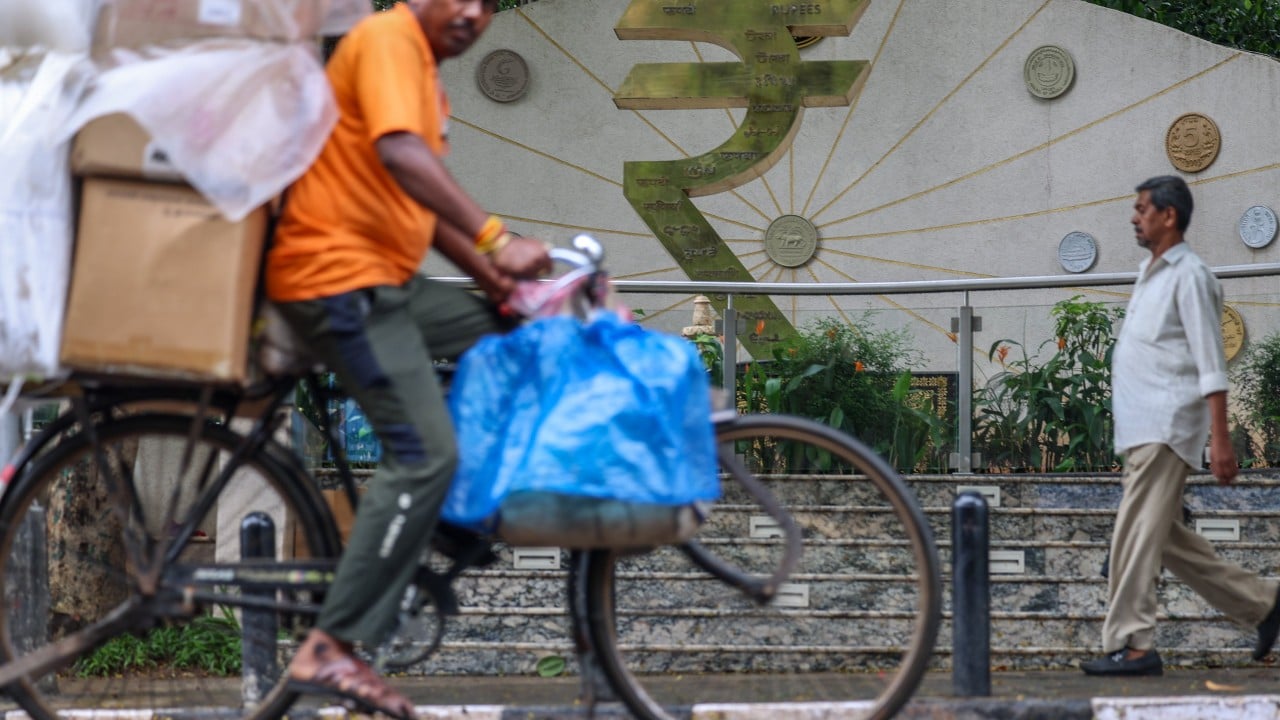
At a roadside tea stall in the suburb of Andheri, Rajesh wipes down a stainless-steel counter with a damp rag. Steam rises from a bubbling vat of spiced milk and ginger. Outside, a delivery scooter idles, its engine vibrating through the pavement. Rajesh does not read the London metal exchanges. He does not track the frantic trading desks in Singapore or the tense diplomatic cables flashing between Washington and Tehran. But when the price of crude oil spikes because tankers are bottlenecked in the Strait of Hormuz, Rajesh feels it instantly. It lives in the rising cost of his cooking gas cylinders, the extra rupees he pays for the milk delivered from Gujarat, and the tightening squeeze in his chest when he calculates his monthly margins.
Across a billion lives, that squeeze is the baseline reality of emerging economies. When geopolitical lightning strikes the Middle East, shockwaves ripple outward, threatening to choke the breath out of industrial engines thousands of miles away.
For decades, the narrative has been painfully predictable. Middle East tension equals oil shock. Oil shock equals inflation, falling currencies, and stalled growth. It is a mathematical certainty whispered by every risk analyst on Wall Street.
Except India just rewrote the math.
While global markets braced for an inflationary spiral following mounting conflict near the Persian Gulf, something strange happened in the world's most populous nation. The economic machinery did not grind to a halt. It accelerated. Growth hovered stubbornly near eight percent, defying the grim prophecies of orthodox macroeconomics.
To understand how an economy built on imported energy absorbs a body blow of this magnitude without dropping to its knees, we have to look past the spreadsheets and examine the plumbing of daily survival and adaptation.
The Anatomy of Vulnerability
India imports roughly eighty percent of the oil it consumes. Think about that dependency for a moment. Four out of every five barrels that power its trucks, tractors, chemical plants, and airline fleets must be shipped across volatile maritime corridors. When the price of Brent crude surges, the country’s current account deficit typically widens like a bleeding wound, dragging down the rupee and forcing the central bank to hike interest rates, effectively tapping the brakes on commerce just to cool prices.
It is a high-stakes vulnerability. Every time a drone targets energy infrastructure in the Gulf, billions of dollars vanish from projected national budgets.
Rajesh remembers the previous shocks. A few years ago, a spike in fuel prices meant he had to cut back on staff, reduce his portion sizes, and watch his customers hesitate before ordering a second cup of chai. The macro numbers translated directly to micro pain.
So when whispers of a broader regional war began circulating through international media outlets, panic was the rational response. Traders expected the usual script: soaring import bills, paralyzed manufacturing hubs in Tamil Nadu and Gujarat, and a sudden, violent braking of the economic engine.
The Pivot in the Dark
Markets hate surprises. But they hate resilience even more, because resilience disrupts models that have worked for forty years.
The first shock absorber was not found in a government vault, but in pragmatic economic agility. When traditional supply chains shuddered, trade routes shifted with quiet, ruthless efficiency. India did not panic-buy at inflated spot rates from traditional Western allies alone. Instead, it leaned heavily into discounted alternative streams, securing vital energy inputs through resilient diplomatic tightropes.
Critics abroad raised eyebrows. Diplomats wrung their hands. But on the ground, the crude kept flowing into massive refineries along the Gujarat coastline, transformed into diesel, and pumped into the tanks of thousands of long-haul trucks hurtling down the Golden Quadrilateral highway network.
Energy security, it turns out, is no longer just about where you buy your oil. It is about how quickly you can adapt your procurement network while keeping domestic inflation locked in a tolerable cage.
While the central bank maintained a hawk-eyed grip on monetary policy, fiscal policymakers directed capital not toward desperate bailouts, but toward infrastructure spending that generates its own internal momentum. Roads, digital public infrastructure, and manufacturing incentives created a domestic buffer. When external costs rose, internal economic activity expanded to absorb the impact.
Consider the digital identity and payment layers stitched into the fabric of the nation over the past decade. A street vendor in Chennai or a textile merchant in Jaipur operates inside a frictionless digital economy where capital moves instantly. This velocity of money acts as a stimulant, countering the drag of external price shocks. People kept spending, producing, and trading because the plumbing of their commerce was no longer clogged by bureaucratic friction or cash shortages.
The Human Margin
Back at the tea stall, Rajesh is pouring tea into a small clay cup with practiced rhythm. A software engineer in a crisp shirt and a delivery rider in a bright yellow jacket stand side by side, both paying via quick-response digital codes that flash green within milliseconds.
They are living embodiments of that eight percent growth figure. They do not care about gross domestic product statistics as abstract concepts. They care about whether their purchasing power holds, whether jobs remain available, and whether the lights stay on.
When external shocks hit, the friction is real. Inflation nibbles at household budgets. Middle-class families substitute premium brands for local alternatives. Small business owners postpone purchasing new machinery. The resilience of a macro-economy is simply the accumulated grit of millions of individuals absorbing small shocks so they do not become catastrophic failures.
The energy shock did not vanish into thin air. It was absorbed, diluted, and managed by a vast, complex ecosystem of private enterprise, state-backed capital expenditure, and a consumer base that simply refused to stop consuming.
History is often written by dramatic turning points—treaties signed, wars declared, stock markets crashing in a single red-inked afternoon. But economic survival is usually much quieter. It happens in the gray spaces between headlines, in the adjustments made by refinery operators, the quiet recalculations of corporate treasurers, and the stubborn optimism of a tea seller keeping his stove lit through the night.
The global oil shock arrived with all its traditional fury. The engine sputtered, hitched, and then pushed forward, burning a different grade of fuel, driven by a deeper momentum.
The highway outside Andheri remains loud with traffic. The delivery scooters keep moving. The steam rises from the vat, carrying the sharp, comforting scent of ginger into the damp midnight air, while somewhere in the distance, the heavy wheels of commerce turn again toward tomorrow.