The headlines rolled in with synchronized self-congratulation. Western media outlets pointed to a neat little statistic: Russia supposedly shipped three hundred and twenty billion dollars worth of oil and gas to Europe since twenty twenty-two, accompanied by the mandatory editorial sigh that the continent was finally weaning itself off the Kremlin's energy pipe.
It is a comforting bedtime story for bureaucrats in Brussels. It is also complete nonsense.
Focusing on the gross sticker price of direct pipeline deliveries misses the entire plumbing of global commodity flows. I have watched commodities traders manipulate paper trails and certificate origins for over a decade. When you shut off the front door, the trade simply moves through the side window, gets a new passport in a friendly jurisdiction, and comes right back into the living room. Europe did not stop buying Russian hydrocarbons. Europe outsourced its guilt to India, Turkey, and a fleet of aging shadow tankers operating in legal gray zones.
The Accounting Trick That Fooled the Press
When people look at trade statistics from customs offices, they suffer from a severe lack of imagination regarding how physical molecules work. Crude oil does not carry a barcode stamped with Vladimir Putin's face.
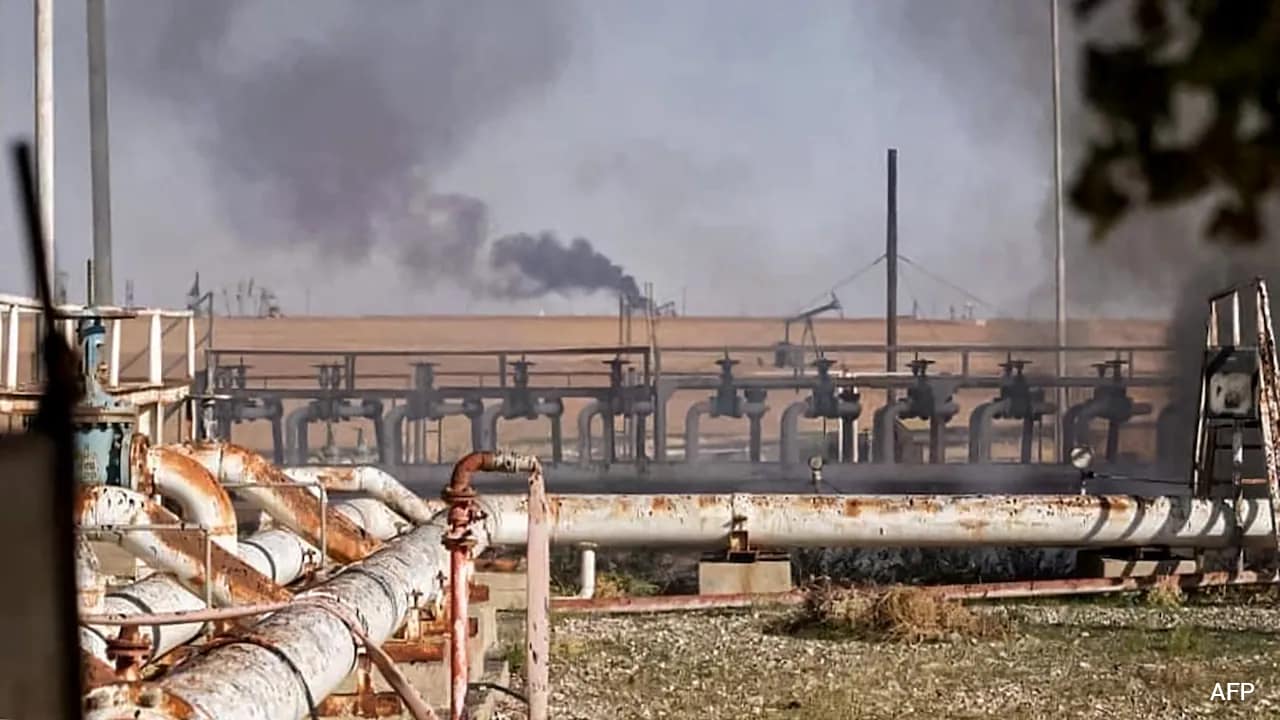
Imagine a scenario where a tanker loads Urals crude at a Russian port in the Baltic Sea. It steams halfway around the world, performs a ship-to-ship transfer in international waters off the coast of Greece, mixes with domestic Middle Eastern grades, and docks at a refinery in Gujarat. Once refined into diesel or jet fuel, its legal origin is wiped clean. It is now Indian diesel.
European buyers then purchase that exact same fuel at a markup, patting themselves on the back for supporting south Asian economies while burning molecules that originated in Western Siberia. The three hundred and twenty billion figure cited in standard reports only counts the crude that crosses borders with a direct Russian customs stamp. It ignores the secondary laundering apparatus that generates billions more in shadow revenue.
The market does not care about your moral purity ring. It cares about price differentials and entropy. As long as Russian crude trades at a discount to Brent benchmark prices, arbitrageurs will find a way to skim the spread. Refiners in western India increased their intake of discounted Russian barrels by more than ten times following the invasion. Coincidentally, their refined product exports to Europe spiked by almost the exact same volume.
Call it what you want, but do not call it independence.
The Liquefied Natural Gas Shell Game
If the oil market found a workaround via ship-to-ship transfers, the liquefied natural gas market did not even bother hiding its tracks.
Brussels loves to talk about banning Russian gas, yet imports of liquefied natural gas from Yamal LNG have quietly hit record highs in several member states. Tankers dock at ports in France, Spain, and Belgium, unloading super-chilled gas that is regasified and pumped straight into European grids.
Why has this been allowed to persist? Because the alternative is economic suicide. Industrial powerhouses in Germany and Italy cannot manufacture chemicals, glass, or steel on wind power alone. When the Nord Stream pipelines were sabotaged, politicians treated it as a tragic accident of history or an act of ecological justice. Inside trading desks, it was recognized as a massive subsidy to American exporters, who swooped in to sell liquefied natural gas at triple the domestic U.S. price.
Europe traded a cheap, reliable pipeline dependency on an authoritarian neighbor for an expensive, volatile shipping dependency on commercial spot markets and American political whims. That is not a strategic victory. That is a hostile corporate takeover disguised as geopolitics.
The Real Cost of Virtue Signaling
Let us talk about the second-order effects of this diplomatic theater, because someone always pays the bill when governments lie to their citizens.
European chemical plants are shuttering or relocating to the American Gulf Coast and the Middle East. Energy-intensive industries cannot absorb sustained power costs that run three to four times higher than their global competitors. When you legislate energy abundance out of existence, you do not create a green utopia. You deindustrialize.
The three hundred and twenty billion dollars in hydrocarbons flowing eastward and westward since twenty twenty-two represents a massive wealth transfer from European taxpayers to middlemen, shipping conglomerates, and Asian refiners who act as tollbooths in this absurd regulatory charade.
The sanctions regime was designed to starve the Russian war chest. Instead, it created the most lucrative arbitrage opportunity of the twenty-first century. Russia found new buyers in China and India, adjusted its logistics network, and maintained export revenues while selling at tighter margins. Meanwhile, European manufacturers absorbed the blow, passing inflation down to consumers who are told that higher grocery and utility bills are a noble sacrifice for democracy.
Stop Asking the Wrong Questions
If you are still asking whether Europe can survive a complete and total energy embargo from Russia, you are falling for the political framing. The question itself is obsolete.
The physical integration of global energy markets means you cannot sever a producer of Russia's scale without rewiring the entire planetary supply chain. Every barrel diverted to Asia frees up a barrel of Middle Eastern or Latin American crude to head toward Europe. The global pool of energy is a zero-sum game of musical chairs. When the music stops, everyone still has a seat, but the price of admission is significantly higher, and the profits are funneled through layers of shady intermediaries who add zero value to society.
The sooner economists and journalists stop reporting customs data at face value, the sooner we can have an honest conversation about the real cost of weaponized trade policy.
Until then, keep paying the markup, and keep pretending the molecules care about your press releases.