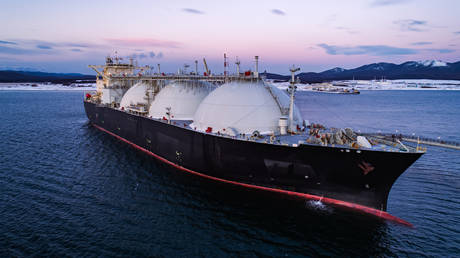
Europe is heading into the cold months with gas reserves sitting at a dismal 63 percent. That is miles below the usual 80 percent average we expect to see by late August. Energy traders are calling it a winter panic for a reason. At this sluggish injection rate, the continent faces its lowest pre-winter buffer in 13 years.
If you think this is just standard seasonal fear-mongering, look closer at the numbers. Benchmark gas prices have already doubled from the start of the year, climbing past €68 per megawatt-hour. Analysts at Goldman Sachs warn that without a sudden revival of liquefied natural gas flows from the Middle East, prices could easily rocket past €100/MWh. Markets are tight. The cushion is gone.
The Gulf Disruption and Broken Supply Chains
Everyone expected summer to be the healing period. Instead, the US-Israel conflict with Iran completely choked off crucial oil and gas export routes from the Persian Gulf. Tankers are scarce. The Strait of Hormuz remains a flashpoint, and key suppliers like Qatar face severe logistical hurdles.
To make matters worse, Europe didn't get a break over the summer months. Relentless heatwaves forced a spike in gas-fired power generation just to keep air conditioners running, burning through fuel that should have gone straight into underground caverns. Add a surprisingly cold tail-end to the previous winter, and you get a recipe for empty storage tanks.
Storage sites are not equally depleted. Countries like Italy and Poland played it smart, pushing their reserves above 80 percent. But Western Europe dropped the ball. Germany, holding the continent's largest storage capacity, sits right at the halfway mark. Facilities in Belgium and the Netherlands hover near 51 percent and 45 percent.
Why the United Kingdom Is Standing on the Edge
If continental Europe is sweating, the United Kingdom is practically freezing. Britain remains one of the heaviest gas consumers in Europe. Yet, it possesses almost zero meaningful domestic storage capacity. Centrica CEO Chris O'Shea didn't mince words about the country having virtually nothing tucked away for the coming frost.
Instead of hoarding fuel locally, the UK relies entirely on a steady stream of pipeline imports from Europe and incoming LNG tankers. But when European neighbors are scrambling to heat their own homes, they won't have surplus gas to spare. British households are already feeling the pinch. The energy regulator Ofgem confirmed a 4 percent hike in the energy price cap starting in October, coming right on the heels of a 13 percent jump back in July.
The Global Bidding War for LNG
Europe can't simply snap its fingers and buy its way out of trouble. To attract scarce LNG tankers away from lucrative Asian markets, European buyers have to outbid them.
Asian economies are hungry for energy, and their spot-market buyers have deep pockets. When European utilities try to secure spot cargoes, they enter a brutal international bidding war. That competition is precisely why prices spike so violently at the slightest weather forecast predicting a drop in temperature.
Greg Molnar, a prominent gas market analyst, points out that low inventories make the entire market hyper-volatile. A single week of stagnant wind power generation or an unexpected cold snap will trigger immediate panic buying.
What This Means for Businesses and Households
Physical blackouts are unlikely. Europe has diversified its import pipelines and built up heavy dependency on Norwegian fields and US shale shipments over the last few years. Norway even locked in a long-term supply agreement with Germany through 2041 to stabilize regional nerves.
The real threat isn't a lack of molecules in the pipe. It is the cost. When wholesale prices cross triple digits, heavy industrial manufacturers take the hardest hit. Chemical plants, steel producers, and fertilizer factories cannot operate profitably under €100/MWh energy costs. Many will simply cut production or halt operations entirely, repeating the industrial slowdowns seen during past energy shocks.
Governments are scrambling to draft emergency support packages, but free-market doctrines in places like Berlin mean leaders are reluctant to subsidize consumption artificially. Households will bear the burden through steeper utility bills heading straight into peak winter.
If you manage an energy-intensive business or track household utility budgets, assume high volatility is here to stay. Lock in fixed tariffs where possible, audit your heating efficiency now, and stop expecting the global market to bail Europe out before the first freeze hits.