The British government loves a cheap, crowd-pleasing headline.
When the Home Office announced plans to let pubs stay open until 5:00 a.m. for England’s World Cup matches in Mexico, the media rolled out the predictable narrative. It was framed as a massive win for football fans and a much-needed shot in the arm for a struggling hospitality industry.
It is neither.
This lazy consensus ignores the brutal operational reality of modern British hospitality. Forcing pubs to stretch their opening hours to the break of dawn does not create new wealth. It merely redistributes existing spend while skyrocketing overhead costs. I have spent years analyzing the balance sheets of hospitality groups, and I can tell you that the math behind a 5:00 a.m. license for a 10:00 p.m. kickoff is a fast track to a loss-making night.
The government is offering a lifeline made of lead.
The Illusion of the World Cup Windfall
The mainstream argument hinges on a simple, flawed premise: longer hours equal more profit.
They assume that if a fan stays in a pub for seven hours instead of three, they will double their consumption. They won’t. Human biology and fixed disposable incomes dictate otherwise.
The Law of Diminishing Drunkenness
Let's break down the actual mechanics of a fan's spending behavior during an international tournament.
- The Front-Loaded Spend: The vast majority of beverage and food revenue is generated in the two hours leading up to kickoff and during the first half.
- The Satiation Plateau: By minute 70 of the match, consumption drops drastically. Fans are either celebrating, commiserating, or simply exhausted.
- The Nursing Phase: Between 1:00 a.m. and 5:00 a.m., a customer does not continue buying pints at the same velocity. They nurse a single drink for an hour to justify staying inside the venue.
When you look at the ledger, you aren't squeezing more money out of the patron. You are just paying to keep the lights on while they sit there.
The Brutal Overhead of the 5:00 a.m. License
While revenues plateau after midnight, operational costs scale exponentially. This is where the "government intervention" narrative completely falls apart.
Security and Regulatory Compliance
You cannot run a pub at 4:00 a.m. during a high-stakes football match with a skeleton crew.
- Security Premiums: Door supervisors registered with the Security Industry Authority (SIA) command massive premiums for late-night shifts, particularly during high-risk sporting events. Rates frequently double after midnight.
- Licensing Conditions: Local councils routinely attach strict conditions to extended licenses. This often includes mandatory ID scanning, increased CCTV monitoring, and extra floor staff to manage crowds.
The Labor Crisis Paradox
British hospitality is already facing a massive staffing crunch. Asking a exhausted, underpaid team to work an grueling shift that ends at dawn requires paying premium overtime rates.
If a venue manager has to pay time-and-a-half to six staff members for an extra four hours, the gross margin on those late-night pints evaporates completely.
A Quick Balance Sheet Reality Check:
Imagine a mid-sized pub generating £500 an hour in gross revenue between 1:00 a.m. and 5:00 a.m. After subtracting the cost of goods sold, premium staff wages, SIA security, increased energy usage, and cleanup costs, the net profit frequently dips into negative numbers.
Dismantling the Fan Experience Myth
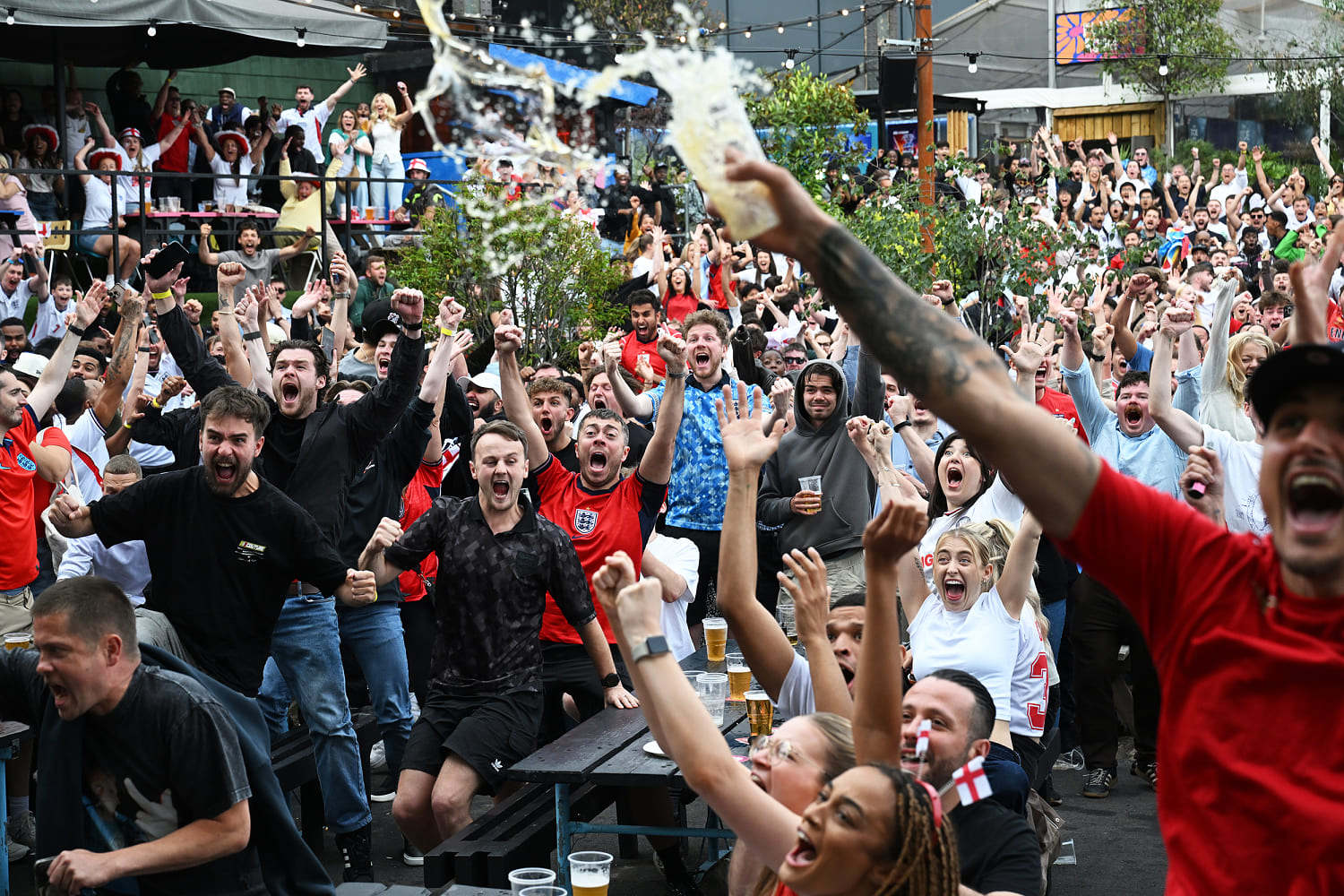
The media paints a picture of a vibrant, carnival atmosphere inside British pubs during these late-night screenings. The reality is far grimmer.
When games take place in distant time zones like Mexico, the body clock wins. By 3:00 a.m., the atmosphere inside most venues changes from energetic celebration to a sluggish, alcohol-fueled slog.
Public transport shuts down. Trains stop running. Taxis implement surge pricing. Fans realize they are trapped at a venue with no affordable way to get home, turning what should have been a celebratory night out into an expensive logistical nightmare.
The industry does not need temporary gimmicks that stretch infrastructure to its breaking point. It needs structural tax reform, a reduction in business rates, and a lower VAT rate on hospitality sales.
Extended hours for overseas tournaments are a political smoke screen. They allow the government to look supportive of the high street without actually fixing the economic policies that are crushing it.
Stop celebrating the 5:00 a.m. license. It is an operational trap masquerading as a gift.
If you run a venue, check your spreadsheets before you change your rota. Sometimes the most profitable move you can make during a midnight match is turning off the taps, locking the doors, and letting your competitors bleed cash in the dark.