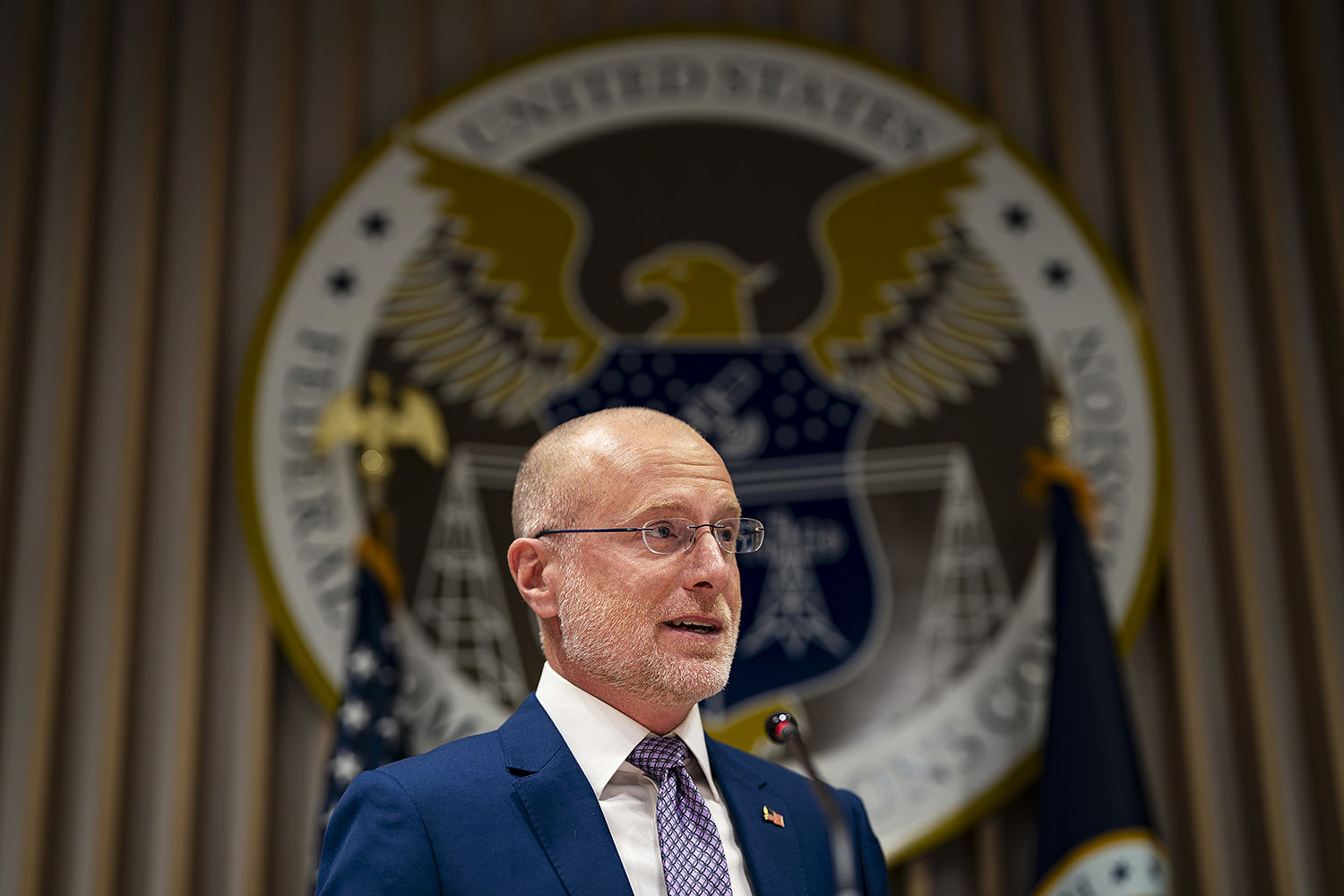
Federal Communications Commission Chairman Brendan Carr recently drew sharp criticism from watchdogs and lawmakers by defending government-funded television advertisements featuring President Donald Trump. During a press briefing, Carr waved off concerns about the spots—which aired heavily during major sporting events like NFL and college football games—describing them as standard public service announcements. According to the agency's head, the broadcasts do not cross regulatory lines or warrant any formal investigation.
Critics see things differently. Opposition groups, ethics watchdogs, and progressive lawmakers argue that utilizing federal funds for these spots amounts to partisan messaging disguised as civic education. Complaints filed by organizations like Public Citizen claim the broadcasts violate anti-propaganda laws and misuse government resources. Despite the uproar, Carr maintained his stance that the administration is simply running regular communications that fail to raise any regulatory red flags.
The Anatomy of the Controversy
The core issue centers on what constitutes a legitimate public service announcement versus political posturing. The ads in question feature prominent imagery of President Trump alongside figures like UFC executive Dana White, who praises the president's resilience. Other segments include sharp rhetoric targeting political opponents and mainstream media outlets, which critics point out bears a striking resemblance to standard campaign material.
When pressed on whether these broadcasts cross ethical or legal boundaries, Carr brushed off the pushback. He argued that outside groups are attempting to weaponize the FCC's license renewal process to score political points. From his perspective, the white house is executing standard-course announcements that regular citizens see all the time. He noted there is nothing unique or improper about the messaging that would invite federal intervention.
Legislative Pushback and Legal Hurdles
Capitol Hill remains sharply divided over the campaign. Democratic lawmakers introduced resolutions aiming to condemn the use of federal money for the spots. Meanwhile, Republican allies like Wyoming Senator Cynthia Lummis stepped in to block those resolutions, preventing immediate congressional censure.
Legal challenges have also started piling up. Watchdog groups and advocacy coalitions argue that the spots violate statutory restrictions against using appropriated federal funds for publicity or propaganda purposes. Even so, because the FCC oversees broadcast licensing rather than general government appropriations directly, Chairman Carr's refusal to initiate an agency review effectively shields the networks airing the spots from immediate federal regulatory penalties.
President Trump addressed the financial scrutiny by suggesting he would personally reimburse the government if official oversight determined the spending broke any rules, while maintaining that the spots are meant to inspire national pride rather than serve partisan goals. Yet, as legal battles continue to play out in federal courts and watchdog groups keep pressing complaints, the debate over where government communication ends and campaign spending begins remains fiercely contested.