Darkness is not merely the absence of light. It has weight. It presses against the eyelids, fills the ears with the dull roar of blood, and slowly convinces the mind that the rest of the world has ceased to exist.
Beneath the soil of Mexico, miles from the warmth of the sun, that darkness became a living thing.
We measure survival in comfort. A missed meal ruins an afternoon; a delayed flight ruins a week. We grumble about the gray chill of a winter morning, forgetting that our entire existence is cushioned by endless layers of safety. But down there, in the flooded labyrinth of an underwater cave system, comfort was stripped away in a single, terrifying heartbeat.
Consider what happens next: the air grows thin, the water rises, and the exit vanishes.
The human body is a fragile engine wrapped in stubborn defiance. When a man falls into the earth, when the limestone jaws snap shut behind him and trap him fifteen days away from tomorrow, something strange happens to the passage of time. Hours stretch like hot rubber. Days bleed into nights that never change their color.
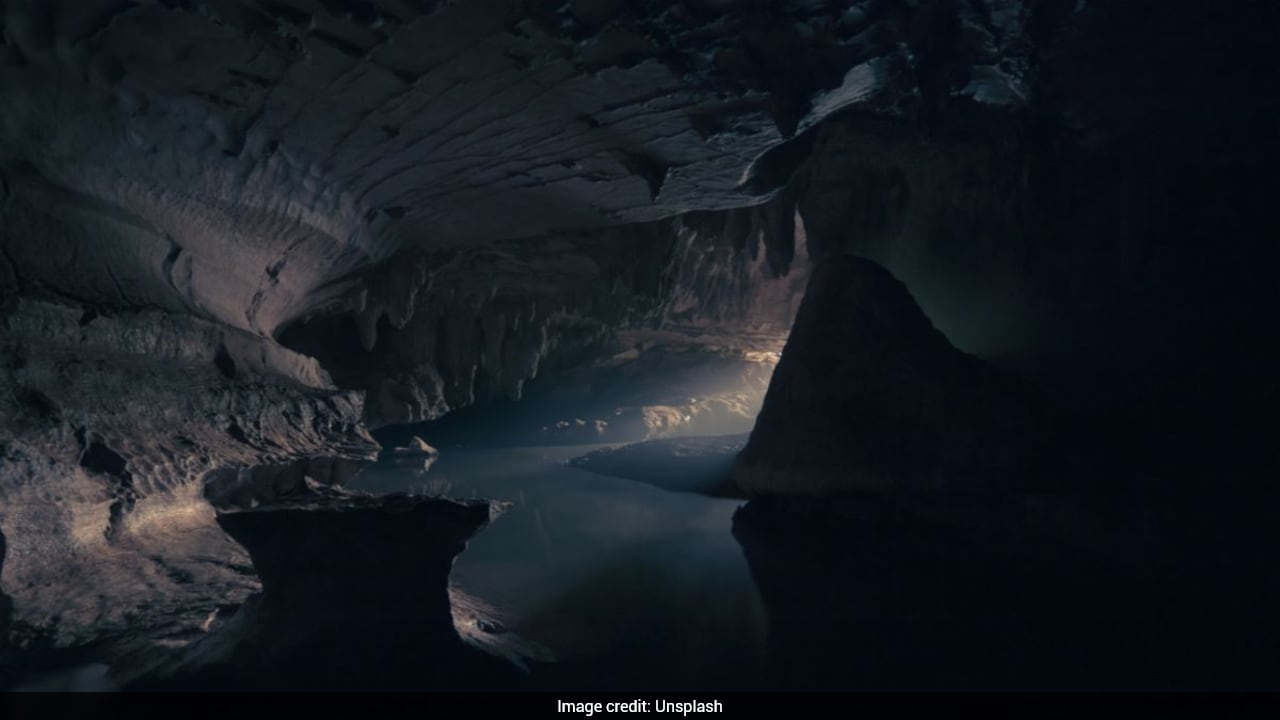
Down in those subterranean vaults, visibility drops to absolute zero. The temperature hovers at a constant, bone-chilling dampness. Every breath tastes of wet stone and metallic silt.
Survival, in environments this hostile, is rarely about grand heroics. It is an exercise in stubborn monotony. It is about rationing the tiny, invisible resource of hope before it evaporates entirely.
To understand what it took to endure fifteen days trapped inside an underwater cave in Mexico, you have to look past the miraculous headlines. You have to look at the psychological abyss.
When the roof collapsed or the currents shifted—details blur when panic takes the wheel—the immediate enemy wasn't starvation. It was the mind. Solitude in a normal room is uncomfortable. Solitude in a lightless tomb, surrounded by tons of unyielding rock and freezing water, is a quiet madness.
Panic whispers in the dark. It tells you to use up your remaining oxygen faster. It tells you to surrender to the water, which would be so much easier, so much warmer in the end.
Yet, against the staggering odds of subterranean entrapment, a man endured.
Fifteen days. Think of what you do in fifteen days. You pay bills, drink coffee, answer emails, watch seasons of television, argue about things that will not matter next year. For him, those two weeks were reduced to a single, relentless objective: keep breathing.
Rescuers moving through those narrow, flooded tunnels face an invisible wall of danger. Diving into a submerged cave is akin to flying a blind aircraft through a hurricane of jagged stone. Every fin kick stirs up silt, turning crystal-clear water into opaque chocolate milk in seconds. One wrong turn, one snagged air hose, and the rescuer becomes another ghost in the deep.
When the dive teams finally breached the chamber and found him, the light of their waterproof headlamps must have felt like a physical blow. The human eye, adapted to the velvet velvet-black of the deep earth, rejects sudden brightness.
He was cold. He was weak. He was diminished.
And yet, he was unbroken.
We crave these stories because we recognize our own fragile condition within them. We live our lives surrounded by invisible cages of our own making, complaining about walls that are entirely imaginary. We forget that underneath our feet lies a vast, indifferent planet that cares nothing for our schedules or our ambitions.
The cave does not hate the man it traps. It simply exists.
And the man who walked back out into the blinding Mexican sunlight did not conquer the earth. He simply refused to let it keep him.
The sun rises tomorrow, indifferent and bright, warming the limestone crust above a quiet, empty darkness that is already waiting for the next secret.