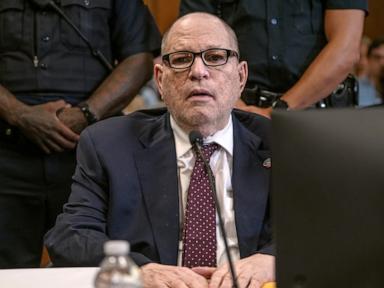
Harvey Weinstein was sentenced to 15 years in prison for a 2006 sexual assault, marking another legal milestone in the slow, grinding collapse of a man who once held absolute dominion over the film industry. Fifteen years. For victims who watched their careers disintegrate decades ago amid whispered warnings and ironclad non-disclosure agreements, the number carries a heavy, complicated weight. It is a legal validation of what was once treated as an open secret, yet it arrives long after the architecture of complicity that protected him for generations had already been thoroughly monetized, leveraged, and defended by an entire ecosystem of enablers.
The courtroom drama in Los Angeles and the subsequent sentencing did not happen in a vacuum. They represent the tail end of an industry-wide reckoning that began with investigative reporting in 2017, exposing a predatory playbook that relied on private investigators, aggressive legal threats, and a culture of institutional silence. Yet, looking past the headlines and the judicial pronouncements reveals a darker truth about how power operates in entertainment. The fifteen-year sentence is less a testament to a healthy, self-correcting legal system than it is a monument to how long a predator can operate in plain sight when the financial incentives of everyone involved are aligned to keep the lights on. Meanwhile, you can read related events here: What the Harvey Weinstein 15 Year Sentence Actually Means for Hollywood.
The Anatomy of Institutional Protection
For decades, the currency of Hollywood was not just box office receipts or critical acclaim, but proximity to power. Weinstein operated at the absolute center of that gravity. The mechanisms that shielded him were not hidden in shadows; they were built directly into standard industry contracts, talent agency protocols, and public relations damage control strategies.
When young actors, assistants, and industry professionals found themselves trapped in hotel rooms or private offices, the immediate threat was never just physical. It was professional annihilation. The industry possessed a terrifying efficiency in blacklisting those who spoke out, framing them as difficult, unstable, or unprofessional. This was the real enforcement mechanism of the studio system. It did not require direct coordination. It relied on a shared understanding that questioning the gatekeepers carried an immediate, career-ending cost. To explore the complete picture, check out the recent analysis by The Guardian.
Lawyers drafted settlement agreements with sweeping confidentiality clauses. Publicists spun counter-narratives that cast accusers as opportunists. Board members and studio executives looked away because the independent films carrying the Miramax and Weinstein Company logos were winning Academy Awards and generating massive prestige. The compromise was collective. The industry traded its moral baseline for cultural dominance, assuming the bill would never come due.
The Illusion of Permanent Reform
When the dam finally broke, corporations rushed to issue statements condemning abuse, establishing compliance hotlines, and adopting new codes of conduct. Diversity and inclusion panels multiplied across the festival circuit. For a brief moment, it felt as though the foundational power structures of cinema were undergoing a permanent structural realignment.
Yet, structural power rarely surrenders its privileges voluntarily. As the initial shockwaves faded, the underlying economic incentives returned to their baseline. The corporate entities that replaced older leadership structures are driven by the same quarterly revenue pressures. While overt predatory behavior faces significantly higher risks today, the subtler forms of workplace gatekeeping, pay disparity, and intimidation have simply adapted to the post-2017 landscape.
Non-disclosure agreements have evolved, often folded into complex arbitration clauses that keep disputes out of public view. Talent agencies still wield outsized influence over greenlight decisions, shielding profitable creators from meaningful scrutiny until a public scandal forces corporate self-preservation. The lesson Hollywood learned from the Weinstein era was not necessarily a moral one; it was a risk-management lesson. The focus shifted from stopping predatory behavior to ensuring that corporate legal departments are insulated from liability when misconduct inevitably surfaces.
The Limits of Retributive Justice
Criminal trials and prison sentences provide a sense of finality that the public craves, but they offer a very specific, limited kind of justice. They individualize systemic failure. By focusing entirely on the pathology of a single monstrous individual, the legal process allows the broader cultural and economic apparatus to wash its hands of complicity.
Weinstein is behind bars, but the system that manufactured his power, fed him victims, and profited off his ruthless distribution machine remains remarkably intact. Studios still prioritize box office viability and brand protection over human safety. Investors still look the other way when a difficult auteur brings in awards contention. The supporting cast of enablers—the agents who arranged the meetings, the executives who facilitated the payouts, the publicists who buried the stories—largely transitioned to new roles, managing prestige projects across streaming platforms and legacy studios without missing a step.
Fifteen years in prison does not restore a derailed career. It does not undo the psychological toll borne by dozens of individuals who had to choose between their livelihoods and their dignity.
The courtroom gavel fell. The press cameras captured the perp walks and the statements on the courthouse steps. But as the lights fade and the news cycle shifts toward the next cinematic blockbuster, the structural incentives that allowed a predator to build an empire out of fear remain entirely unaddressed. The industry did not conquer its demons. It simply learned how to survive them.