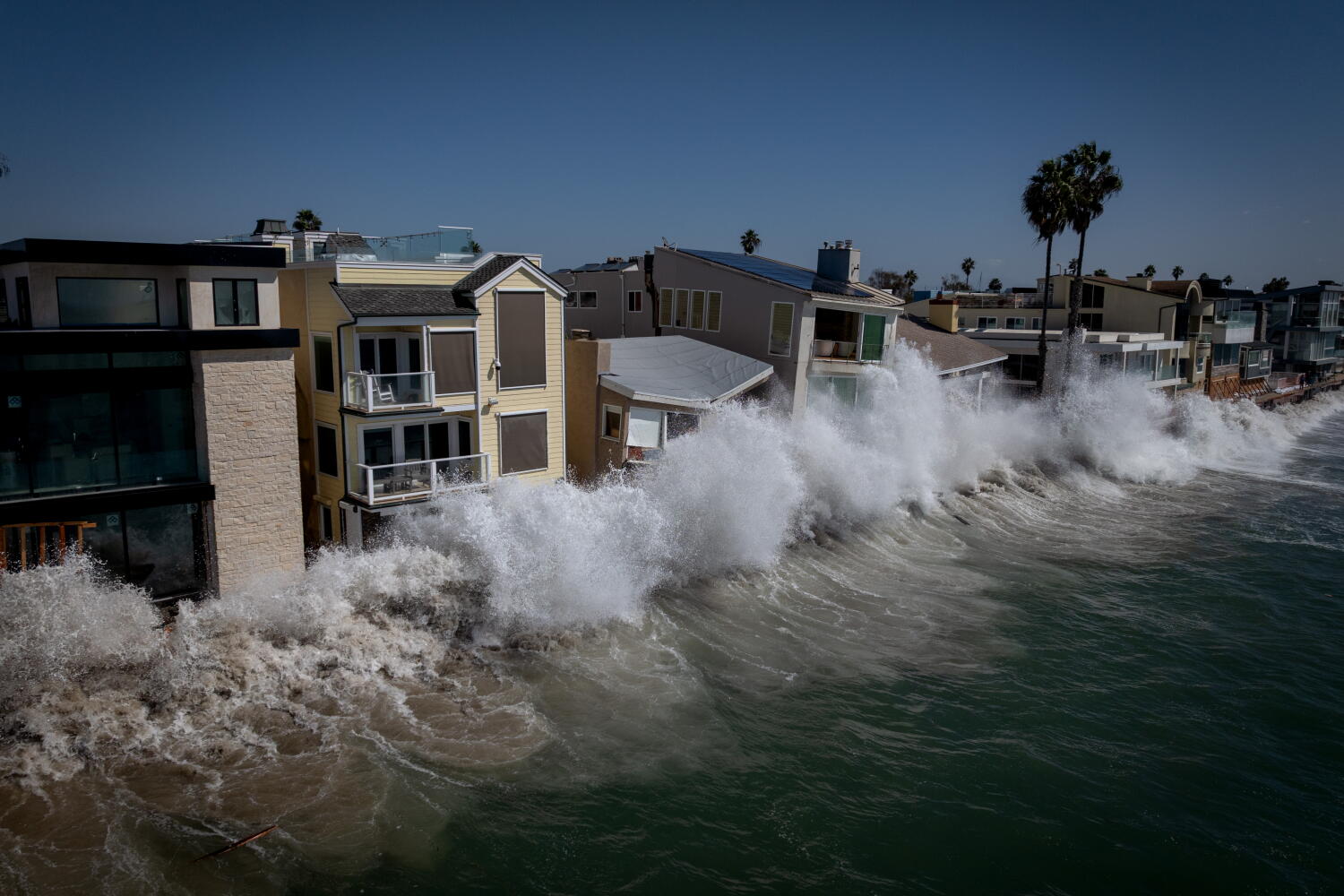
Trying to freeze a shifting shoreline in place is an expensive illusion. Coastal erosion and climate adaptation are not polite debates for a letters page; they are brutal physical and financial realities colliding along every tide line on Earth. Coasts have always moved. Rising sea levels, stronger storm surges, and altered sediment flows are simply accelerating a dynamic process while human development sits squarely in the way. Real adaptation means accepting physical limits, rewriting insurance and zoning rules, and deciding which places are worth defending and which ones must be left to the water.
For decades, the standard reflex when waves eat away at a beach or bluff has been to pour concrete, stack boulders, or pump sand back onto the shore. It feels decisive. A wall looks solid on a Tuesday afternoon when the sun is out and the surf is mild. Yet anyone who has walked a seawall ten years after construction knows the quiet catch: the sand in front of it often disappears, leaving bare stone and deeper water right up against the barrier. For a closer look into similar topics, we suggest: this related article.
The Physics Behind Moving Shores
Coasts are not static borders drawn on a map. They are dynamic transport systems where waves, currents, tides, and wind constantly move sand, gravel, and mud from one spot to another. When a river is dammed upstream or a jetty is built out into the surf, that conveyor belt gets interrupted.
Starve a stretch of beach of its natural sediment supply, and erosion speeds up even without a dramatic storm. Add higher baseline water levels and more frequent high-energy storms, and waves reach higher up the profile than they used to. Instead of spending their energy gradually on a wide, sloping beach, waves slam into steeper slopes, vertical walls, or fragile bluffs. For broader details on this issue, in-depth coverage is available at Al Jazeera.
Consider a hypothetical example along a low-lying barrier island. Suppose a town builds a straight concrete wall along a two-mile stretch to protect oceanfront cottages. At first, the cottages stay dry during routine high tides. Over time, however, wave energy reflects off the hard wall, scouring out the sand at its base and pushing erosion onto neighboring properties where the wall ends. What looked like a local fix quietly shifts risk down the coast.
Why Hard Engineering Often Backfires
Hard structures like seawalls, bulkheads, and revetments have a clear purpose in specific spots. They can shield critical ports, power stations, highways, or dense urban waterfronts where retreat is nearly impossible in the short term. Pretending they are a universal answer for every sandy shoreline is where trouble starts.
A seawall does not stop sea level rise. It only holds a line until water tops it, undercuts it, or flanks it from behind. Maintenance costs rarely shrink once a hard barrier goes in; they tend to grow as wave heights increase and materials age in salt air and pounding surf.
Worse, hard walls erase the natural buffer zones that absorb wave energy for free. Dunes, salt marshes, mangroves, and wide beaches act like shock absorbers. Strip them away behind a vertical barrier, and you trade a flexible, self-repairing system for a rigid one that requires constant human intervention.
Beach nourishment—pumping sand onto eroded shores—is the other crowd favorite. Tourists love a fresh, wide beach, and local businesses rely on it. Yet sand placed out of equilibrium with local currents washes away again. Without addressing sediment deficits or rising water levels, nourishment works like topping off a leaky tire. You keep paying for air because the puncture is still there.
Who Pays When the Water Rises
Follow the money on almost any eroding coast, and you find a mismatch between private gain and public cost. For years, public disaster funds, subsidized flood insurance, and local infrastructure budgets have absorbed losses from building in high-risk zones. When a storm knocks out a road or floods the same neighborhood repeatedly, taxpayers shoulder much of the bill.
Property values on the water often stay stubbornly high right up until a major storm hits or insurance becomes unaffordable. Buyers see ocean views and strong rental demand. They rarely price in decades of maintenance assessments, rising premiums, or the day a municipality decides it can no longer afford to pump a damaged road clear of sand.
Local governments sit in a tight vise. Their tax bases frequently depend on coastal real estate and tourism, giving elected officials strong incentives to protect existing structures and approve new ones. At the same time, those same towns face mounting bills to repair seawalls, clear drainage systems backed up by higher tides, and keep roads passable during king tides.
What True Adaptation Actually Looks Like
Saying we must adapt is easy. Deciding how to adapt without hollowing out communities or pretending nothing is changing is the hard part. Managed retreat, living shorelines, and strict land-use reform are not single silver bullets; they are tools that fit different places and timelines.
Managed retreat gets pushback because people hear "forced buyouts" and picture losing their homes and history overnight. In practice, smart retreat often starts much earlier and more gently. It can mean buying out chronically flooded parcels voluntarily over time, refusing to rebuild destroyed structures in high-hazard zones, or rolling back infrastructure like roads and water mains as shorelines shift.
Living shorelines—using oyster reefs, marsh grass, dunes, and native plants—work best where wave energy is moderate and there is room for habitats to migrate inland. They build resilience, filter water, and support fisheries. Still, they are not magic shields against extreme hurricanes or vertical cliffs, and they need space to breathe. If a marsh is pinned between rising water on one side and a highway or bulkhead on the other, it gets squeezed out.
Zoning and building codes matter just as much as dirt and stone. Requiring elevated foundations, limiting new construction in known erosion corridors, and disclosing flood and erosion risks clearly at the time of sale help align expectations with reality. Honest information lets families and businesses make sober choices instead of walking into preventable traps.
The Hard Choices Ahead
Not every stretch of coast deserves the same response. A dense port city or major desalination plant has a different risk profile than a cluster of second homes on a shifting sand spit. Trying to save everything equally is a fast route to running out of money and saving almost nothing well.
We also have to watch out for false comfort from half-measures. Putting up a small wall or dumping a few loads of sand can buy time, which can be useful if that time is spent planning a real transition. Too often, though, temporary fixes are used as an excuse to delay tough decisions until the next storm forces a panicked, expensive scramble.
Nature does not care about property lines, zoning maps, or political terms. Pick the places worth defending with clear eyes and honest budgets, step back where the shoreline is already winning, and start shifting investment toward what can actually endure.