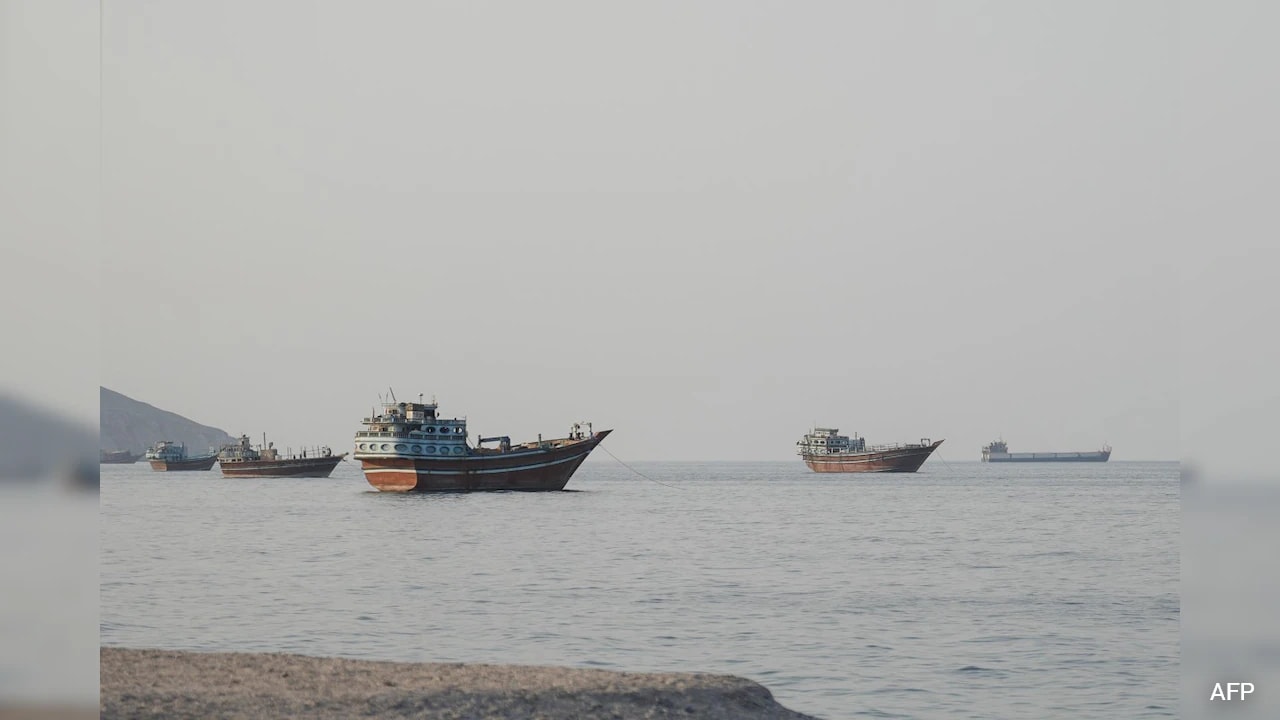
Five Indian seafarers assigned to the Kuwait-flagged oil tanker MT Kazimah III were pulled from the waters off Oman after an unidentified projectile struck the vessel inside the narrow shipping lanes of the Strait of Hormuz. While diplomatic channels in Muscat and New Delhi quickly heralded the operation as a successful extraction, the incident serves as an alarming indicator of a broader, systemic failure to protect civilian commercial crews traversing global trade chokepoints.
The rescue of these crew members is not an isolated triumph of maritime safety. It is a symptom of an escalating war of attrition playing out across critical global supply corridors, where the lives of thousands of contract mariners are treated as acceptable collateral damage.
Anatomy of a Chokepoint Crisis
Every day, a massive share of the world's petroleum and manufactured goods squeezes through the Strait of Hormuz, a twenty-one-mile-wide passage at its narrowest point between Oman and Iran. When the MT Kazimah III was hit while en route toward the port of Lome in Togo, it joined a growing ledger of commercial tonnage caught in the crosshairs of regional hostilities.
Governments often frame these events through the lens of national flag registries or diplomatic communiques. India’s Ministry of External Affairs noted that hundreds of Indian seafarers remain deployed across active commercial hulls in the Persian Gulf region. Yet behind the dry statistics lies a fragile human supply chain. Major shipping lines continue to send crews into active threat zones because global energy markets demand uninterrupted flow, regardless of the physical risks borne by engine room personnel, navigators, and deckhands who hold little stake in geopolitical chess matches.
The Illusion of Secure Corridors
International naval coalitions have historically pledged to maintain freedom of navigation in the region. However, the proliferation of low-cost aerial projectiles and asymmetric naval threats has rendered traditional convoy protection entirely reactive.
When a tanker is struck, the immediate response relies on regional port authorities—in this case, Omani responders who coordinated the swift evacuation of the five Indian nationals to safety. Relying on local coast guards to pick up the pieces after an attack occurs is a reactive band-aid. It highlights a dangerous vacuum in proactive deterrence for merchant shipping. Shipowners face competing pressures: rerouting around the Cape of Good Hope adds weeks of transit time and millions in fuel costs, while running the Hormuz gauntlet risks total hull loss and crew casualties.
The Human Element in the Engine Room
The burden of this maritime insecurity falls disproportionately on nations that supply the bulk of the global seafaring workforce. India, the Philippines, and parts of Eastern Europe provide millions of officers and ratings who man the global merchant marine fleet.
When a vessel takes a hit, the corporate ownership often distances itself behind layers of flag-of-convenience registration, management companies, and shell corporations. The seafarers on the ground—or rather, on the water—face the consequences of regional conflicts without adequate hazard protections, clear refusal-of-service rights, or guaranteed emergency evacuation protocols.
Diplomatic platforms, including high-level UN General Assembly debates, routinely feature strong condemnations of attacks on commercial shipping. Ministers call for immediate restraint and multilateral coalitions to safeguard trade routes. Yet these declarations rarely translate into concrete operational changes that empower a captain to refuse entry into a high-risk missile zone without facing contract termination or financial ruin.
Economic Leverage and Regional Brinkmanship
The security of the Strait of Hormuz is inextricably tied to broader diplomatic standoffs. Regional actors have repeatedly linked the normalization of maritime safety and the full reopening of transit lanes to comprehensive sanctions relief, the release of frozen assets, and alterations in foreign policy stances from Western capitals.
As long as the chokepoint remains a primary bargaining chip in regional power struggles, commercial vessels will function as floating hostages. Insurance premiums for voyages through the Persian Gulf have spiked dramatically, yet the cargo keeps moving because global consumer economies cannot absorb a total shutdown of Middle Eastern energy exports.
The five Indian sailors from the MT Kazimah III are back on solid ground, and their safe return is a testament to effective consular coordination. But as maritime authorities grapple with the persistent threat of aerial and naval projectiles in West Asian waters, the fundamental vulnerability of the global supply chain remains unaddressed. Until shipowners and international bodies prioritize human life over the uninterrupted velocity of global trade, every transit through the narrow waters of Hormuz remains a gamble with stacked odds.


