Firing the top cyber official doesn't fix a broken software update pipeline, and honestly, blaming one person for a wave of cascading outages misses the real engineering rot underneath.
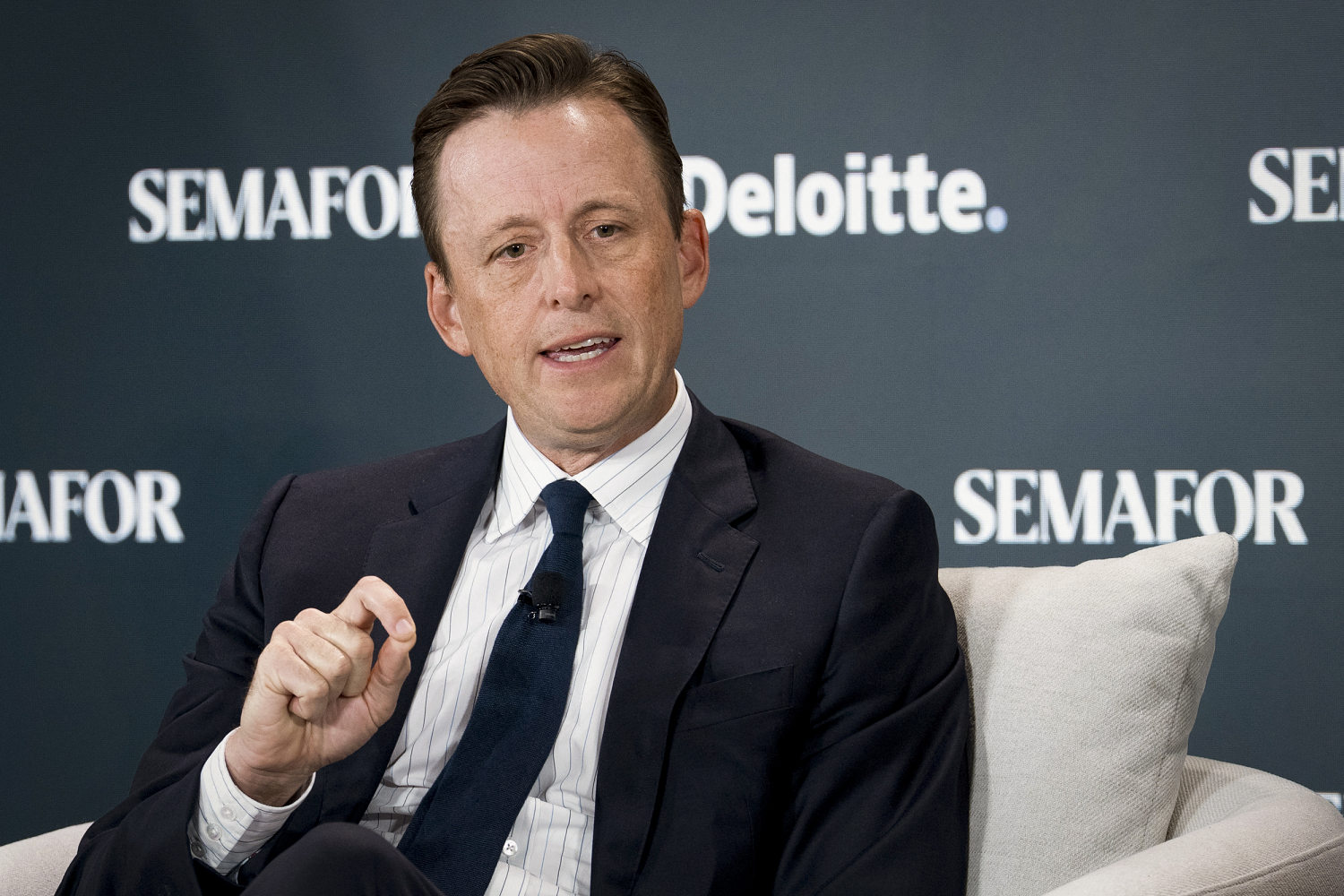
In mid-November 2026, a cluster of major disruptions knocked out aviation systems, banking access, Microsoft networking services, and even internal government communications. Flights ground to a halt across more than 18,000 trips. Major banks saw customer hiccups. Then, on November 19, President Donald Trump removed Sean Cairncross as White House National Cyber Director and tapped Pentagon chief information officer Kirsten Davies to step in as acting director. If you found value in this post, you might want to read: this related article.
If you're watching this from a boardroom, a server closet, or an airport gate, the headline sounds dramatic. Yet firing a policy chief after a bad week of outages treats a symptom like a cause. Look closely at what actually broke in November 2026, and you'll see why a leadership shake-up can't patch fragile code or over-concentrated cloud dependencies.
What Actually Happened During the Outages
Most people hear "widespread tech outages" and assume a coordinated foreign cyberattack. That assumption is understandable, especially when air travel, banks, and national security networks all wobble in the same week. For another look on this story, refer to the latest coverage from Gizmodo.
In reality, senior U.S. officials—including Secretary of State Marco Rubio—stated there was no indication the incidents were connected or driven by a coordinated cyberattack. Instead, separate technical failures piled up within days of each other:
- Air travel: A nationwide FAA ground stop hit on November 13 after software issues disrupted flight planning, weather tools, and crew-facing systems needed for safe departures.
- Microsoft networking: A latent defect in Microsoft's networking gateway servers, combined with network traffic shifts and reduced server capacity, caused major disruptions that resolved around November 14 without evidence of malicious intrusion.
- Banking platforms: Customer-reported disruptions hit major banks—including Bank of America, Wells Fargo, U.S. Bank, Truist, and Capital One—around November 16 and 17.
- Government messaging: The National Security Agency's internal messaging system, NSANet, went down after issues tied to handling PHP vulnerability software updates, with no sign of an outside attack.
Here's the uncomfortable truth: outages don't need hackers when modern infrastructure runs on tightly coupled software and thin operational slack. A single bad update, latent bug, or capacity squeeze can ripple outward fast.
Why the National Cyber Director Got Ousted
Politics and technical reality rarely move at the same speed. When 18,000-plus flights get disrupted and millions of users feel the squeeze, voters and lawmakers demand accountability fast.
Cairncross, who had led the Office of the National Cyber Director since August 2025 after previously serving as a Republican National Committee executive, faced sharp questions over his technical background and how the administration handled the fallout. Reports also noted that the administration brushed off the wave of disruptions early on while overseas before moving to swap in Davies, who brings deep Defense Department information systems experience.
There's also a timing angle worth noting. Reports highlight that a permanent successor will need Senate confirmation once Democrats take control of the chamber in January 2027, making an acting appointment from inside the Pentagon a practical short-term move.
Still, let's be candid about what the National Cyber Director role actually does. The office shapes federal cyber strategy, coordinates policy across agencies, and interfaces with industry—it doesn't push hotfixes to airline dispatch servers or rewrite gateway code inside private cloud providers. Swapping the director changes who sits in strategy meetings. It doesn't automatically cure years of accumulated software complexity.
The Myth of the Single Point of Failure Fix
When a high-profile official gets fired, people love a neat story: bad leader out, competent leader in, problem solved. I've seen enough incident postmortems to know that neat stories usually lie.
Resilience isn't a decree from Washington. It's an engineering property built into staging environments, canary rollouts, fallback procedures, and clear rollback triggers. When teams rush updates or rely on brittle dependencies without real isolation, even well-meaning leaders get blindsided.
Even Director of National Intelligence officials have warned publicly that further IT outages remain likely amid ongoing technology upgrades. That warning sounds blunt, almost fatalistic—until you think about how many legacy systems are being modernized while still serving live traffic every day. Upgrading active infrastructure is like changing a tire while driving down the highway. Most of the time you make it. Occasionally, a bolt shears.
Misconceptions That Trip Up Leaders
During high-visibility outage weeks, three bad assumptions show up over and over:
- Outage equals cyberattack: Security teams waste critical hours chasing phantom intrusions when the root cause is a configuration error, latent bug, or capacity mismatch.
- Bigger budgets guarantee uptime: Throwing money at tools without fixing change management or testing discipline just buys more alerts that nobody trusts.
- Policy fixes code: Federal guidance can push better standards over time, yet private enterprises and agencies still live or die by their own release engineering and failover drills.
What Davies Inherits on Day One
Kirsten Davies steps into a tough spot. Coming from the Pentagon CIO seat, she knows large-scale defense networks and operational constraints well. Having someone with hands-on IT leadership credentials in the mix makes sense for an administration trying to steady the ship.
At the same time, her remit has limits. She isn't running Microsoft's network operations center, managing every commercial bank's core ledgers, or controlling every airline's dispatch stack. What she can influence is how federal agencies coordinate during multi-sector incidents, how software update risks are assessed across government, and how clearly leaders communicate when systems fail.
That communication piece matters more than folks give it credit for. When officials downplay disruptions—or send mixed signals—public trust erodes even faster than the software did. Straight talk about what's broken, what isn't an attack, and what's being done to stabilize operations goes a long way.
Practical Steps You Can Take Right Now
You don't need a White House security clearance to protect your own business or household from the next wave of routine software meltdowns. Outages hit small shops and families just like they hit airlines and banks.
- Separate your critical workflows: Don't put every login, payment method, booking confirmation, and operational file behind a single provider or single-sign-on path. Keep offline or secondary backups for essentials.
- Stagger non-emergency updates: If you manage business systems, avoid rolling major software or OS updates across every machine at once. Test on a small group first so a bad patch doesn't brick your whole team on a Monday morning.
- Build a low-tech fallback plan: Write down phone numbers, alternate communication channels, and manual workarounds before systems go dark. When cloud tools stall, a one-page paper fallback saves hours of panic.
- Verify before reacting to alerts: During major disruptions, scammers love impersonating banks, airlines, and tech support with urgent "security" links. Check official channels directly rather than trusting unexpected messages.
A firing makes headlines for a day or two. Real resilience takes months of unglamorous maintenance—and the discipline to prepare for failure before the screen goes black.