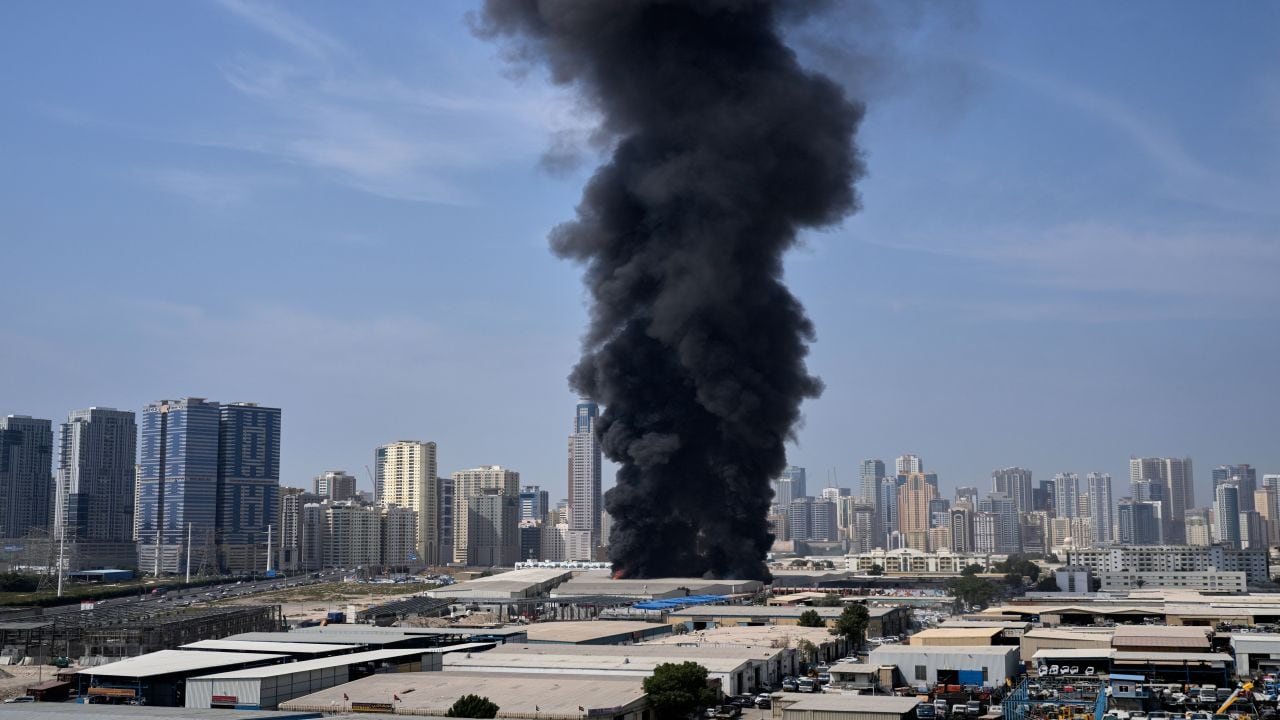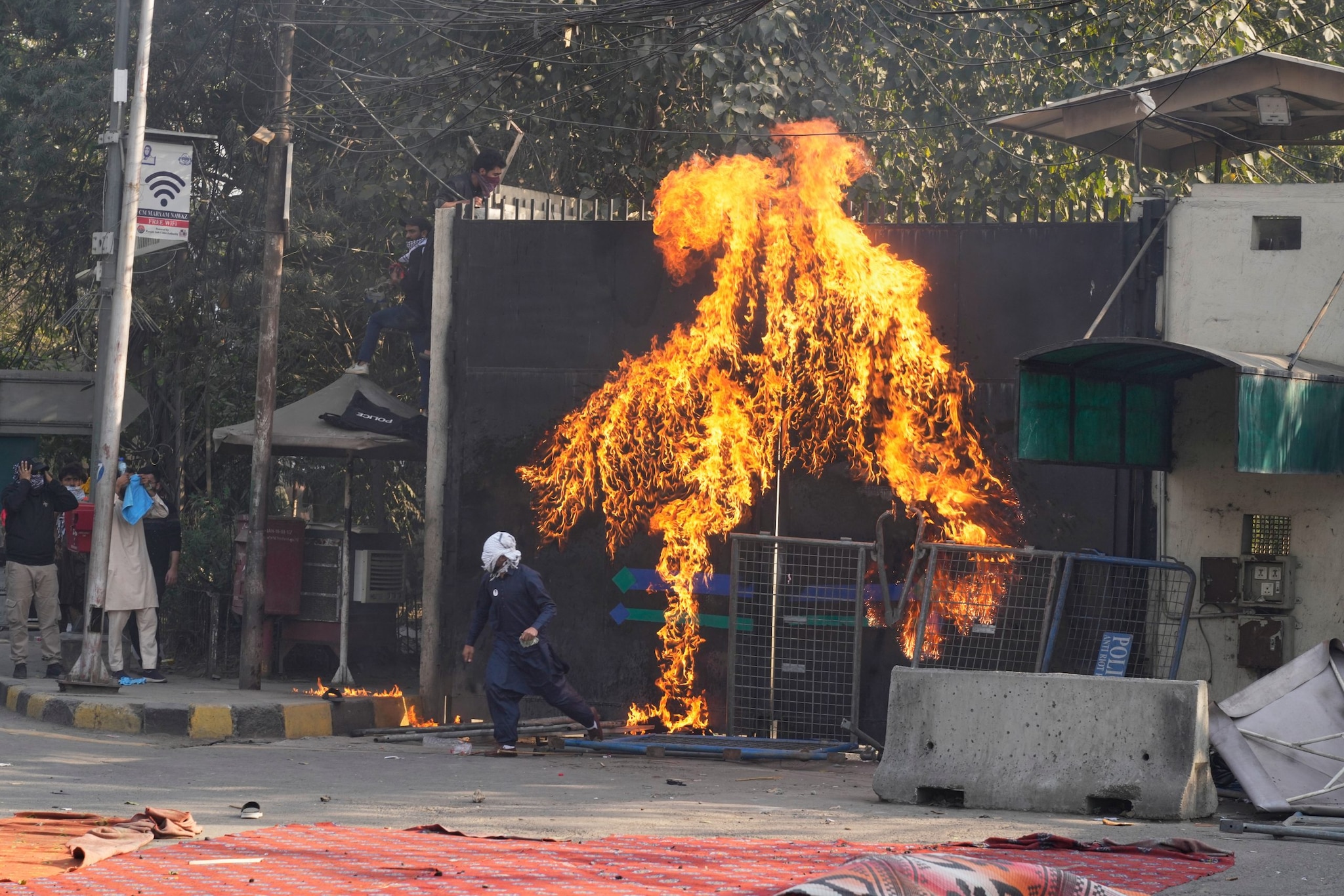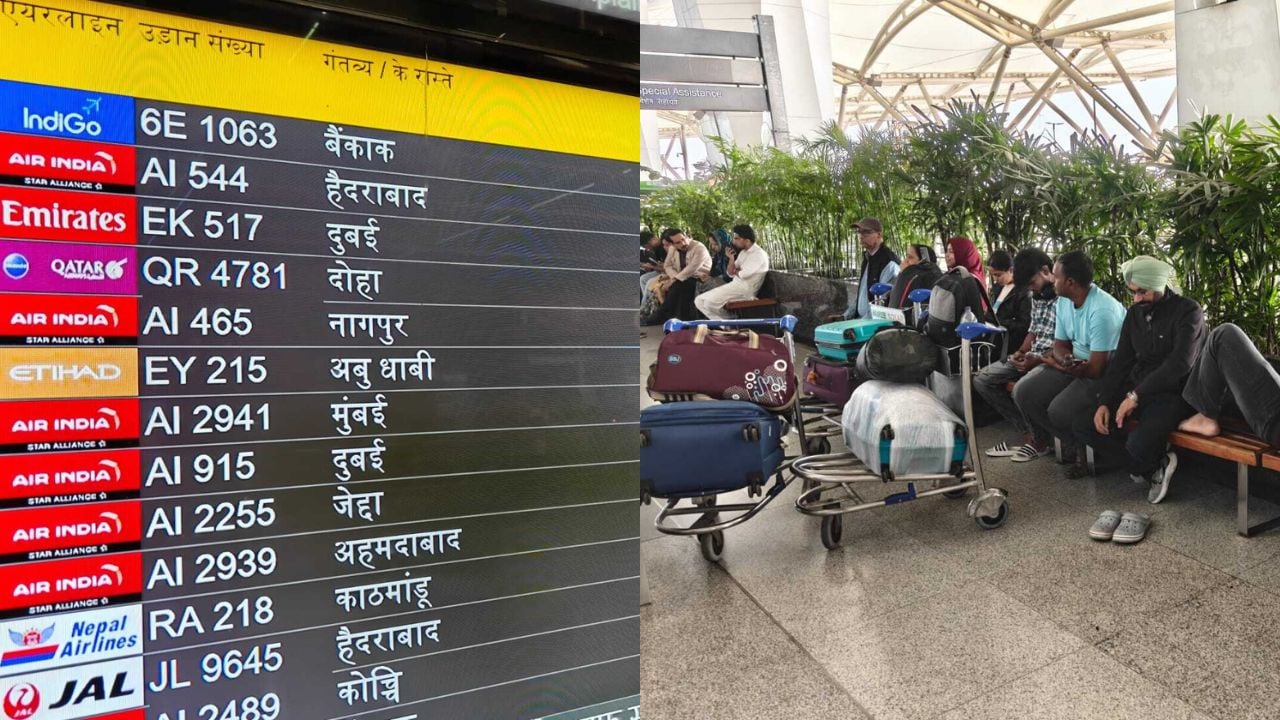
Air travel across the Middle East isn't just delayed; it's currently a ghost town. If you were planning to fly through Dubai, Doha, or Tel Aviv this week, your plans likely just evaporated. Following the massive escalation between Israel and Iran on March 1, 2026, the sky has effectively been partitioned by military NOTAMs (Notices to Air Missions) and emergency closures.
I've watched how these geopolitical spikes ripple through the aviation industry before, but this is different. This isn't just a single country closing its borders. We're looking at a coordinated blackout of some of the world's most critical transit hubs. From the massive terminal at Dubai International to the usually bustling corridors over Iraq, the message from aviation authorities is blunt: Stay away.
The Airspace Blackout Map
Right now, the "No-Fly" list is growing faster than airlines can update their apps. As of March 2, 2026, several nations have completely shuttered their Flight Information Regions (FIRs).
- Iran (OIIX): Total closure. Don't expect this to open before March 3 at the earliest, though extensions are almost certain.
- Israel (LLLL): Total closure for civilian traffic, currently slated to last until at least March 6.
- Iraq and Qatar: Both have issued total closures. This effectively kills the primary "highway" for flights moving between Europe and Southeast Asia.
- United Arab Emirates: Operating under Emergency Security Control of Air Traffic (ESCAT) zones. While not a total permanent shuttering, it has grounded almost everything moving through Dubai and Abu Dhabi.
When these major hubs go dark, the "Super Connector" model—the one Emirates and Qatar Airways built their empires on—breaks. You can't just "reroute" 90,000 daily passengers when the transit points themselves are the conflict zones.
Major Airlines Throwing in the Towel
Airlines aren't just worried about missiles; they're worried about insurance, crew safety, and the nightmare of being stuck in a hostile jurisdiction.
Lufthansa Group has been the most aggressive, pulling all services to Tel Aviv, Tehran, Beirut, and Amman until at least March 7. They’ve also scrubbed Dubai and Abu Dhabi rotations. If you’re flying Air India, the situation is just as grim. The Ministry of Civil Aviation confirmed that 350 flights were cancelled in a single day. That’s the largest disruption for Indian carriers since the 2020 lockdowns.
Emirates and Etihad have suspended operations "until further notice." For a carrier like Emirates, which relies on 24/7 flow through Dubai, this is an operational catastrophe. They aren't just cancelling your flight; they're trying to figure out where to park hundreds of wide-body aircraft that have nowhere to go.
Why Your Flight Was Cancelled Even if You Aren't Flying to Iran
You might be sitting in London wondering why your flight to Singapore was axed. It comes down to "Alternative Routing."
When the skies over Iran and Iraq close, planes have to go way south over Saudi Arabia or way north over the Caucasus. This adds three to five hours of flight time. Most planes don't carry that much extra fuel "just because." If an airline didn't plan for the extra 2,000 miles, the flight simply can't happen.
There's also the "Crew Duty" problem. Pilots and flight attendants have legal limits on how long they can work. If a 12-hour flight suddenly becomes a 17-hour flight because of a detour, the crew "times out." Without a fresh crew waiting at a midpoint—which doesn't exist in a war zone—the airline has to cancel the flight entirely.
Risks Beyond the Missiles
Aviation experts like John Strickland have pointed out that the danger isn't just a direct hit. The "secondary risks" in the Middle East right now are:
- GPS Spoofing: Pilots in the Eastern Mediterranean are reporting "phantom" locations on their instruments.
- False EGPWS Alerts: Ground proximity warnings are going off because of electronic warfare, telling pilots they're about to hit a mountain that isn't there.
- Debris: Interceptor missiles from Iron Dome or Iranian batteries create "falling hardware" risks at altitudes where cruise ships of the sky fly.
What You Should Do in the Next 24 Hours
If you're one of the 60,000+ people currently stranded, don't just wait for an email.
First, check your "Contract of Carriage." Most people ignore this, but it’s your legal shield. Since this is "Force Majeure" (an act of war), airlines aren't usually required to pay for your hotel or meals in the same way they would for a mechanical failure. However, many are offering "Travel Waivers" that let you rebook for free or get a full refund.
Second, look at the "Northern Route." If you absolutely must get from Europe to Asia, look for carriers that fly over Central Asia and China. They are more expensive right now, but they aren't dealing with the same airspace closures.
Third, secure your paperwork. If you get rerouted through a country like Turkey or Oman, you might suddenly need a transit visa you didn't plan for. Use a real-time visa portal to check requirements before you board the diversion flight.
Don't wait at the airport. The lines are miles long and the staff at the counters have no more information than the app does. Go back to your hotel or stay home. Keep your phone charged and watch the NOTAM updates. This isn't a "one-day" event; the regional aviation map has just been rewritten, and it’s going to take weeks for the schedules to stop bleeding.
Check your flight status through the airline's direct "Manage Booking" tool rather than third-party trackers, as those can lag by several hours during active conflict.