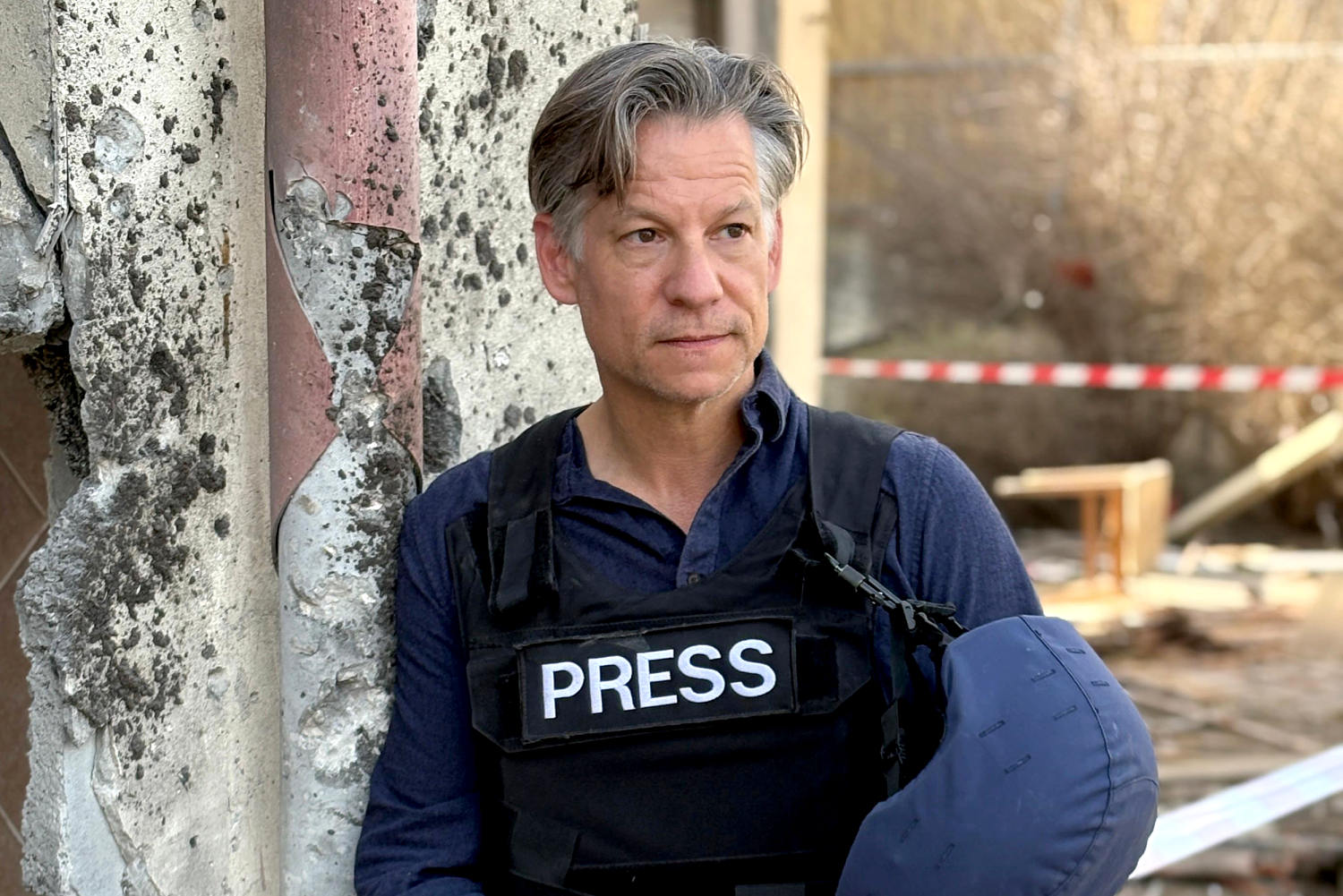
Watching a foreign war through a screen often feels disconnected. It is easy to view front-line maps and casualty reports as numbers on a spreadsheet. Then you watch veteran journalists like Richard Engel report live from hidden bunkers or snowy trenches, and the abstract instantly turns terrifyingly real.
When major networks open the floor for audience questions regarding Richard Engel on Ukraine and ongoing international crises, it reveals a deeper truth. People are tired of sanitized briefings. They want raw, unfiltered context from reporters who actually step into the crossfire. For another perspective, see: this related article.
The Reality of Frontline Journalism
Reporting from active conflict zones requires a specific kind of nerve. Engel has spent decades covering wars in Iraq, Syria, and now Ukraine, tracking how modern military strategies evolve. When he talks about shifting dynamics on the ground, diplomatic stalls in Geneva, or sudden spikes in missile attacks after rejected peace frameworks, he brings years of pattern recognition to the screen.
Most casual news consumers miss the subtle indicators of escalation. They wait for major cities to fall or treaties to sign. Reporters embedded near the frontlines notice the small shifts first. They track logistics, supply chain strains, civilian displacement, and the shifting rhetoric of leaders like Volodymyr Zelenskyy and Vladimir Putin long before it hits mainstream policy debates. Related reporting regarding this has been provided by The New York Times.
Why Direct Q and A Sessions Matter
When news organizations invite viewer inquiries about complex foreign affairs, it changes the dynamic between audience and broadcaster. Standard television broadcasts talk at you. Interactive reporting formats allow people to push past studio talking points.
Common questions usually target the core uncertainties keeping people awake at night:
- How close are we to a diplomatic off-ramp?
- What is daily life actually like for civilians trapped near the shelling?
- How do shifting political winds in Washington affect military aid packages?
- Can international mediation realistically bridge an unbridgeable gap?
Answers to these questions rarely fit into a tidy thirty-second soundbite. Real foreign reporting demands nuance. It forces viewers to confront uncomfortable realities about stalemate, attrition, and the limits of international intervention.
Cutting Through Political Spin
Every side in a major conflict weaponizes information. Governments craft narratives to maintain morale, secure funding, or pressure allies. Veterans of foreign correspondence know how to spot the gap between official press releases and ground-level facts.
When you follow reports coming directly from correspondents working in eastern and southern Europe, you start filtering out the noise. You stop reacting to every single headline claiming a breakthrough or an imminent collapse. Instead, you look at structural endurance, industrial manufacturing capacity for munitions, and troop fatigue.
The value of asking questions to seasoned foreign reporters lies in demanding accountability. Wars do not end because people wish them away. They grind forward until strategic realities force a shift. Pay attention to the reporters who stay on the ground when the cameras turn away, because that is where the actual story lives.