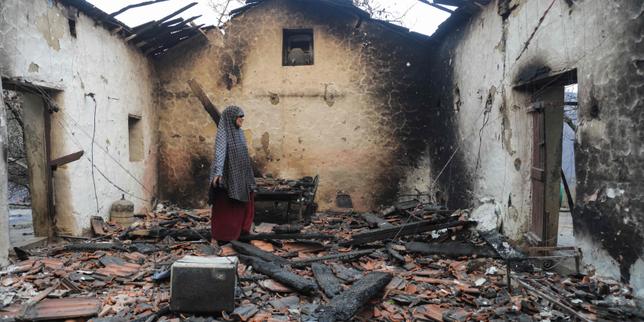
When an entire hillside turns to ash in a matter of hours, people look up for answers. Instead of clear directives during the devastating August 2026 wildfires that battered regions like Jijel and Béjaïa, many residents felt met with a wall of administrative silence. At least twelve lives vanished, homes crumbled into grey dust, and families fled toward the Mediterranean coast just to breathe. Yet, the immediate communication from official channels felt strikingly restrained.
Understanding why this quietness frustrates citizens requires looking past standard political optics. When disaster strikes dry pine forests and rural hamlets, every minute counts. People don't want polished statements days later; they need real-time evacuation routes, water tanker locations, and honest assessments of the danger. For another look, consider: this related article.
The Reality on the Ground Versus Official Briefings
While local civil protection units worked around the clock to contain over a hundred simultaneous fire outbreaks, the high-level response initially lacked the urgent transparency expected during a national crisis. Citizens trapped near Tizi Ouzou, Skikda, and Guelma relied heavily on social media channels, grassroots groups, and peer-to-peer messaging to figure out which roads were safe.
This communication gap breeds distrust. When official organs minimize early reports or delay comprehensive updates, speculation fills the void. Related insight regarding this has been published by Reuters.
- The Information Vacuum: Families had to guess wind directions instead of receiving meteorological warnings.
- Grassroots Takeover: Civil society groups organized food, water, and medical supplies long before formal state relief distribution kicked in.
- The Judicial Pivot: Authorities quickly emphasized the criminal origin of certain fires, turning public focus toward arson investigations rather than immediate crisis management flaws.
Pinning the blame entirely on arsonists—while arson certainly plays a destructive role during dry summer months—diverts attention from structural vulnerabilities. Aging firefighting fleets, poorly cleared brush near vulnerable villages, and inadequate early-detection sensors remain massive hurdles.
What Leadership Must Change Next Time
You cannot fight climate-driven infernos with twenty-year-old playbooks. When temperatures spike and winds howl across North Africa, communication needs to be as fast as the flames.
First, regional governments must establish decentralized crisis cells that speak directly to local populations without waiting for central clearance from capital ministries. Second, digital alert systems must push mandatory evacuation texts straight to mobile phones in threatened perimeters.
Transparency isn't a sign of weakness. It's the only way to build resilience when the landscape itself feels like it's turning against you. Stop hiding behind bureaucratic delay and start treating citizens like partners in survival.