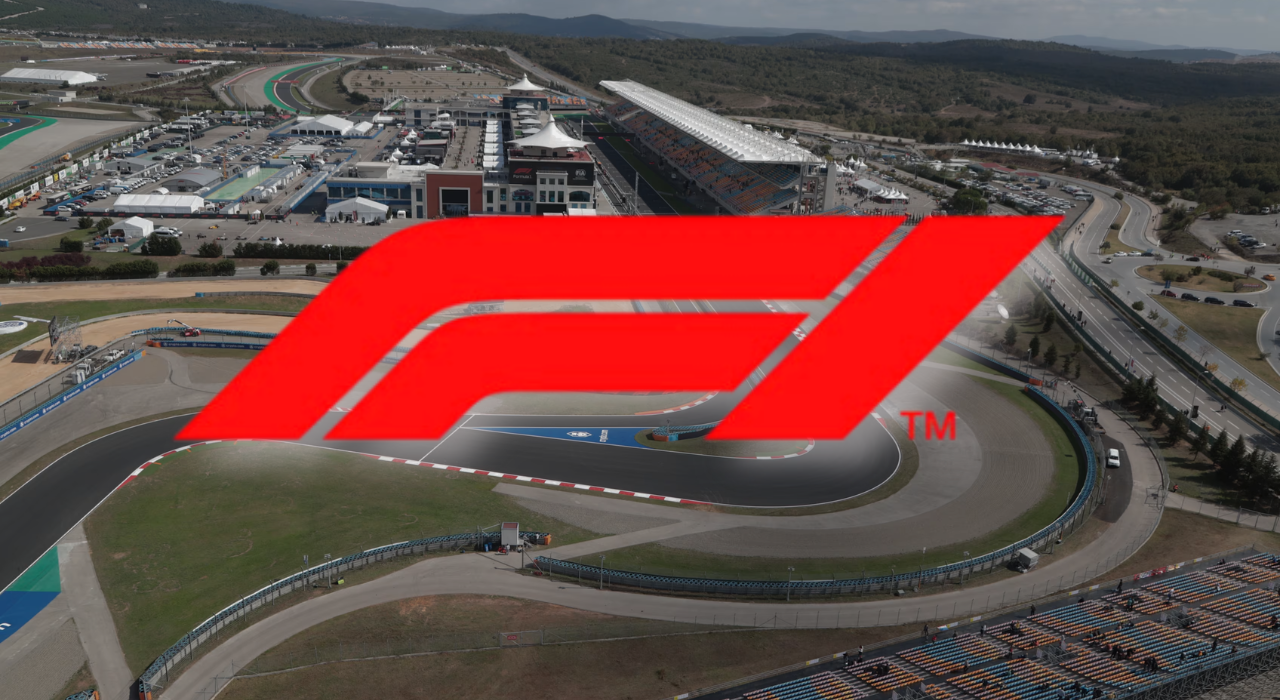
Formula 1 just solved one of its biggest calendar mistakes. After years of speculation and near-misses, the Turkish Grand Prix is officially returning to the schedule in 2027. It's about time. Stefano Domenicali and the powers that be at Liberty Media have finally inked a multi-year deal that brings the Intercity Istanbul Park back into the fold, ending a drought that felt way too long for a track of this caliber.
If you're a newer fan who joined during the Netflix era, you might not get why the "purists" are losing their minds right now. You've probably seen the glitz of Miami or the neon of Las Vegas. Those are spectacles. Istanbul Park is a driver's circuit. It's a brutal, high-speed test of neck muscles and tire management that doesn't need a fake marina to be interesting. Don't forget to check out our previous post on this related article.
The deal isn't just a one-off filler race like we saw during the 2020 and 2021 seasons. This is a long-term commitment. Formula 1 is looking for stability in its markets, and Turkey offers a gateway between Europe and Asia that makes too much commercial sense to ignore. But let's be real—the reason we're all excited is Turn 8.
Why Istanbul Park puts modern tracks to shame
Most modern circuits designed by Hermann Tilke get a bad rap for being "soulless." They have massive runoff areas and 90-degree corners that feel like they were built in a simulator rather than on actual land. Istanbul Park is the exception. It’s arguably Tilke’s masterpiece. If you want more about the context here, The Athletic provides an informative breakdown.
The elevation changes are relentless. You aren't just driving on a flat piece of asphalt; you're climbing and dropping through a landscape that feels alive. Then there's the aforementioned Turn 8. It’s a triple-apex, high-speed left-hander that puts immense G-force loads on the drivers. In the old days of lighter cars, it was a test of bravery. With the current heavy, high-downforce ground-effect cars, it’s going to be an absolute physical assault.
I’ve watched drivers come out of that sequence looking like they’ve gone ten rounds in a boxing ring. If a driver misses the line by an inch at the first apex, the whole sequence is ruined. It punishes mistakes. That's what F1 has been missing lately—consequences.
The logistics of a 2027 comeback
You might wonder why we have to wait until 2027. The answer is boring but necessary: infrastructure and contracts. The circuit hasn't hosted a premier international event in years. While the track surface itself was famously "oily" and slippery during the 2020 return—leading to that chaotic race where Lance Stroll took pole and Lewis Hamilton secured his seventh title—it needs more than just a power wash.
The paddock facilities need a refresh to meet the increasingly high standards of the modern F1 circus. We’re talking about VIP hospitality, media centers, and team garages that can handle the massive freight requirements of 10 teams.
There's also the matter of the current calendar. The schedule is already bursting at the seams with 24 races. To fit Turkey in, someone else has to go or the rotation system has to kick in. Speculation is already mounting that some of the classic European rounds might have to start sharing dates. It's a tough pill to swallow, but if it means getting Istanbul back, most fans will take that trade.
What this means for the championship battle
By 2027, the technical regulations will have had a year to settle in. We’ll be in the second year of the new engine formula. Bringing a high-speed technical track like Istanbul into that mix is a stroke of genius. It’s a "power" track, but you can’t win there with just a fast engine. You need a car that is stable under braking and kind to its front tires.
Think about the current grid. Max Verstappen loves tracks that reward precision. The Ferraris usually fly on high-speed sweeps. By 2027, we might see a completely different pecking order, but the DNA of this track ensures that the best drivers rise to the top. It doesn't allow for "lucky" wins. You earn every second on that tarmac.
The Turkish government and the new operators of the circuit have realized that F1 is the ultimate marketing tool. They aren't just buying a race; they're buying a spot on the global stage. For us, the fans, it means we get one of the best racing laps in the world back on our TV screens.
Stop sleeping on the Turkish fans
The atmosphere in 2020 and 2021 was weird because of the global situation, but the passion for motorsport in Turkey is massive. When the race was a staple in the mid-2000s, the energy was electric. This new multi-year agreement gives the local promoters time to build a real culture around the event again. They aren't just selling tickets to locals; they’re targeting the massive influx of international fans who travel to every race.
Istanbul is a world-class city. It’s easy to get to, the food is incredible, and the history is unmatched. Compared to some of the remote tracks or the "built-from-scratch" street circuits, Istanbul offers a complete package. It’s a destination race that actually offers good racing. What a concept.
The road ahead for the promoters
The work starts now. The new management group at the circuit has a mountain of paperwork and construction ahead of them. They have to prove to the FIA that the track meets Grade 1 standards consistently. They also have to figure out the traffic situation—historically the one big complaint about the venue. Getting in and out of the track used to be a nightmare. If they don't fix the access roads and public transport links, the 2027 return will be marred by logistical headaches.
If you’re planning to go, start looking at the Tuzla district. It’s where the track is located, on the Asian side of the city. Don't make the mistake of staying in the city center and thinking you'll have a quick 20-minute commute. It won't happen.
The return of the Turkish Grand Prix is a win for the sport. It proves that despite the push for "lifestyle" events in the US and the Middle East, F1 still values tracks that challenge the athletes. 2027 can't come soon enough. Get your flights booked early because this will be a sell-out.