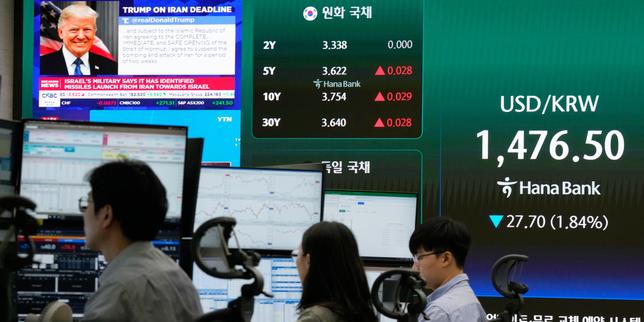
The collective sigh of relief echoing across trading floors from London to Tokyo followed a predictable pattern as rumors of an Iranian ceasefire solidified into policy. Oil prices retreated from their jagged peaks, and equity futures reclaimed lost ground. But for those who have spent decades tracking the intersection of crude and conflict, the immediate market surge feels less like a recovery and more like a desperate attempt to ignore structural instability. The ceasefire has calmed the volatility index, yet it does little to address the underlying erosion of regional security or the long-term shift in energy logistics that the latest flare-up accelerated.
Investors are currently pricing in a return to a status quo that no longer exists. The assumption that a cessation of hostilities restores the old order ignores how deeply the recent tensions have rewritten the risk assessment for global supply chains. When we look past the green numbers on the screen, we see a global energy infrastructure that has been forced to hedge against a future where the Strait of Hormuz is no longer a guaranteed passage.
The Crude Reality of Market Complacency
The primary driver of the recent rally is the perception that the "war premium" on oil has evaporated. Brent crude dropped significantly within hours of the announcement, reflecting a belief that supply disruptions are off the table. However, this reaction is largely superficial. High-end journalism requires us to look at the storage tanks and the shipping lanes, not just the ticker.
What the market calls "relief" is actually a temporary suspension of disbelief. While tankers are moving again without the immediate threat of missile strikes, the insurance premiums for these vessels remain historically high. Lloyd's of London underwriters do not lower rates based on a handshake and a press release; they wait for months of sustained stability. This hidden cost continues to bake inflation into the global economy, even if the headline price of a barrel looks more attractive than it did last week.
Furthermore, the ceasefire does not resolve the internal economic pressures within Iran. The country is navigating a maze of sanctions and internal dissent that influences its energy policy far more than a military truce. If the domestic economy continues to struggle, the incentive to use energy exports as a geopolitical lever remains on the table. Traders buying the dip are betting on a political stability that the region's history rarely provides.
Why the Tech Sector is Watching More Than Just Fuel Prices
While energy dominates the headlines, the technology and manufacturing sectors are tracking a different set of metrics. The recent escalation served as a stress test for the burgeoning tech hubs in the Middle East, particularly those involved in semiconductor research and cybersecurity. A ceasefire provides a reprieve, but the psychological impact on foreign investment is harder to reverse.
The Migration of Intellectual Capital
During the height of the tension, we saw a quiet but significant shift in where global firms were placing their regional headquarters. The "relief" felt today doesn't mean those firms are moving back. Reliability is the currency of the tech world. A ceasefire is a pause, not a promise.
We are seeing a diversification of risk that will likely lead to a cooling of the venture capital frenzy that once defined the region's tech aspirations. Investors are now asking for higher returns to compensate for the "geopolitical tax" that comes with operating in high-friction zones. This isn't just about whether bombs are falling; it's about whether the internet stays on, whether the banking rails remain connected to the West, and whether talent feels safe signing a three-year contract.
Supply Chain Resiliency and the Ghost of Logistics
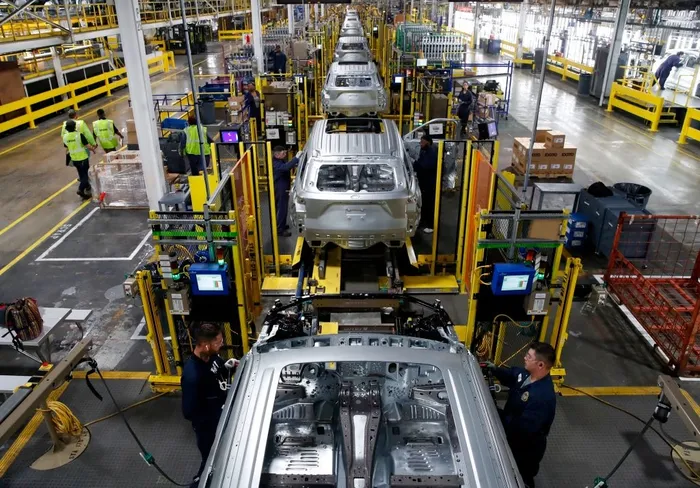
The logistics of getting hardware into and out of the region have changed. Air freight routes were redrawn, and shipping lanes were redirected. These changes carry a permanent cost. Even with the guns silent, many companies have decided to maintain their more expensive, safer routes. This creates a permanent floor under shipping costs that the general market "relief" fails to account for.
The fragility of the global supply chain was exposed during the conflict, and a ceasefire doesn't fix the cracks. It merely hides them behind a temporary layer of optimism. The shift toward "near-shoring" and "friend-shoring" is accelerating, driven by the realization that being reliant on any single volatile region is a liability that shareholders will no longer tolerate.
The Central Bank Dilemma
Central banks are in a precarious position. The drop in oil prices provides a much-needed cooling effect on headline inflation, giving the Federal Reserve and the European Central Bank room to breathe. However, if they interpret this ceasefire as a permanent fix, they risk being caught off guard by the next inevitable spike.
There is a historical precedent for this. During the late 20th century, multiple ceasefires in the region led to aggressive interest rate cuts that ultimately fueled asset bubbles. When the next round of conflict eventually arrived, central banks were left with no ammunition. The current data suggests that while energy prices are down, core inflation—driven by wages and services—remains stubborn. The ceasefire might actually embolden consumer spending in a way that forces central banks to keep rates higher for longer than the market expects.
The Illusion of the Safe Haven
Gold and the US Dollar typically serve as the "canary in the coal mine." Both saw a dip in value following the ceasefire news as investors moved back into "risk-on" assets like stocks and crypto. But the dip was shallower than expected. This suggests that "smart money" is keeping one foot out the door.
Institutional investors are not liquidating their hedges. Instead, they are rotating into sectors that are less sensitive to regional swings but still offer protection against systemic shocks. This cautious behavior is the real story. If the ceasefire were truly the "general relief" the headlines claim, we would see a total exodus from safe-haven assets. We aren't.
The Geopolitical Chessboard and the Energy Transition
One overlooked factor in this ceasefire is how it affects the global transition to renewable energy. When oil prices are high and supply is threatened, the political will to invest in green infrastructure skyrockets. A ceasefire and the subsequent drop in oil prices can paradoxically slow down the transition.
Cheap oil removes the immediate financial pain that drives structural change. If the world feels "relieved" by a return to $70-a-barrel oil, the urgency to build out solar, wind, and nuclear capacity diminishes. This creates a cycle of dependency. We rely on the region because it’s cheap, and it stays cheap because we ignore the long-term risk during periods of peace. It is a dangerous feedback loop that leaves the global economy vulnerable to the next geopolitical shock.
The real investigative question is who benefits from this cycle? Traditional energy giants and nations that rely heavily on oil exports find a "soft landing" in these ceasefires. They can maintain their market share without the threat of immediate military intervention, all while the world's transition to cleaner energy hits another speed bump.
The Strategic Petroleum Reserve Factor
The United States and other major economies have been tapping into their strategic reserves to stabilize prices over the last year. A ceasefire offers a window to refill these reserves, but it’s a narrow one. If the market stays too optimistic, the price won't drop enough for a meaningful refill without triggering another price spike.
We are looking at a situation where global reserves are at multi-decade lows. The ceasefire gives us the appearance of safety, but our actual buffer against a future supply shock is thinner than it has ever been. This is a structural weakness that no amount of market "relief" can paper over.
The Long Road to Genuine Stability
The mistake most analysts make is treating a ceasefire as a destination. It is a tool of diplomacy, often used when both sides need to re-arm, reorganize, or address internal pressures. To understand the future of the markets, we have to look at the regional power dynamics.
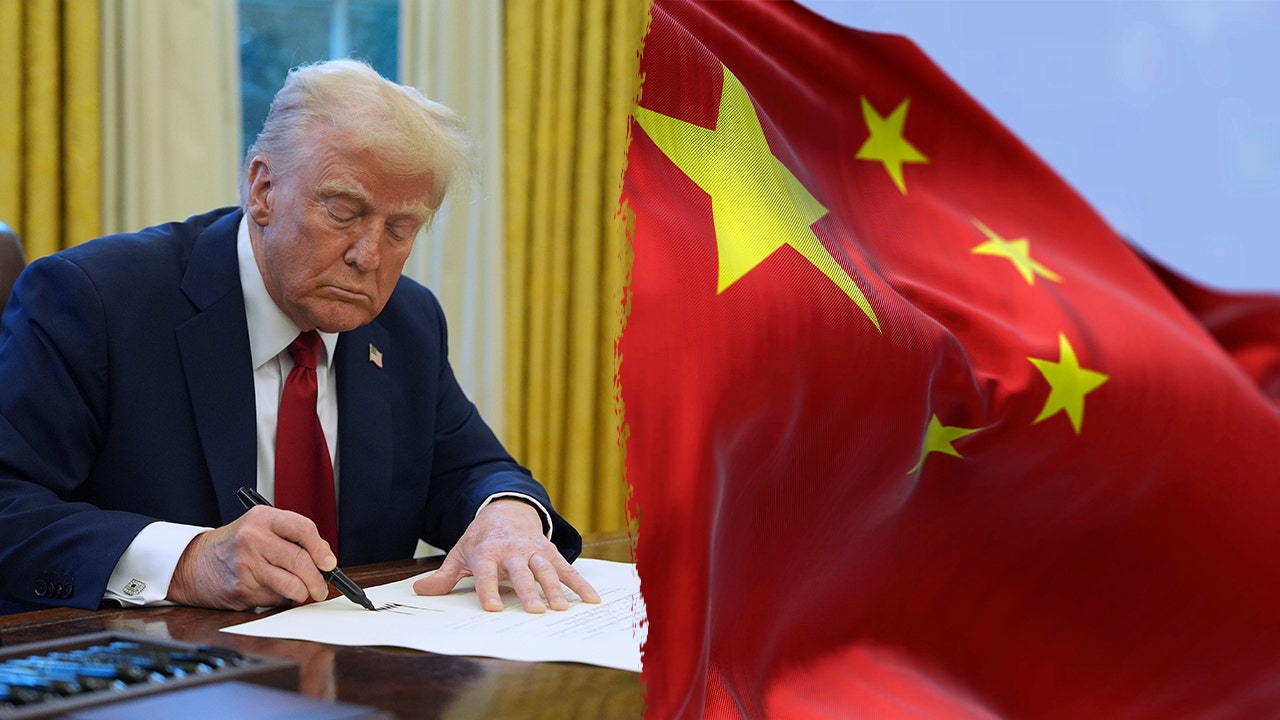
The influence of external players like China and Russia in the negotiation process cannot be ignored. China, as a major importer of Iranian oil, has a vested interest in a quiet Persian Gulf. Their role in brokering or supporting this truce indicates a shift in who calls the shots in the Middle East. If the "relief" on the markets is built on a foundation of Chinese diplomatic influence, it introduces a new set of risks for Western investors who are used to a different geopolitical order.
The Cyber Frontier
While the physical fighting has stopped, the cyber warfare continues. This is the "hidden war" that never sees a ceasefire. Financial institutions, energy grids, and government agencies remain under constant threat. In many ways, a physical truce allows state actors to redirect their resources into more sophisticated, less visible forms of aggression.
For the savvy investor, the focus shouldn't be on the price of Brent crude tomorrow morning. It should be on the strength of the cybersecurity firms protecting the infrastructure that allows that crude to be traded. The real battlefield has shifted from the desert to the server room, and there are no white flags in cyberspace.
The Actionable Reality for Global Business
Companies operating in this environment need to move beyond simple risk mitigation. The "relief" in the markets is an opportunity to execute the moves that were too risky a month ago.
- Audit the Supply Chain: Use this window to identify any single points of failure in the Middle East. If a company's production or logistics rely on a specific port or data center in a high-risk zone, now is the time to build a redundancy.
- Hedge with Conviction: The drop in energy prices is a gift for corporate treasurers. Locking in lower fuel and energy costs now through long-term contracts can provide a competitive advantage when the next cycle of volatility begins.
- Re-evaluate Regional Footprints: Instead of pulling out entirely or doubling down, the smartest firms are moving toward a "hub and spoke" model, keeping essential operations in more stable zones while maintaining a light, agile presence in volatile markets.
The ceasefire in Iran is a welcome development for global stability, but the "general relief" portrayed in the financial press is a surface-level narrative. Beneath the headlines, the world is still navigating a period of profound transition and persistent risk. The markets are currently celebrating the absence of war, rather than the presence of peace. There is a massive difference between the two, and the cost of confusing them is usually paid in the next market crash. Focus on the structural changes, the depleted reserves, and the shifting diplomatic alliances. Those are the factors that will dictate the global economy long after the current ceasefire expires. Don't mistake a tactical pause for a strategic resolution.