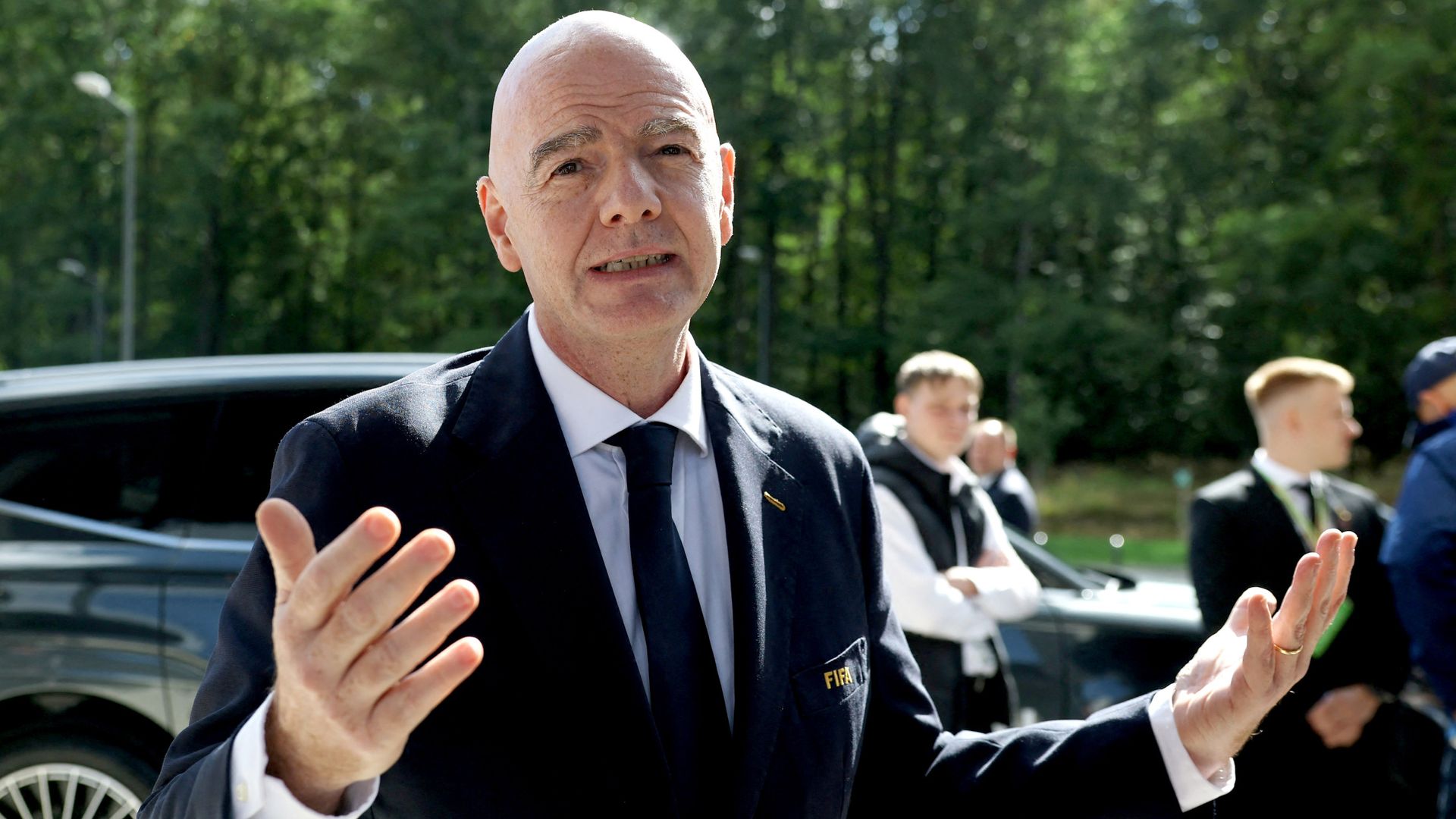
For years, fighting the top seat at world football's governing body felt like shouting into a void. Incumbents held all the cards, distributed the cash, and cruised to victory without breaking a sweat. But the upcoming March election cycle looks entirely different. Philippe Diallo, head of the French Football Federation, has stepped up with backing from European powerhouses to challenge Gianni Infantino.
If you think this is just another symbolic protest, you haven't been paying attention to how fragile modern sports politics really is. Let's break down why this specific challenge carries genuine weight and what it means for the future of the sport.
Why Europe Backed Philippe Diallo Now
European associations didn't pick Diallo out of a hat. The friction point wasn't just standard political rivalry; it stemmed directly from heavy backlash over secretive proposals to sell massive stakes in the World Cup to private equity. When those plans leaked, it fractured the fragile truce holding the organization together.
UEFA threw its weight behind Diallo to present a united front. They want a shift away from centralized control. Diallo brings a quiet, administrative approach compared to the high-visibility showmanship voters are used to seeing. He isn't trying to out-headline the incumbent. Instead, he's banking on institutional exhaustion among federations tired of sudden, unilateral policy pivots.
The Global Numbers Game
Elections aren't won in European boardrooms alone. To actually unseat a sitting boss, a challenger needs a broad coalition across multiple continents. Infantino spent years building strong ties across African, Asian, and South American federations by heavily boosting development grants and expanding tournament slots.
When Diallo recently traveled to pitch his platform, he ran into the reality of those financial ties. Many regional leaders point to concrete funding increases over the past decade as proof of loyalty. Infantino's camp argues that stability and rising payouts speak louder than European governance complaints.
Yet, secret ballots change behavior. When delegates step into a private voting booth, public loyalties sometimes vanish. That unpredictability keeps campaign managers awake at night.
What Lies Ahead for Global Soccer Governance
No sitting head of the organization has lost an election in decades, making any upset a massive long shot. Even so, the mere existence of a credible, backed opponent changes how power is exercised. It forces accountability. It drags secret financial plans out into the open daylight.
Keep an eye on how smaller federations cast their ballots when March arrives. The outcome will decide whether world football doubles down on its current trajectory or pivots toward a collaborative European-backed model. Watch the vote tallies closely because the shockwaves will reshape international sports administration for years.