The concept of a national average temperature is fundamentally broken. When global climate indexes state that Russia averages -2.50°C and Canada sits at -2.14°C, they present a mathematical abstraction that fails to capture the brutal reality of human survival on the geographic fringe. A citizen of Vancouver experiencing a mild autumn afternoon has nothing in common with a worker in Oymyakon scraping frost from an oil rig at -50°C, yet their realities are compressed into a single, sterile number.
To truly understand the coldest nations on Earth, one must look past the homogenized data and examine the severe mechanics of extreme geography. The global hierarchy of cold is dictated not just by latitude, but by the crushing lack of maritime buffers, massive altitudinal extremes, and the geopolitical choices made by nations forced to inhabit the frost.
The Tyranny of the Continental Interior
True, bone-chilling cold requires vast amounts of land. This is why Russia and Canada consistently dominate the apex of sub-zero rankings.
Ocean water retains heat, acting as a global radiator that softens the edges of winter. When you remove that moisture, you get the continental effect: a climate of radical, unmoderated extremes. In the heart of Siberia or the Canadian Northwest Territories, the ground freezes deep into the bedrock, creating millions of square miles of permafrost.
[Oceanic Buffering: Moderate Winters] vs. [Continental Interiors: Extreme Cold]
Consider the stark contrast between two regions at similar latitudes. The United Kingdom and parts of Labrador, Canada, sit parallel on the globe. While London rarely sees sustained sub-zero weeks due to the warming influence of the Gulf Stream, Labrador is choked by ice for a significant portion of the year.
The ranking of the world's coldest nations by annual average temperature reveals this geographical divide clearly:
| Country | Average Annual Temperature (°C) | Primary Climatic Driver |
|---|---|---|
| Russia | -2.50 | Extreme continentality and Arctic exposure |
| Canada | -2.14 | Subarctic landmass and polar high-pressure systems |
| Tajikistan | 1.10 | High-altitude alpine terrain (Pamir Mountains) |
| Kyrgyzstan | 1.54 | High-altitude alpine terrain (Tian Shan Mountains) |
| Iceland | 1.98 | Subarctic marine environment with glacial coverage |
| Mongolia | 2.36 | Landlocked plateau with intense Siberian high-pressure systems |
The Vertical Winter of Central Asia
The presence of Tajikistan and Kyrgyzstan near the top of the global cold list catches most casual observers off guard. These are not Arctic nations. They sit at roughly the same latitude as the Mediterranean, yet their average temperatures rival the Siberian fringe.
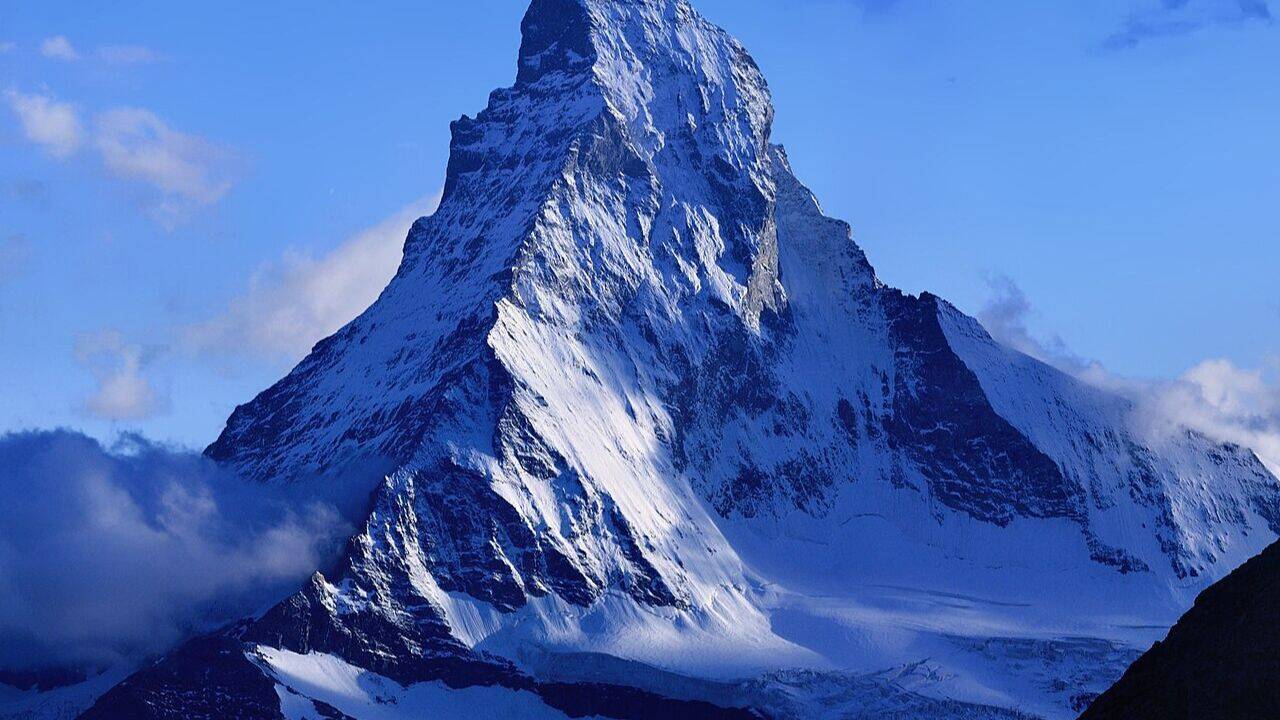
The explanation lies entirely in elevation. For every 1,000 meters you ascend, the temperature drops by roughly 6.5°C. Tajikistan is defined by the Pamir highway and towering peaks that cut into the upper atmosphere, with over 90 percent of its territory classified as mountainous. Kyrgyzstan is similarly dominated by the Tian Shan range.
These are vertical deserts of ice. Unlike Russia or Canada, where the cold is a sprawling blanket across flat tundra, Central Asian cold is a sharp, jagged wall. The valleys may bake in brief summer heatwaves, but the colossal, permanent ice fields above pull the national average down to a permanent chill.
The Landlocked Trap
Mongolia presents a different variation of the continental trap. It is the most landlocked nation on earth, isolated from the mitigating effects of any ocean by thousands of miles of earth and stone.
Ulaanbaatar holds the undisputed title of the coldest national capital on the planet. Winters here are not just cold; they are heavy. A permanent, dense block of cold air known as the Siberian High settles over the Mongolian plateau for months at a time. The air cannot move, the sun cannot penetrate the smog and ice fog, and the temperature plummets to -40°C and remains there, unmoving, until spring.
The Maritime Deception
At the opposite end of the spectrum sits Iceland. Culturally and visually synonymous with winter, Iceland's average temperature of 1.98°C makes it technically warmer than the high altitudes of Central Asia.
This is the great maritime deception. Iceland sits directly in the path of the North Atlantic Drift, a continuation of the Gulf Stream that pumps warm water north. While this prevents Icelandic coastal towns from reaching the apocalyptic sub-zero depths found in inland Canada or Russia, it replaces extreme cold with relentless, wet volatility.
An Icelandic winter is a war of attrition fought against wind and dampness rather than raw low numbers on a thermometer. The air temperature hover near freezing, but high humidity and ferocious North Atlantic gales make the perceived cold exceptionally biting.
The High Cost of Sub Zero Infrastructure
Living in these environments requires a massive economic tax that warmer nations never have to calculate. When temperatures drop below -30°C, ordinary materials change their physical properties. Steel becomes brittle and prone to snapping under stress. Ordinary rubber tires stiffen into solid plastic circles, losing all traction and tearing apart on the asphalt. Concrete pours require specialized chemical additives and constant heating to cure properly, otherwise, the water inside freezes and shatters the structure from within.
In places like Norilsk or Yakutsk in Russia, municipal engineering is a constant battle against the earth itself. Buildings cannot be laid directly on the ground. The ambient heat from a heated basement will melt the underlying permafrost, turning the solid foundation into shifting mud and causing the building to collapse. Every structure must be built on massive concrete stilts driven dozens of meters deep into the permanent ice, allowing the freezing winds to sweep underneath and keep the ground stable. Water and sewage pipes cannot be buried underground; they run above the streets in heavily insulated, heated aluminum conduits, snaking through towns like industrial arteries to prevent a catastrophic freeze that would crack the entire city's infrastructure wide open.
This is the reality omitted by a simple list of numbers. Cold is not just a weather report. It is an unrelenting logistical adversary that dictates how cities are built, how energy is consumed, and how long a society can endure before the environment reclaims the territory.