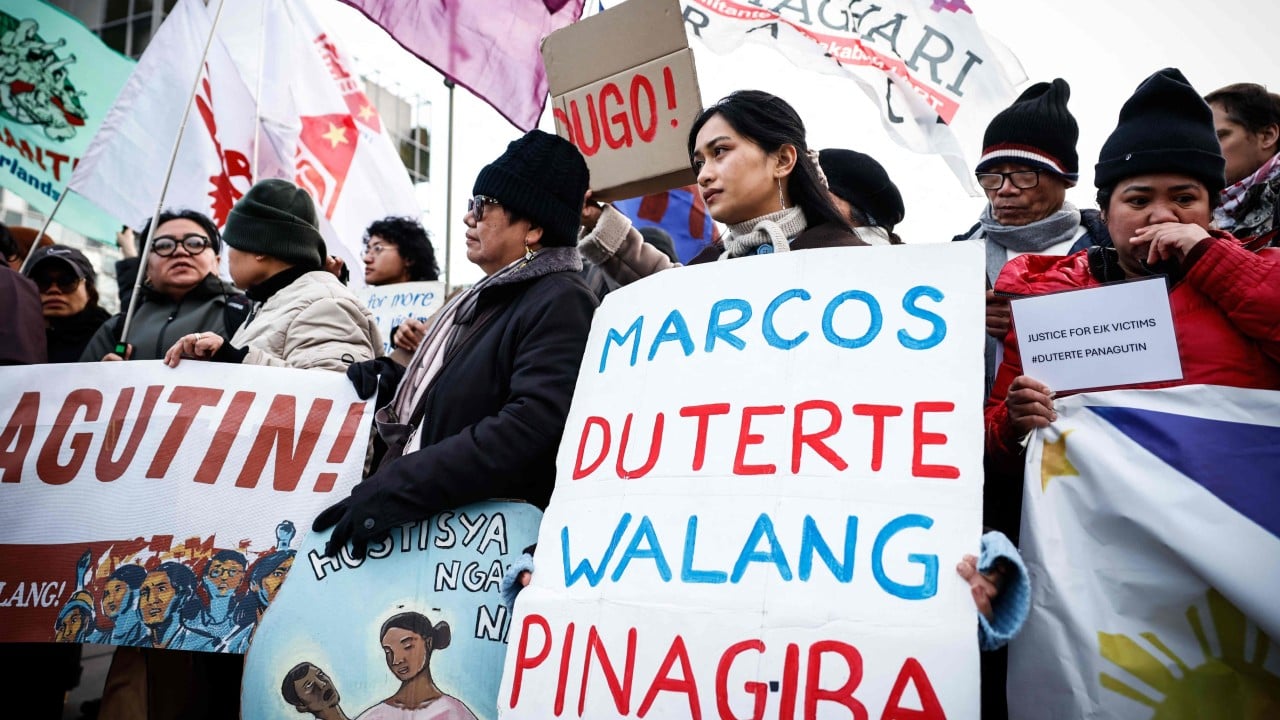
The political winds in the Philippines don't just shift; they howl. For years, the international community and local activists banked on the idea that the youth would be the ones to finally pull the rug out from under the Duterte legacy. They expected a generational uprising against the "War on Drugs" and a surge of support for the International Criminal Court (ICC) investigation. But recent data suggests the exact opposite is happening. Gen Z Filipinos, once seen as the progressive vanguard, are leading a massive collapse in support for the ICC’s intervention.
It’s a reality that leaves many human rights groups scratching their heads. They assumed that Gen Z, with their digital savvy and exposure to global social justice movements, would naturally gravitate toward international accountability. Instead, we’re seeing a generation that’s increasingly skeptical of "western" intervention and more focused on immediate, local stability. If you've been following the pulse of Manila’s streets or TikTok feeds, this shouldn't actually come as a surprise. Also making news recently: The $100 Million Shield Against a Sleeping Giant.
The Numbers Behind the Shift
Public opinion polling by firms like Octa Research and Social Weather Stations (SWS) has historically shown a complex relationship between Filipinos and the ICC. However, the most recent trends indicate a sharp drop in the percentage of young adults who believe the ICC should be allowed to investigate former President Rodrigo Duterte for alleged crimes against humanity.
In some demographics, support for the probe has plummeted by double digits in less than two years. This isn't just a minor fluctuation. It’s a wholesale rejection of the narrative that the ICC is the only path to justice. Gen Z isn't necessarily saying they love everything Duterte did. They're saying they don't trust an outside court to fix Philippine problems. More details into this topic are explored by Reuters.
The drop-off is particularly noticeable when compared to the 2021-2022 period. Back then, the rhetoric of the "opposition" still had some teeth among the youth. Today, that bite is gone.
Why the ICC Narrative Failed to Stick
You have to look at the "sovereignty" argument. It sounds like a dry, legalistic term, but it’s been weaponized with incredible efficiency. The current administration and the Duterte camp have successfully framed the ICC as a colonial-style meddler. To a Gen Z Filipino who grew up in an era of rising Asian pride and a desire for independence from Western "lectures," that argument resonates.
Many young people see the ICC as a slow, bureaucratic entity that doesn't understand the ground reality of the drug crisis in the Philippines. There’s a feeling that while the ICC sits in The Hague discussing legal theories, people in the Philippines are dealing with the actual consequences of crime and poverty.
Then there’s the "Selective Justice" critique. You’ll hear Gen Z influencers and students ask why the ICC isn't moving with the same speed against leaders in more powerful Western nations. This perceived hypocrisy makes the court look like a tool for political theater rather than a genuine instrument of human rights.
The Marcos Duterte Alliance and its Impact
Politics in the Philippines is often about brands. The "UniTeam" alliance between Ferdinand Marcos Jr. and Sara Duterte during the 2022 election wasn't just a temporary pact. It was a cultural juggernaut. By linking the Duterte name to the Marcos "Bagong Pilipinas" (New Philippines) movement, the administration created a sense of forward momentum.
For Gen Z, the ICC case feels like a look backward. It’s an obsession with the past at a time when they’re worried about inflation, the price of rice, and the quality of jobs in the BPO sector. The government has done a masterful job of framing the ICC investigation as a distraction from "nation-building."
When the Vice President, Sara Duterte, openly defies the ICC’s jurisdiction, she isn't just speaking to her base. She’s signaling to the youth that the Philippines is strong enough to handle its own affairs. That’s a powerful drug for a generation looking for national identity.
The Social Media Battlefield
Let’s be honest about where Gen Z gets their information. It isn't from lengthy human rights reports or international news broadcasts. It’s from 15-second clips on TikTok and Reels.
The pro-Duterte digital ecosystem is incredibly sophisticated. It doesn't just push propaganda; it creates a vibe. That vibe portrays the ICC as "cringe" or "out of touch." Meanwhile, activists pushing for the ICC often come across as overly academic or "preachy." In the battle for Gen Z attention, the "preachy" side almost always loses.
You also can't ignore the role of disinformation. It's a huge problem. But it's too simple to say Gen Z is just "fooled." Many are making a conscious choice to prioritize domestic stability over international legal standards. They’ve seen the "Yellow" and "Pink" movements fail to deliver tangible economic changes, so they're trying a different path.
The Disconnect with International Human Rights Groups
Groups like Human Rights Watch and Amnesty International have spent years documenting the extrajudicial killings. Their work is vital. But there’s a massive gap between their documentation and the lived experience of many Filipinos.
In many urban poor communities—the very places where the drug war was most intense—support for Duterte remains high. Gen Z kids from these neighborhoods often saw the drug war as a blunt, but necessary, tool to make their streets safer. While the "middle-class" Gen Z might debate the ethics of it, the "working-class" Gen Z often prioritizes the absence of drug pushers on their corner.
The ICC’s failure to bridge this class divide has been its undoing in the court of public opinion. If the court is seen as a project for the elite and the foreigners, it will never gain the popular support it needs to force the Philippine government’s hand.
Legal Realities vs Political Optics
Legally, the ICC maintains that it has jurisdiction because the alleged crimes happened while the Philippines was still a member of the Rome Statute. The Philippine government argues that since they withdrew from the treaty, the ICC has no business being there.
For the average Gen Z voter, the legal nuances don't matter. What matters is the optic of a foreign prosecutor telling a sovereign nation what to do. The Duterte camp has framed every ICC move as an attack on Filipino dignity.
We also have to talk about the "Fatou Bensouda" and "Karim Khan" factor. These are names that mean everything in international law circles and almost nothing in a Quezon City sari-sari store. The lack of a "local face" for the ICC’s cause makes it feel alien.
What This Means for 2028
The collapse of support for the ICC case isn't just about Duterte’s legacy; it’s about the 2028 presidential election. If Gen Z remains skeptical of international intervention, any candidate who runs on a "pro-ICC" or "human rights first" platform is going to face a massive uphill battle.
The current trend suggests that the youth vote is gravitating toward "strongman" styles or technocratic stability rather than liberal democratic ideals. This shift is a warning sign for the traditional opposition. If they can't find a way to make human rights feel relevant to the daily struggles of a 20-year-old in Cebu or Davao, they're going to remain irrelevant.
Reality Check for the ICC
The ICC is in a tough spot. If they issue arrest warrants, they risk being seen as toothless if the Philippine government simply ignores them—which they almost certainly will. If they don't move forward, they look weak.
The strategy of relying on "youth pressure" to force the government to cooperate has clearly failed. Gen Z isn't the backup the ICC was looking for. In fact, Gen Z might be the very reason the government feels so comfortable telling the ICC to stay away.
If you’re waiting for a sudden pivot in public opinion, don’t hold your breath. The sentiment shift among young Filipinos is deep-rooted. It’s based on a mix of nationalistic pride, a focus on economic survival, and a deep-seated cynicism toward international institutions.
To understand what’s happening, stop looking at the law books and start looking at the cultural shift. The Philippines is moving on, even if the rest of the world isn't ready to.
If you want to track this yourself, watch the engagement levels on official government social media pages compared to human rights NGOs. The disparity is staggering. The next step for anyone interested in Philippine politics is to look beyond the ICC headlines and study the local judicial reforms—or lack thereof—that the government is using as a shield. That’s where the real fight for justice is actually happening, far away from the cameras in The Hague.