Global energy transit architecture relies on hyper-concentrated geographical nodes where minor disruptions trigger exponential price variations across downstream markets. The Strait of Hormuz represents the primary structural bottleneck of international crude oil flows, moving approximately one-fifth of the world's petroleum supply. Recent geopolitical friction and unilateral policy pronouncements concerning transit security, security cost allocation, and maritime tolls have exposed the fragility of contemporary energy supply chains. Deconstructing these developments requires examining the economic mechanics of maritime choke points, the shifting liability of transit protection, and the systemic pricing feedback loops that affect global industrial output.
The Economics of Maritime Choke Points and Transit Liability
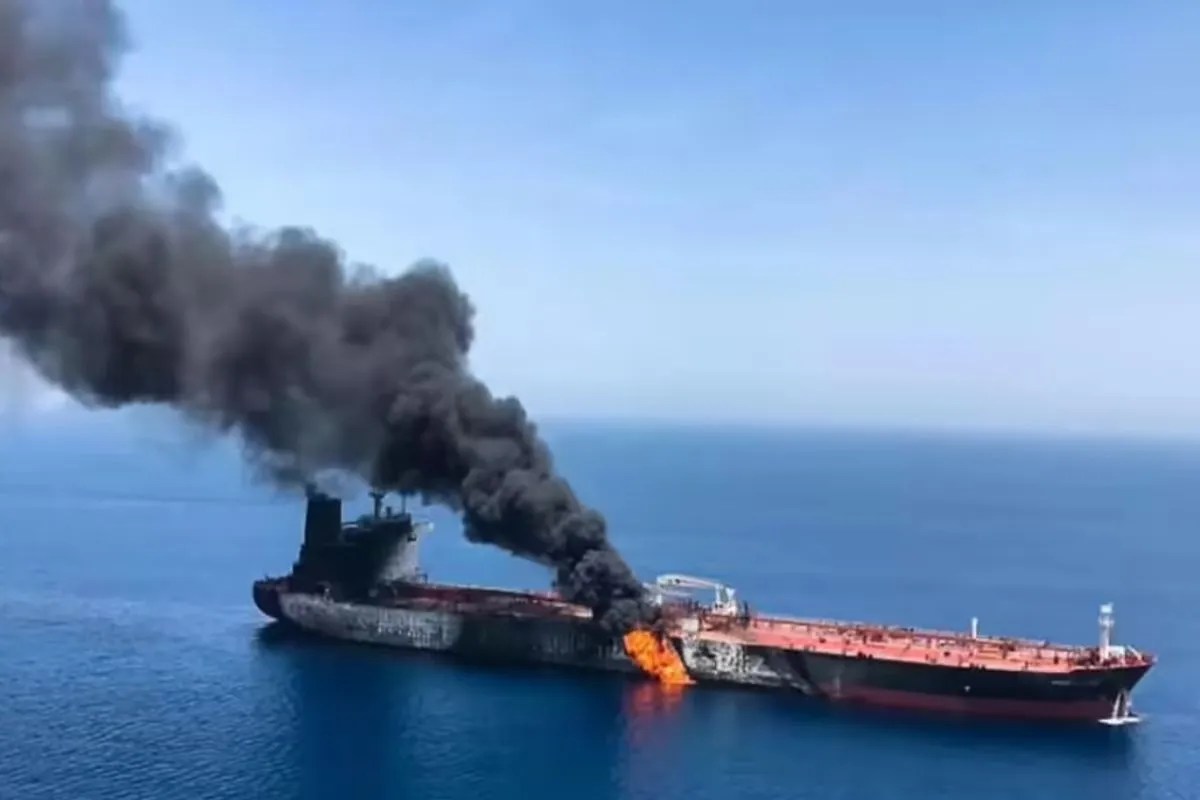
International maritime law designates the Strait of Hormuz as an international strait subject to transit passage rights, prohibiting sovereign coastal states from levying arbitrary tolls on commercial navigation. However, de jure legal frameworks face severe operational friction when physical security deteriorates. When regional conflicts escalate—typified by naval confrontations, mine deployment, and vessel targeting—commercial insurance premiums spike, or underwriters withdraw coverage entirely. This introduces a private-market tax on energy transport that dwarfs any formal governmental levy. Meanwhile, you can explore other events here: Why the Chaos Inside Brazil Supreme Court Changes Everything.
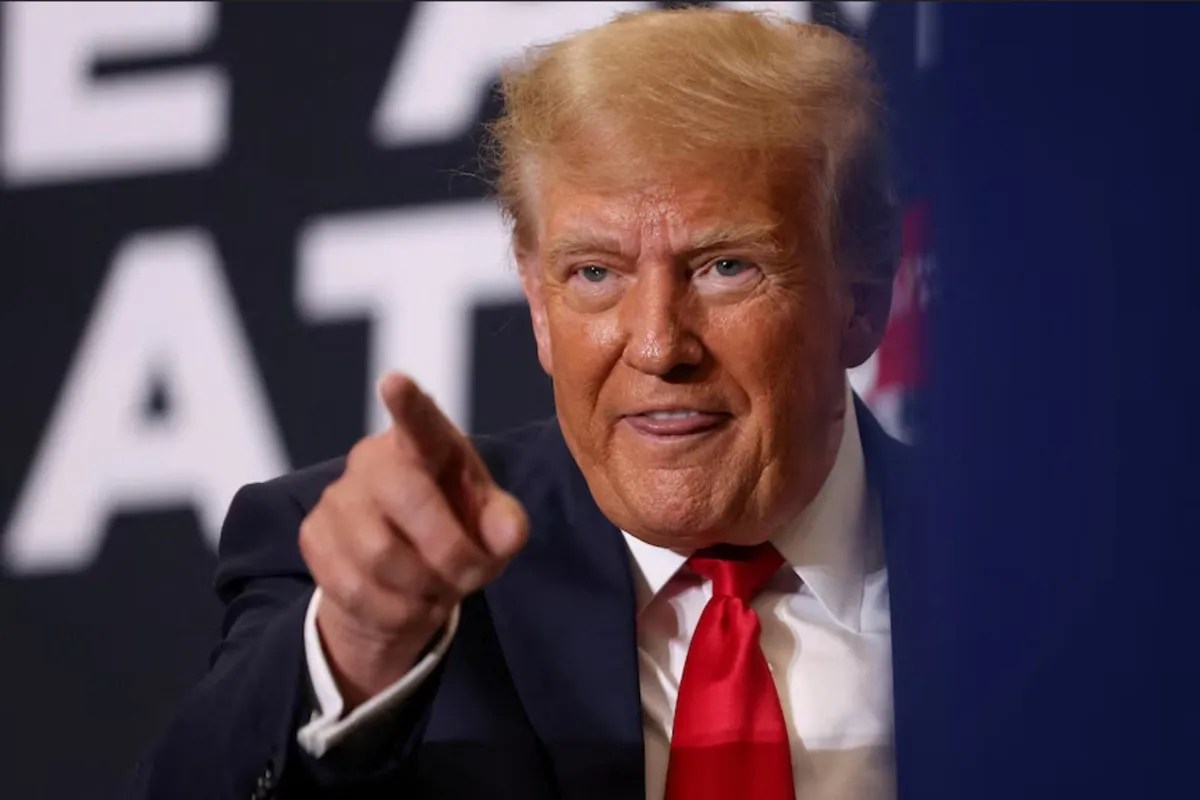
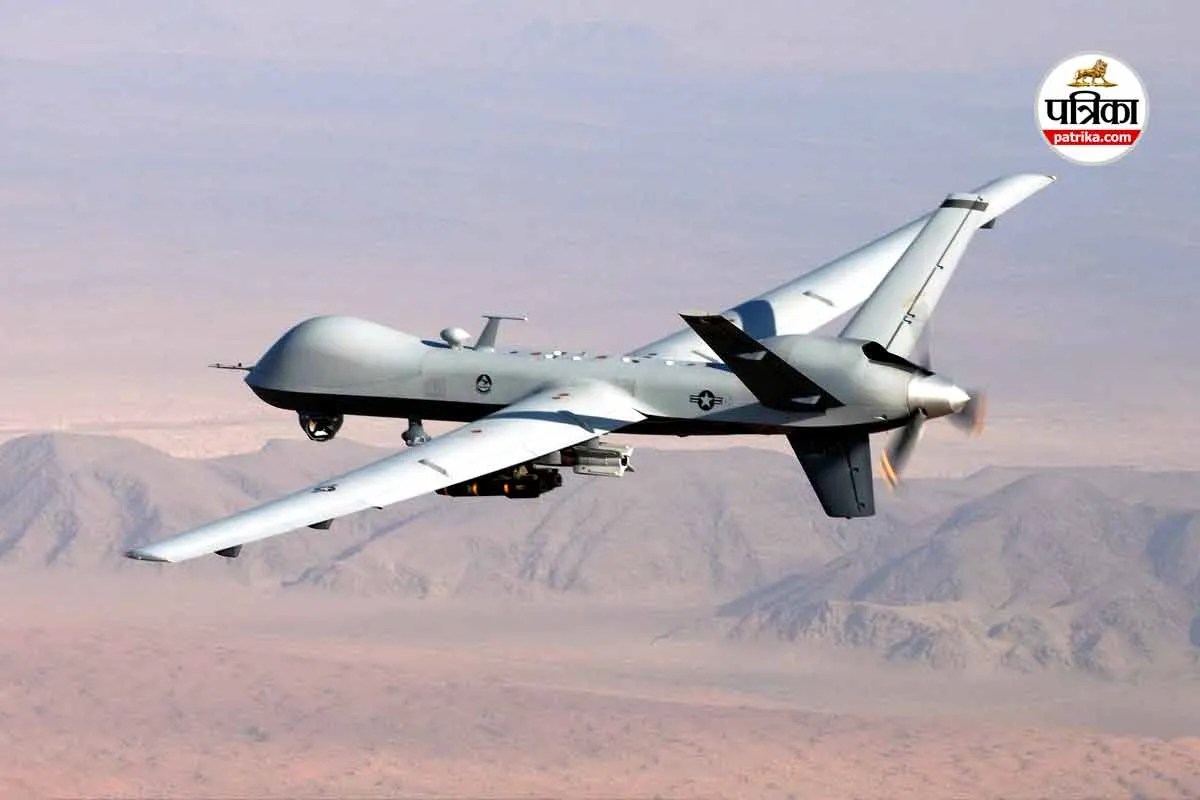
The proposition that consuming nations or transport operators should directly compensate external naval powers for securing commercial lanes shifts the cost burden from public defense budgets to private cargo owners. Economically, this functions as an externalized security tax. If a primary security guarantor provides naval escort operations and mine-clearing activities to maintain flow through a constrained corridor, the cost of these military operations is traditionally absorbed by national defense taxpayers. Proposing direct billing or conditional transit fees forces a re-evaluation of public goods provision in international trade.
[Naval Power Pro-active Security] --> [Reduced Insurance Risk Premium] --> [Stabilized Downstream Consumer Prices]
                                  --> [Proposed Direct Transit Fee Allocation] --> [Inflated Cargo Input Costs]
Supply Chain Transmission Mechanisms and Inflationary Feedbacks
When transit security through Hormuz fluctuates, the immediate market reaction manifests in Brent and WTI crude futures volatility. The transmission mechanism from physical disruption to macroeconomic inflation operates via three distinct channels: To see the full picture, check out the recent analysis by The Guardian.
- Marine Insurance and Freight Rates: Hull war risk insurance premiums for Persian Gulf voyages scale rapidly during active hostilities. Shipowners factor these premiums into charter rates, elevating the landed cost of crude before refining begins.
- Refining Margins and Product Yields: Disruption of sour crude grades originating from Persian Gulf producers forces refiners in Asia and Europe to seek alternative feedstock grades, creating localized shortages in middle distillates such as diesel and jet fuel.
- Secondary Logistical Cascades: Higher diesel pricing directly inflates global freight costs, raising the landed price of non-energy goods, raw materials, and agricultural commodities.
Proposals to impose transit fees or condition passage on financial compensation intersect directly with these inflationary pressures. Adding administrative or security-linked tolls onto a route already burdened by war-risk premiums creates a compounding cost stack. Importers with high structural dependence on Middle Eastern hydrocarbons—such as major South and East Asian economies—absorb these cost increases directly into domestic wholesale inflation indices.
Strategic Alternatives and Market Resilience
To mitigate exposure to localized maritime choke points, importing nations and multinational energy firms deploy structural adjustments:
- Bypassing Infrastructure: Utilizing operational land pipelines (such as the East-West Pipeline in Saudi Arabia or the Habshan-Fujairah pipeline in the UAE) allows a portion of crude exports to circumvent the Strait of Hormuz, discharging directly into the Gulf of Oman or the Red Sea.
- Strategic Petroleum Reserves (SPR): Coordinated releases by major economies act as short-term liquidity buffers, dampening speculative price spikes during acute military standoffs.
- Diversification of Supply Mix: Expanding non-OPEC production capacity or accelerating domestic alternative energy adoption structurally reduces marginal dependence on vulnerable shipping lanes.
The viability of any strategy transferring transit security costs to commercial operators depends entirely on market elasticity. In an environment characterized by tight supply balances and elevated geopolitical risk, any attempt to internalize naval protection costs via direct fees will be passed downstream to industrial end-users and retail consumers, cementing energy security as a primary determinant of macroeconomic stability.