Asia stands at a crossroads where the free flow of global trade meets the harsh reality of localized economic inequality. While Singapore navigates the treacherous waters of Middle Eastern maritime security to protect its status as a premier global hub, residents in Hong Kong and Manila grapple with a housing crisis that threatens to redefine the social contract in the East. These are not isolated incidents of regional friction. They are the visible symptoms of a global system struggling to maintain stability under the weight of shifting alliances and massive internal wealth disparities.
The Singapore Strategy in the Strait of Hormuz
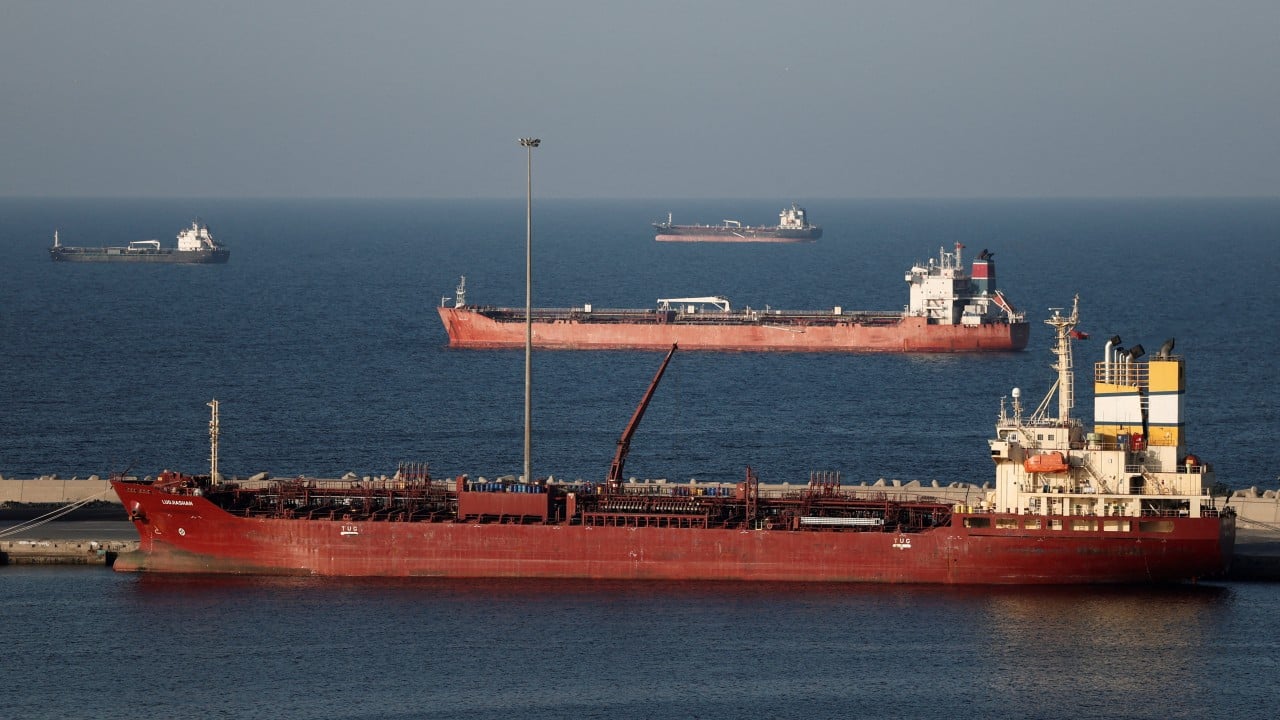
Singapore has long maintained a policy of calculated neutrality, but its recent stance on the Strait of Hormuz signals a necessary shift toward active protectionism. For a nation-state that survives on the uninterrupted flow of goods through its ports, maritime security is not a diplomatic preference. It is a survival mechanism. By aligning with international efforts to keep the Strait open, Singapore is betting on the preservation of the rules-based order that fueled its rise from a colonial outpost to a financial titan.
The Strait of Hormuz remains the world's most sensitive energy artery. Roughly a fifth of the world’s liquid petroleum passes through this narrow passage. Any disruption there sends shockwaves through the Singaporean economy, affecting everything from bunkering fees to the cost of raw materials for its petrochemical industry. The government's support for freedom of navigation is a direct response to the increasing volatility in the Middle East, where proxy conflicts and direct state-on-state aggression threaten to choke off the supply lines that feed the world's most populous continent.
Critics argue that by taking a firmer stance, Singapore risks alienating regional partners or becoming entangled in Western-led military frameworks. However, the data suggests that silence is more expensive than participation. Singaporean officials understand that the cost of participation in maritime security coalitions is a fraction of the price of a prolonged blockade or a spike in insurance premiums for commercial vessels. The mission is clear: keep the water moving or watch the economy stagnate.
The Manila and Hong Kong Housing Divide
While Singapore guards the seas, the internal stability of Hong Kong and Manila is being tested by a different kind of pressure: the cost of a roof. The housing gap between these two cities is often framed as a simple matter of supply and demand, but the reality is a complex web of land policy, historical neglect, and extreme wealth concentration.
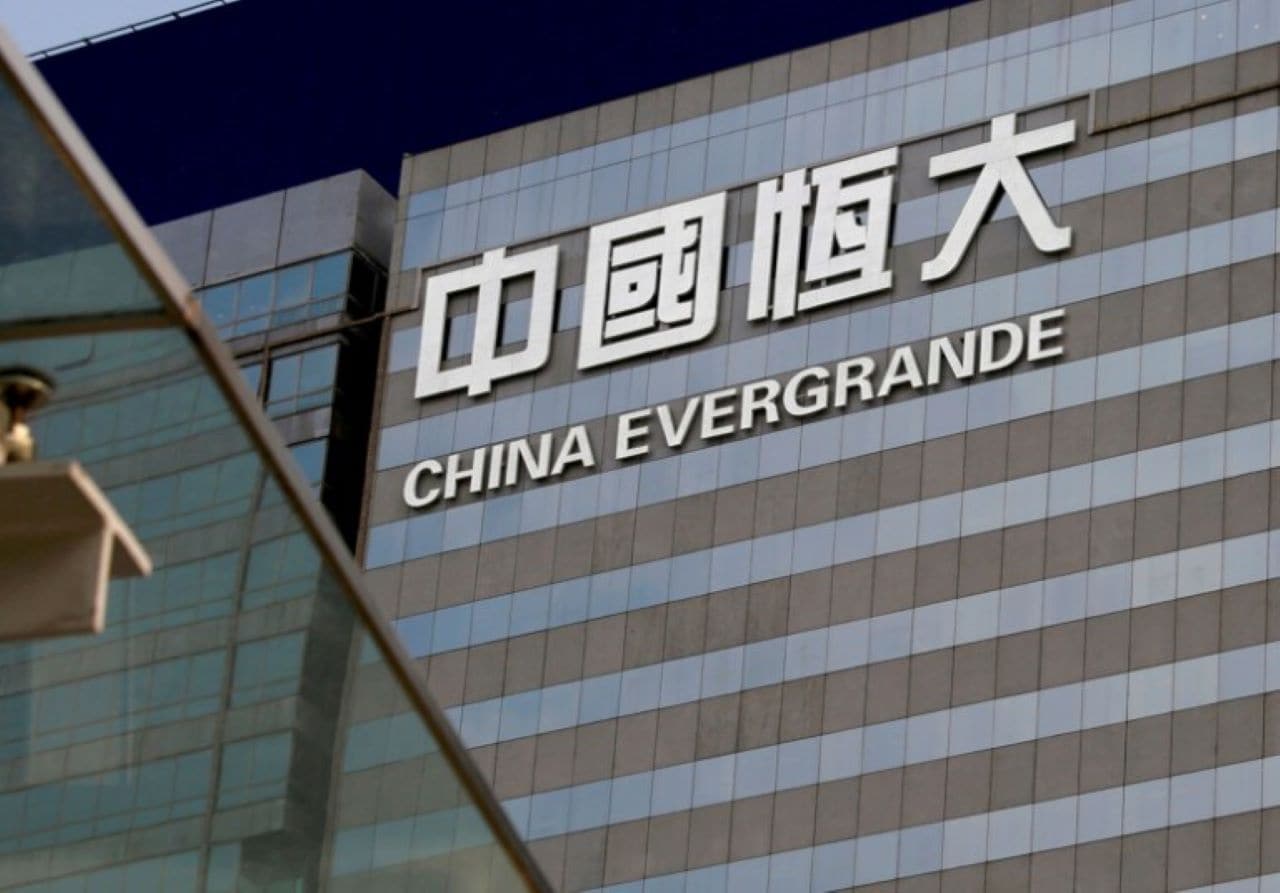
Hong Kong has consistently ranked as the most unaffordable housing market on the planet. The city’s "cage homes" and subdivided flats are a stark contrast to the gleaming skyscrapers of the Central district. The government’s reliance on land sales for revenue has created a perverse incentive to keep property prices high, effectively pricing out the middle class and trapping the working poor in inhumane conditions. This is not just a social issue; it is a long-term threat to the city’s competitiveness as talent flees to more affordable regional alternatives like Tokyo or even Singapore.
In Manila, the crisis takes a different form. The rapid urbanization of the Philippines has led to a massive deficit in affordable housing, forcing millions into informal settlements. Unlike Hong Kong, where the problem is a lack of available land and high prices, Manila suffers from a lack of infrastructure and a history of disorganized urban planning. The result is the same: a workforce that spends a significant portion of its income on substandard housing or grueling commutes from the periphery of the metro area.
The divergence in how these cities handle the crisis is revealing. Hong Kong is attempting to reclaim land through massive projects like the Lantau Tomorrow Vision, a multi-billion dollar bet on artificial islands. Manila is looking toward decentralization, trying to push economic activity toward "New Clark City" and other regional hubs to alleviate the pressure on the capital. Both strategies are fraught with risk and require decades of sustained investment that may not survive the whims of shifting political administrations.
The Energy Transition Gamble
Asia’s economic engine runs on energy, and the transition away from fossil fuels is proving to be a logistical nightmare. While the West pushes for a rapid shift to renewables, Asian giants like Vietnam, Indonesia, and India face the reality of a massive existing coal infrastructure. The "Green Gap" is widening. There is a fundamental tension between the need for cheap, reliable power to fuel industrial growth and the international pressure to meet climate targets.
For many Southeast Asian nations, the transition is not just about technology; it is about financing. The capital required to retire coal plants early and replace them with wind, solar, or nuclear is staggering. Without significant technology transfers and subsidized financing from developed nations, the transition will likely stall, leaving the region more vulnerable to the environmental impacts of climate change while its competitors move ahead.
The Semiconductor Shield and Regional Security
The technology sector in Asia is increasingly being used as a geopolitical tool. Taiwan’s dominance in high-end semiconductor manufacturing has created what many call a "silicon shield," but that shield is showing cracks as the U.S. and China race to achieve domestic self-sufficiency. This competition is forcing other Asian nations to choose sides, disrupting the integrated supply chains that have been the backbone of the region’s electronics industry for decades.
Japan and South Korea are pouring billions into their own chip industries to ensure they aren't left behind. Meanwhile, Malaysia and Vietnam are positioning themselves as the "plus one" in the "China Plus One" strategy, attracting manufacturers who want to diversify their production base away from mainland China. This reshuffling of the deck is creating winners and losers in real-time. Countries that can provide stable political environments and skilled labor are seeing a surge in foreign direct investment, while those mired in internal strife are being bypassed.
The Debt Trap and Infrastructure Spending
The "Belt and Road Initiative" has left several Asian nations with a hangover of debt. From Sri Lanka to Laos, the bill for massive infrastructure projects is coming due, and many of these projects have failed to generate the promised economic returns. This has created a vacuum where international lenders and regional powers are competing for influence through debt restructuring and bailouts.
The era of easy credit for mega-projects is over. Governments are now being forced to prioritize projects that offer immediate economic utility rather than grand symbols of national prestige. The focus has shifted to "soft" infrastructure—education, digital connectivity, and healthcare—which provides a higher long-term return on investment than a half-empty port or a highway to nowhere.
The Workforce Evolution
The demographic dividend that once powered Asia’s growth is fading. China’s population is shrinking, and Japan is already deep into a demographic winter. This shift is forcing a radical rethinking of labor markets. Automation and robotics are no longer optional luxuries; they are essential for maintaining productivity in societies with a shrinking pool of young workers.
In contrast, South and Southeast Asia still have young, growing populations, but they face the challenge of providing enough high-quality jobs to prevent social unrest. The education systems in these regions are often misaligned with the needs of the modern economy, producing millions of graduates with degrees that don't match the demands of the tech or service sectors. Closing this skills gap is perhaps the most critical challenge for the next decade.
The Future of Asian Trade Blocs
The Regional Comprehensive Economic Partnership (RCEP) and the Comprehensive and Progressive Agreement for Trans-Pacific Partnership (CPTPP) represent two different visions for the future of Asian trade. One is a broad, inclusive framework led by China; the other is a high-standard, comprehensive agreement that excludes the world’s second-largest economy. The tension between these two blocs defines the trading environment for every business operating in the region.
Companies are no longer just looking at tariffs. They are looking at data privacy laws, labor standards, and environmental regulations. The complexity of navigating multiple, overlapping trade agreements is increasing the cost of doing business, favoring large multinationals that have the legal and logistical resources to manage the bureaucracy. Small and medium enterprises, the traditional engine of Asian growth, risk being squeezed out of the global market.
The Reality of Regional Fragmentation
The idea of a unified "Asian Century" is a convenient fiction. The region is more fragmented than it has been in decades. Territorial disputes in the South China Sea, the volatile situation on the Korean Peninsula, and the internal instability of nations like Myanmar create a backdrop of constant risk. Investors are becoming more discerning, moving capital away from areas of high political risk and toward markets that offer a modicum of predictability.
The winners will be those who can bridge the gap between global ambition and local reality. Singapore’s ability to secure its sea lanes, Hong Kong’s ability to house its people, and the region’s collective ability to manage the energy transition will determine if the 21st century truly belongs to Asia. The era of growth at any cost is over. Now begins the era of managing the consequences.
Stop waiting for a return to the stability of the early 2000s; that world is gone, replaced by a landscape where geography and housing policy are as important as interest rates.