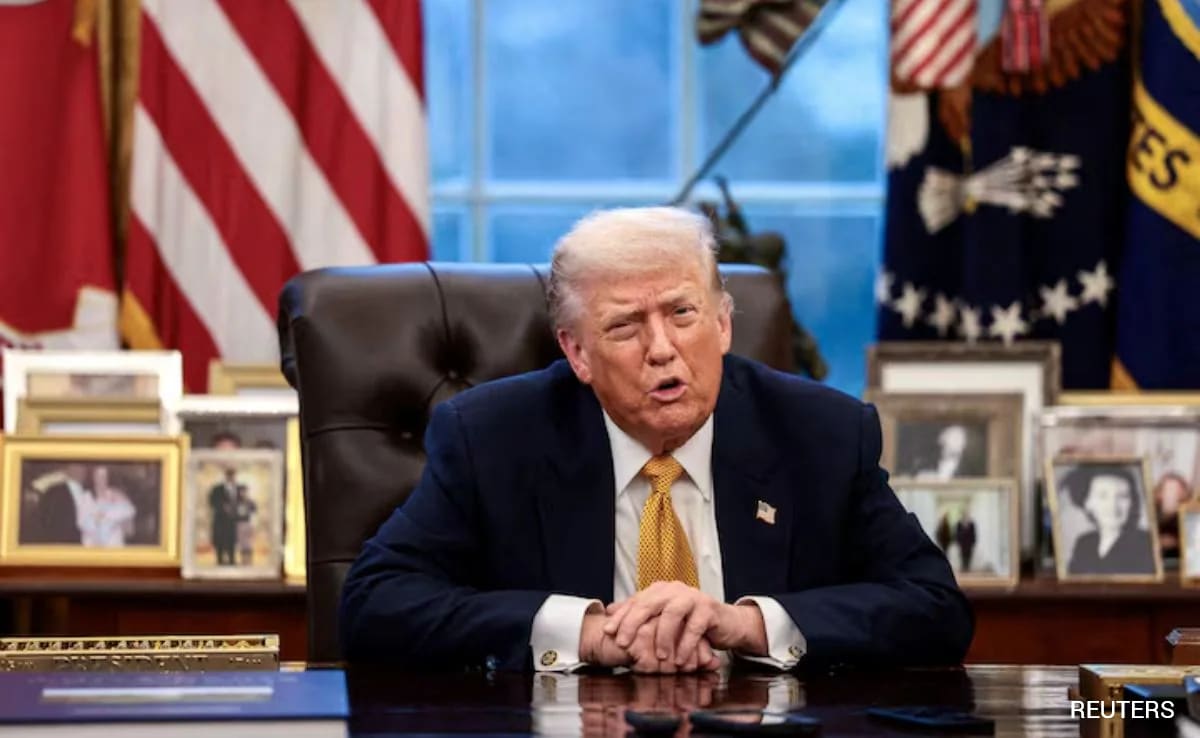
The Norwegian Nobel Committee’s confirmation of 287 candidates for the 2026 Nobel Peace Prize—comprising 208 individuals and 79 organizations—serves as a quantitative proxy for global geopolitical volatility rather than a curated shortlist of viable laureates. While the inclusion of Donald Trump occupies the majority of media bandwidth, the nomination itself is a low-barrier procedural event. Understanding the 2026 cycle requires deconstructing the nomination funnel, the strategic intent of the nominators, and the formal screening architecture that separates political signaling from Nobel-grade merit.
The Nomination Funnel: Low Barriers vs. High Consensus
The presence of a candidate on the nomination list does not indicate committee favor; it indicates the successful navigation of a broad eligibility gate. The Norwegian Nobel Committee does not "nominate" candidates; it merely registers valid submissions from a massive pool of eligible nominators.
The Qualified Nominator Network
The 50-year secrecy rule masks the identity of nominators, but the eligibility criteria are wide enough to ensure a high volume of entries:
- Legislative and Executive Actors: Members of national assemblies and governments, and current heads of state.
- The Academic Tier: University professors of history, social sciences, law, philosophy, and theology, alongside directors of peace research institutes.
- Historical Laureates: Previous winners of the Peace Prize and board members of organizations that have won.
- The Committee Exception: The five members of the Norwegian Nobel Committee may add their own nominations during their first official meeting after the January 31 deadline.
In the 2026 cycle, the public claims of nomination for Donald Trump originated from the leaders of Israel, Pakistan, and Cambodia. These submissions, made in mid-2025, meet the procedural requirements but function as diplomatic signaling tools. By publicly announcing a nomination, a state leader utilizes the Nobel brand to validate their own bilateral relationship with the nominee, regardless of the committee’s eventual deliberation.
Strategic Signaling and the Pakistani-Israeli-Cambodian Nominations
The 2026 nomination of Trump is not an isolated event but a calculated move within a "Validation Loop." Each of the three primary states claiming to have nominated him has specific geopolitical objectives tied to the nomination:
- Pakistan: Justified the nomination via Trump’s role in de-escalating India-Pakistan tensions. The nomination serves as a hedge against shifting U.S. regional policy and a public endorsement of his "deal-making" framework.
- Israel: Tied the nomination to the expansion of regional accords. Here, the nomination acts as a formalization of historical gratitude for the Abraham Accords, keeping the framework alive in the international discourse.
- Cambodia: Utilized the nomination as a vehicle for diplomatic proximity, aligning a smaller power with the potential return of a specific U.S. foreign policy doctrine.
This creates a Signal-to-Value Gap. While the nominators use the prestige of the Nobel to boost their diplomatic standing, the Committee operates on a "Long-Term Value" function. Their mandate, derived from Alfred Nobel’s 1895 will, prioritizes the "abolition or reduction of standing armies" and the "promotion of peace congresses." The Committee often views transactional diplomacy differently than systemic, institutionalized peace-building.
The Shortlist Mechanism and Expert Scrutiny
The 287 candidates will now enter a rigorous filtration phase. The Norwegian Nobel Committee’s decision-making process is an iterative narrowing of the field:
Phase 1: The Initial Cut
The Committee reviews the 287 files to identify candidates with the most significant impact. In 2026, the global context is dominated by "peacekeeping impotence," as noted by the Committee’s secretariat. This suggests a likely preference for candidates addressing structural failures in international law or grassroots humanitarian response.
Phase 2: The Advisory Assessment
Candidates who survive the first cut are subjected to "Deep Scrutiny" by permanent advisers and invited international experts. These experts produce detailed reports that evaluate the sustainability of the candidate's peace efforts. For a political figure like Trump, the reports would weigh historical de-escalation (e.g., Abraham Accords, India-Pakistan mediation) against actions that increased volatility (e.g., the June 2025 strikes on Iranian sites).
Phase 3: The Consensus Requirement
The five members, appointed by the Norwegian Parliament to reflect the political balance of Norway, seek a consensus. This structural requirement acts as a moderate filter. Extremely polarizing figures rarely achieve the unanimous or near-unanimous support required to prevent a public fracturing of the Committee’s reputation.
The 2026 Competitive Landscape: Divergent Models of Peace
The 2026 list highlights two competing definitions of "Peace" currently being weighed by the Committee:
- The Institutional/Humanitarian Model: Represented by nominees like the International Court of Justice (ICJ), the International Criminal Court (ICC), and Sudan’s Emergency Response Rooms. These nominations emphasize the defense of international norms and civilian-led aid in "failed state" scenarios.
- The Realpolitik/Negotiator Model: Represented by figures like Donald Trump and Volodymyr Zelenskyy. These nominations focus on the individual leader’s ability to navigate high-stakes conflict and territorial defense.
The Committee’s choice will signal which model they believe is more critical in the current era. Awarding a humanitarian group focuses on the victims of conflict; awarding a state leader focuses on the resolution of conflict.
Strategic Forecast for October 9
The high number of nominations (287) in 2026 is a lagging indicator of a fractured world order. The Committee's recent rhetoric suggests an awareness that the "Peace Prize is even more important in a period like the one we’re living in."
Analysis of Committee behavior suggests that in years of extreme polarization, the prize frequently shifts toward:
- Shared Awards: Dividing the prize between opposing parties or complementary organizations to balance the political narrative.
- Institutional Reinforcement: Opting for established bodies like the ICJ to signal support for the "Rules-Based Order" over individual personalities.
The strategic play for observers is to look past the "Trump" or "Zelenskyy" headlines and monitor the Committee's emphasis on "principled commitment and innovative action." The final decision, to be announced on October 9, 2026, will ultimately serve as a commentary on whether the Committee believes peace is a product of systemic law or individual will.
Everything you need to know about the Nobel Peace Prize
This video provides the specific regional context regarding Pakistan's 2026 nomination of Trump and the subsequent geopolitical reactions.
http://googleusercontent.com/youtube_content/1