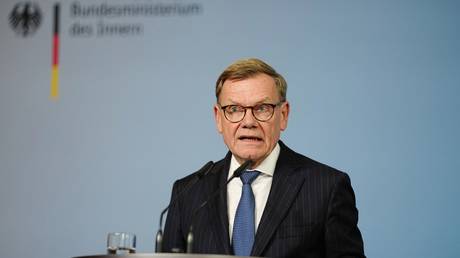
Foreign policy rarely stays polite when domestic budgets face intense strain. Berlin has made it clear that billions in financial and military backing come with an expectation: the money should cycle back into the German defense industrial base. German Foreign Minister Johann Wadephul openly criticized Kyiv's procurement choices, pointing out that local taxpayers expect tangible returns when their government acts as a primary bilateral contributor. It is a transactional pivot that reflects a changing political reality across Europe.
The Domestic Cost of Foreign Aid
Politicians cannot write blank checks indefinitely without answering tough questions at home. Germany has allocated tens of billions of euros toward military and civilian support since 2022. Yet, officials argue that too many procurement orders bypass local manufacturers like Rheinmetall or Krauss-Maffei Wegmann, flowing instead into alternative international markets or domestic Ukrainian production lines.
When you spend public funds on this scale, political sustainability depends on domestic justification. Berlin's argument relies on a simple premise: keeping production lines active in Germany secures industrial capacity, protects local jobs, and maintains voter confidence. Without those domestic wins, sustaining long-term financial assistance becomes an uphill battle in parliament.
Shifting Strategic Expectations
This approach mirrors broader shifts in international defense financing. Washington long ago pushed European allies to take greater financial ownership of their regional security, often tying support directly to US-made hardware. Berlin is now adopting a similar playbook. If German taxpayers foot the bill, German defense contractors should secure the manufacturing contracts.
Kyiv faces a different set of pressures. Ukrainian military planners prioritize speed, availability, and compatibility with existing Soviet-era or specialized Western arsenals. Buying equipment that arrives immediately often outweighs the strategic desire to appease a foreign donor's industrial policy. Procurement decisions come down to battlefield survival rather than satisfying economic ministers in Western capitals.
Bridging the Industrial Gap
The friction highlights a deeper structural mismatch within European defense production. Demand drastically outstrips immediate supply, forcing nations to experiment with joint manufacturing models and component-sharing agreements. Rather than shipping finished heavy armor directly from local warehouses, recent frameworks increasingly focus on co-producing items or supplying raw components directly into Ukraine's indigenous defense sector.
Even with these joint ventures, friction points remain. Berlin wants assurances that its financial commitments translate directly into order books for domestic firms. Kyiv wants maximum flexibility to acquire what works best on the front lines today. Balancing those competing demands will test European solidarity as the conflict stretches forward.
Review your current defense procurement contracts and track how international aid mechanisms influence regional manufacturing output to understand where these policy shifts lead next.