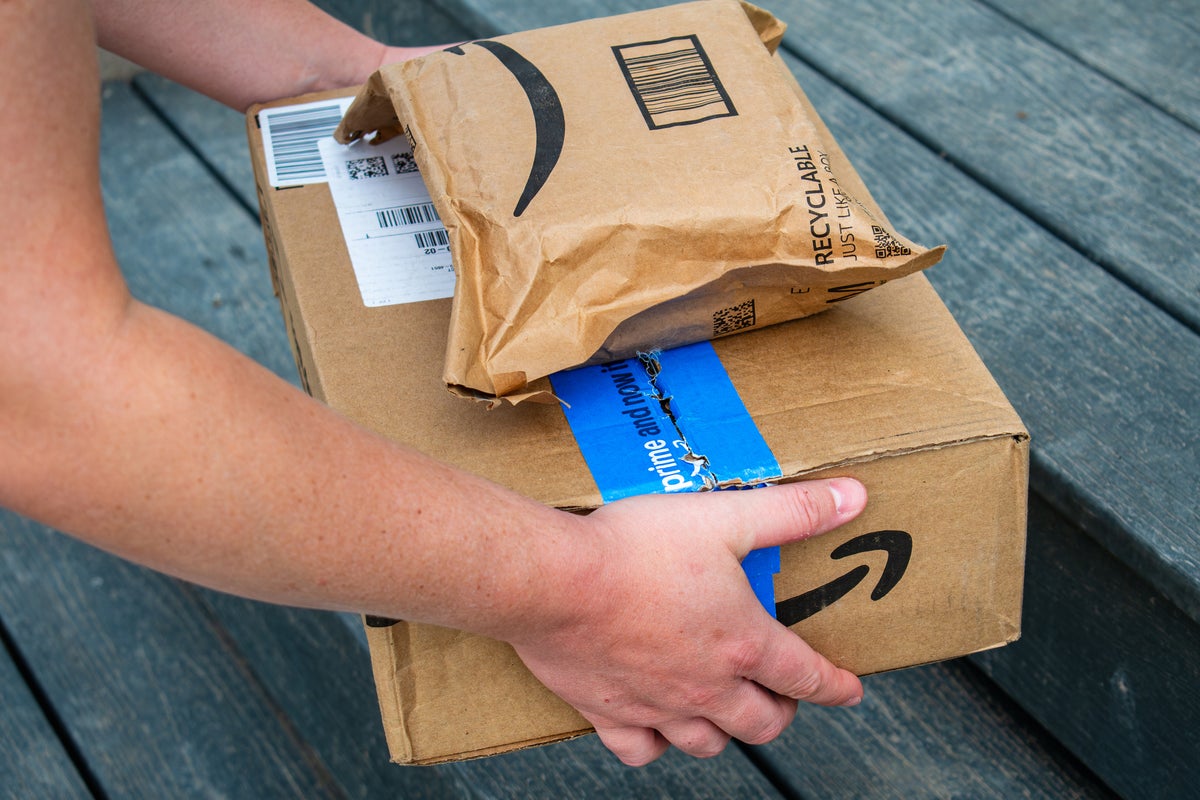
An Amazon delivery driver intervened in a violent domestic assault, saving a woman from a hammer-wielding attacker. The driver heard screams while on a routine delivery route, entered the residence, and physically disarmed the assailant. Police arrived shortly after to arrest the suspect, crediting the driver's quick actions with preventing a fatality. While local authorities rightly praised the individual's bravery, the incident exposes a critical, unaddressed reality regarding the personal safety of gig workers and independent contractors who serve as the nation's logistics backbone. Frontline delivery drivers are increasingly forced to navigate unpredictable, high-risk environments without adequate security training, clear emergency protocols, or comprehensive workplace protections.
This event is not an isolated anomaly. It highlights a structural blind spot in the hyper-efficient world of modern package delivery.
The Unseen Risks on the Doorstep
Modern logistics corporations rely heavily on algorithmic efficiency to move millions of packages daily. Drivers are tracked by seconds, routed by GPS, and evaluated on fixed performance metrics. Yet, the physical environment they step into remains entirely unpredictable. Delivery personnel regularly encounter loose animals, unstable structures, and volatile human situations.
When a driver walks up a driveway, they cross from public property into a private domain where variables cannot be controlled by software. The tech infrastructure handles routing and proof of delivery perfectly. It fails entirely at predicting whether a customer is experiencing a mental health crisis, engaging in domestic violence, or preparing to react aggressively to a stranger on their property.
The industry treats these encounters as statistical outliers. For the drivers on the ground, they are daily occupational hazards. The core business model relies on the assumption that the final fifty feet of a delivery route is just as safe as the warehouse floor. Data suggests otherwise, as industry tracking shows a steady rise in incidents involving physical threats to delivery personnel over the last five years.
The Structural Shield of Independent Contracting
To understand why safety infrastructure remains minimal, one must examine the employment structures governing the delivery sector. A significant portion of Last-Mile delivery is executed not by corporate employees, but by independent contractors or third-party Delivery Service Partners (DSPs). This arrangement provides major logistics companies with immense operational flexibility and a legal buffer.
Under standard contracting frameworks, the primary corporation establishes the standards of service but shifts the burden of operational liability onto the smaller partner firms or the individual workers themselves.
- Liability Transfer: When an incident occurs, the primary corporation can categorize it as a third-party issue, limiting direct legal exposure.
- Training Deficits: DSPs often operate on razor-thin margins, meaning comprehensive situational awareness and de-escalation training are frequently sacrificed to prioritize speed and volume.
- Insurance Gaps: Worker's compensation and medical coverage can vary drastically depending on whether a driver is a direct corporate employee, a DSP worker, or a gig platform contractor.
This fragmented system creates a dangerous disconnect. The entity with the most resources to develop and mandate comprehensive safety protocols is the furthest removed from the legal responsibility of doing so. The driver becomes a solitary actor, navigating complex social crises or physical dangers with little more than a smartphone app to connect them to assistance.
The Failure of App-Based Safety Tools
In response to rising concerns over worker safety, major delivery platforms have introduced various in-app emergency features. These typically include panic buttons, direct links to emergency services, and real-time GPS tracking shared with dispatchers. While these tools look effective on a corporate sustainability report, they frequently fail in real-world scenarios.
A panic button requires a driver to have their phone unlocked, navigate to a specific menu, and press a digital icon while actively facing a physical threat. In the heat of a violent confrontation, this requirement is entirely impractical.
Furthermore, real-time tracking only tells a dispatcher where a driver is, not what is happening to them. If a driver leaves their vehicle to walk up to a porch, a stationary GPS dot on a map does not signal distress. By the time a dispatcher notices a prolonged delay at a specific address, the window for effective intervention has closed. The technology is reactive, designed to log an incident after it occurs rather than preventing or mitigating the danger in real time.
Rethinking the Value of the Frontline Worker
Corporate public relations departments are quick to celebrate drivers who perform heroic acts. They issue statements praising the individual's character and express gratitude for their service. This narrative framing serves a specific purpose: it transforms a systemic workplace safety failure into a heartwarming story of individual heroism.
By focusing on the driver's bravery, the conversation shifts away from why a worker was placed in a vulnerable position without protection in the first place. True systemic reform requires moving past superficial praise and addressing the material conditions of the job.
Logistics networks must begin integrating community risk data into routing algorithms, allowing drivers to skip deliveries or request dual-driver routing in areas with active police calls or documented histories of violence. Drivers need paid time to undergo professional de-escalation and situational awareness training. Crucially, the legal definitions of employment must evolve so that the corporations profiting from this massive distribution network bear full financial and moral responsibility for every individual carrying their packages.
The current trajectory relies on the luck of having extraordinary individuals willing to risk their lives on the job. Relying on heroism is not a viable corporate safety strategy.