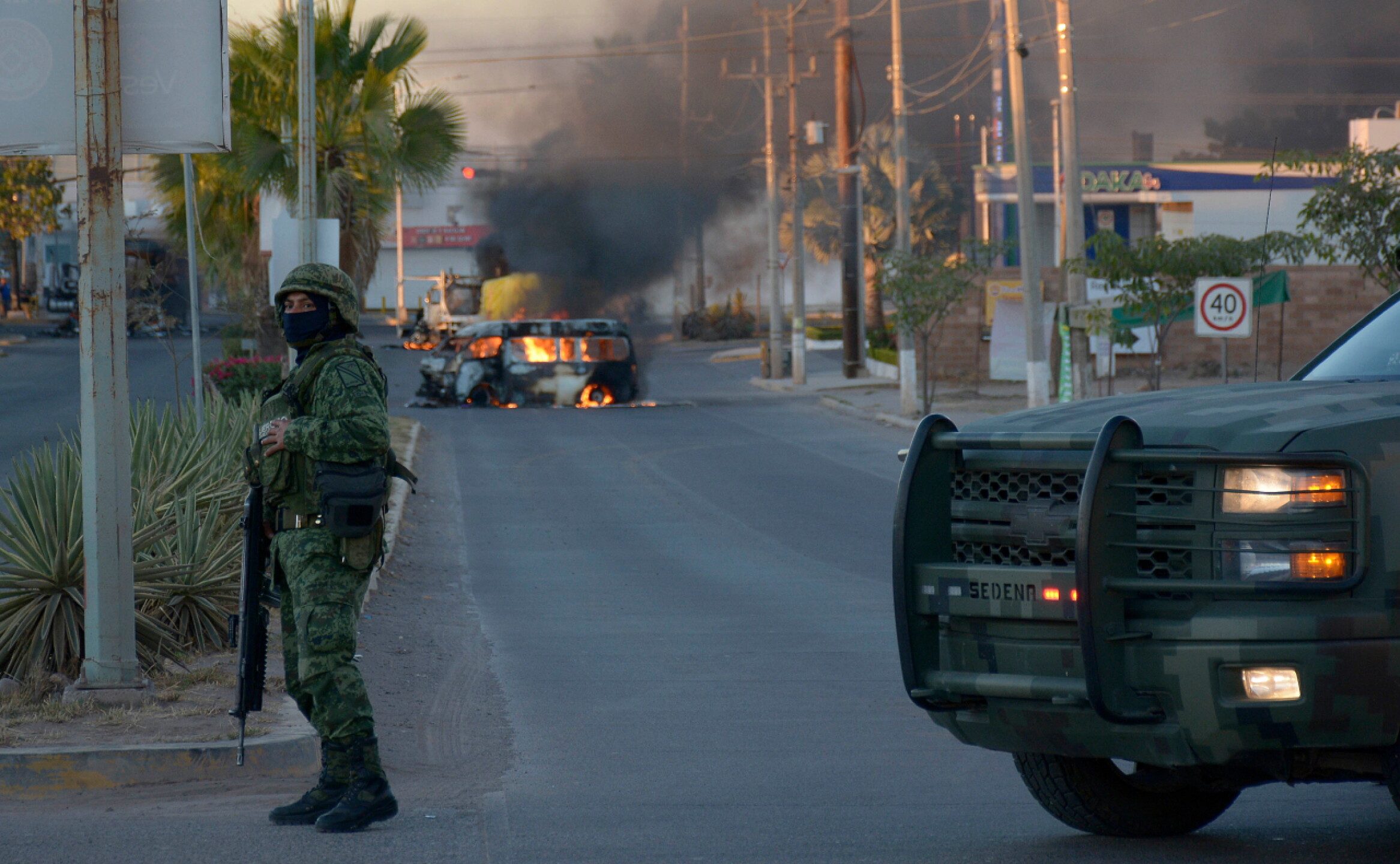
The sound of a ceasefire is not silence. It is a fragile, vibrating frequency, like a sheet of glass held between two trembling hands. In the villages dotting the hills of southern Lebanon, people have spent the last few days trying to breathe again. They swept the dust of pulverized concrete from their doorsteps. They looked at the skeletal remains of olive groves and wondered if the soil would ever lose the metallic tang of cordite.
Then the glass shattered. Discover more on a related subject: this related article.
Seven lives ended on a Monday that was supposed to be a bridge to something better. The Israeli airstrikes hit several locations across the south, targeting what the military described as "terrorist infrastructure." But to the people on the ground, the terminology matters less than the anatomy of the loss. When a missile finds its mark, it doesn’t just destroy a target. It incinerates the very idea of safety. It turns a temporary truce into a cruel joke.
The Geography of Grief
Imagine a family returning to a village like Majdal Zoun. They aren't soldiers. They are people with keys in their pockets to doors that might no longer exist. They carry plastic bags filled with bread and medicine, the humble currency of survival. Further reporting by The Washington Post highlights comparable perspectives on this issue.
The ceasefire was signed with ink and guarded by international diplomats in wood-paneled rooms in Paris and Washington. But on the Litani River, peace is measured in minutes. The terms were clear, at least on paper: a sixty-day window for the Lebanese army to move south, for Hezbollah to move north, and for the Israeli Defense Forces to gradually withdraw.
Paper burns easily.
The strikes on Monday weren't just a tactical maneuver. They were a signal. According to reports from the Lebanese Health Ministry, the dead included individuals in the border regions who were simply trying to navigate the wreckage of their lives. Israel maintains that these strikes were a response to violations—Hezbollah members appearing in zones they had agreed to vacate.
This is the deadly rhythm of the border. One side sees a violation; the other sees a provocation. In the middle are the seven who will never see the sixty-day mark.
The Invisible Stakes
Why does a "fragile" ceasefire matter to someone sitting thousands of miles away? Because the Middle East is not a collection of isolated events. It is a web. When one strand snaps in a village like Yaroun, the vibration travels through the global economy, through international law, and through the collective psyche of a world that is becoming increasingly desensitized to the sight of smoke on the horizon.
The stakes are not just about borders. They are about the precedent of words. If a signed agreement cannot protect seven people on a Monday afternoon, what is the value of the next signature?
The technicalities of the deal are dense. There is a five-nation monitoring committee, led by the United States, tasked with overseeing the "disengagement." It sounds clinical. It sounds robust. But monitoring a war zone is like trying to count raindrops in a hurricane. By the time a report is filed about a drone strike or a rocket launch, the funeral is already over.
The Ghost in the Machine
Consider a hypothetical shopkeeper in Nabatieh. Let’s call him Omar. Omar spent the weekend restocking shelves with canned goods and powdered milk. Every time a car backfired, he felt his heart hammer against his ribs. He is living in a state of hyper-vigilance that the human brain was never designed to sustain.
When the news of the seven deaths broke, Omar didn't check the geopolitical analysis. He didn't look for the statement from the UNIFIL peacekeepers. He looked at the sky.
The tragedy of the "small" strike is that it reinforces the nightmare. Large-scale invasions capture the front pages, but the steady drip-feed of "isolated" strikes kills hope just as effectively. It tells the displaced millions that the road home is paved with landmines, both literal and metaphorical.
The Israeli military officials state that their mission is to ensure their citizens in the north can return to their homes. This is a primary duty of any state. Yet, the method of ensuring that return often involves creating a vacuum in the south of Lebanon—a "buffer" of scorched earth.
The Arithmetic of Escalation
Data tells one story; the dirt tells another.
The statistics from this conflict are staggering. Over 3,000 dead in Lebanon since the hostilities ramped up. Hundreds of thousands displaced. On the other side, northern Israeli towns sit like ghost cities, their windows boarded up against the threat of Hezbollah’s Kornet missiles.
The ceasefire was supposed to stop the counting.
Instead, we are back to the grim arithmetic. Seven dead. How many rockets will follow in "retaliation"? How many artillery shells will answer those rockets? This is the feedback loop of violence that diplomats claim they want to break, yet the machinery of war remains oiled and ready.
The real problem lies in the definition of "defense." When every strike is labeled a defensive necessity, the concept of a ceasefire becomes a semantic shell game. If you can strike during a peace, is it a peace at all?
The Anatomy of a Broken Promise
There is a specific kind of exhaustion that settles over a population that has been told "the war is over" a dozen times in forty years. It is a heaviness in the limbs. It is a cynical glint in the eye.
The international community speaks of "de-escalation" as if it were a thermostat you could simply turn down. It isn't. De-escalation is a series of incredibly difficult choices made by people who have every reason to hate and fear one another. It requires a level of trust that has been systematically dismantled over decades of occupation, resistance, and reprisal.
The strikes on Monday shredded that trust.
For the families of the seven, the geopolitical nuance of the Litani River agreement is irrelevant. They are left with the silence of a room that used to hold a voice. They are left with the terrifying realization that even when the world says "stop," the killing continues.
The Weight of the Sky
The sky over southern Lebanon is beautiful. It is a deep, Mediterranean blue that should suggest peace and the scent of jasmine. But for those living beneath it, the sky has become a source of dread. The high-pitched whine of a drone is the soundtrack of their daily lives.
We often talk about these events as if they are a game of chess played by master strategists. We analyze the "leverage" held by Iran or the "strategic depth" required by Israel. We use cold, hard words to describe hot, soft blood.
But the real story is the woman who was hanging laundry when the pressure wave hit. The real story is the Lebanese soldier who is supposed to be the new face of security in the south, but who finds himself standing in the crater of a strike he couldn't prevent.
The ceasefire is currently a ghost. It haunts the ruins. It flickers in the speeches of politicians, but it has yet to take on the solid form of reality for the people of the border.
If this agreement is to survive, it cannot be a "fragile" thing. It cannot be glass. It must be something more resilient. It must be a commitment that holds even when it is inconvenient, even when there is a "target of opportunity" glinting in the crosshairs of a thermal scope.
Until then, the people of the south will keep their bags packed. They will keep their ears tuned to the sky. They will wait for the next shatter.
The seventh body has been buried. The dirt is still fresh. The world is already looking for the next headline, but in the quiet villages of the south, the echoes of Monday's strikes are the only things that feel real. Peace is not just the absence of a declared war. It is the presence of a future where you can wake up on a Tuesday morning and know, with absolute certainty, that you will see the sun set.
That certainty died seven times over this week.