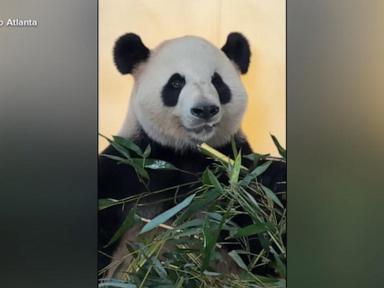
The arrival of giant pandas Ping Ping and Fu Shuang at Zoo Atlanta is more than a simple animal transfer. It represents the intricate chess match of global zoological politics and conservation economics. When the crates touched down, carrying two bears born at the Chengdu Research Base into a newly minted, multi-million-dollar habitat, crowds rushed to the turnstiles. They came to witness the resurgence of an exhibit that had sat empty after a previous generation of beloved bears returned overseas.
Yet, beneath the viral video clips, the souvenir plush toys, and the heavy media coverage sits a sobering financial and geopolitical reality. Modern public zoos are commercial enterprises masquerading as educational sanctuaries, and the panda program is their most expensive, high-stakes gamble.
The Economics of Soft Power
Every giant panda on Earth remains the sovereign property of China. Zoos do not acquire them; they rent them under strict bilateral agreements that typically cost millions of dollars annually. These funds are explicitly funneled back into the conservation infrastructure overseen by Beijing. For institutions like Zoo Atlanta, justifying this expenditure requires a massive, sustained influx of ticket buyers, membership upgrades, and corporate sponsorships.
When Lun Lun and Yang Yang departed after a twenty-five-year residency, the financial hole left behind was substantial. Attendance dips ripple across gift shops, food stands, and auxiliary exhibits. The rapid overhaul that brought Ping Ping and Fu Shuang to the Arthur M. Blank Panda Grove was not just an environmental upgrade featuring new climbing structures and specialized dayroom pools; it was an economic lifeline.
Critics often dismiss panda loans as mere window dressing for deeper diplomatic friction. International relations experts point out that these black-and-white ambassadors frequently land in foreign capitals precisely when trade talks stall or geopolitical tensions peak. It is a calculated exercise in soft power. A panda cub chewing bamboo in front of cheering American spectators softens the edges of superpowers locked in fierce economic competition.
Conservation Realities Behind the Headlines
To understand why institutions continue to pay steep leasing fees, one must look past the public relations surface and examine the conservation mechanics. Giant pandas possess a notoriously fragile evolutionary biology. Their specialized reliance on bamboo—a plant of exceptionally low nutritional value—forces them to spend the majority of their waking hours eating just to maintain basic caloric equilibrium. Their reproductive windows are famously narrow, limited to a single brief annual estrus cycle lasting mere days.
Without intensive captive breeding programs, veterinary monitoring, and artificial insemination protocols pioneered through international partnerships, the species would have struggled far more against habitat fragmentation in the wild. The data from research bases in China, supported directly by foreign zoo lease revenues, demonstrate tangible recoveries in wild population numbers, prompting down-listings on endangered species lists over recent years.
However, this model creates a profound institutional dependency. Zoos become addicted to the attendance spikes generated by new arrivals, diverting finite conservation capital toward a single charismatic megafauna species. Smaller, less photogenic conservation projects—amphibians, insects, and obscure regional birds facing immediate extinction—frequently starve for funding while millions flow into bamboo procurement and climate-controlled exhibit architecture.
The Human Element at the Enclosure Edge
For the veteran keepers and researchers who spend decades monitoring these animals, the political and financial macro-narratives dissolve into daily operational routines. Caring for pandas requires meticulous precision. Keepers measure food intake down to the ounce, monitor fecal consistency to track digestive health, and conduct voluntary medical training sessions so animals can receive ultrasounds without anesthetic stress.
The public sees a tranquil, almost comical animal dozing on a wooden platform. The backstage reality is a high-security biomedical operation. Every transfer requires months of crate acclimation, permitting hurdles, and specialized cargo logistics that involve hundreds of pounds of imported vegetation accompanying the animals on dedicated flights.
As visitors pack the viewing areas of the newly opened Atlanta habitat, the cycle begins anew. The crowds cheer for a brief wave or a casual roll in the grass, largely unaware of the complex treaties, millions of dollars, and diplomatic tightropes that brought these bears to Georgia. The panda-monium is back, driven by an uneasy alliance of public fascination, geopolitical strategy, and the relentless financial demands of modern wildlife management.