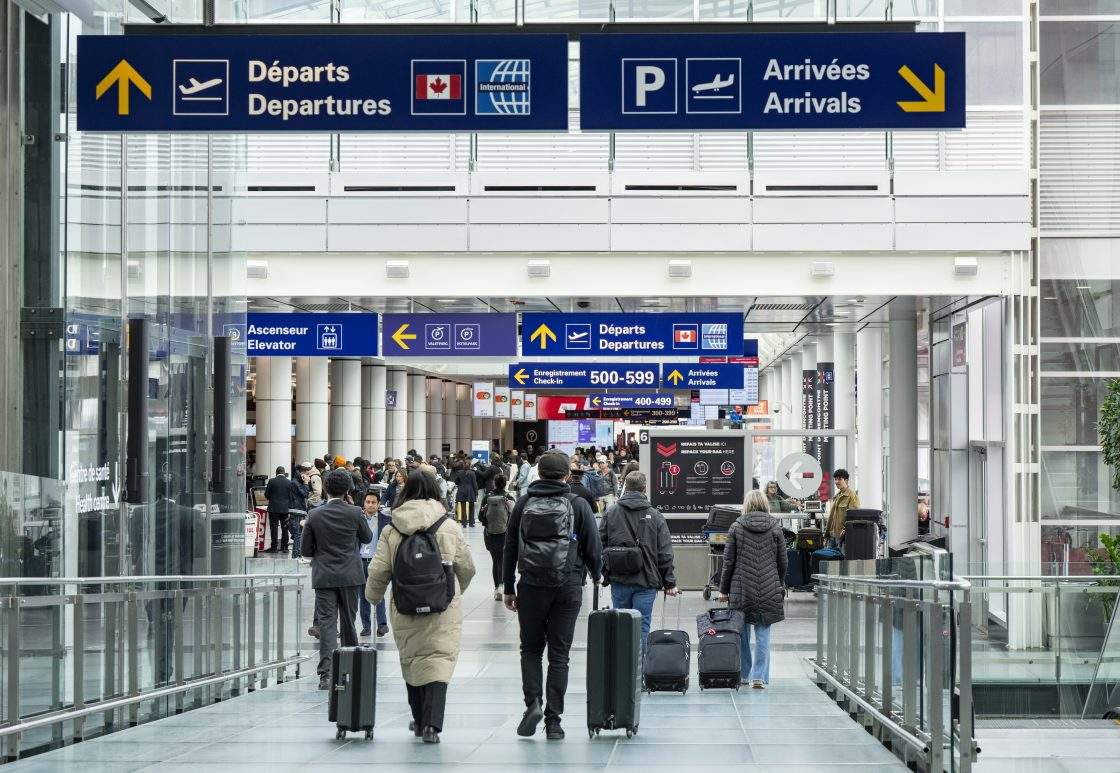
The Department of Homeland Security finally flipped the switch to restart Global Entry enrollment after a frustrating hiatus that left thousands of travelers stuck in standard airport lines. If you've flown recently, you know the vibe. Customs halls have looked like a chaotic scene from a disaster movie, with wait times stretching past the two-hour mark at hubs like JFK and LAX. The decision to bring the program back online isn't just a bureaucratic update. It's a desperate attempt to stop the bleeding at US borders.
But don't get too excited yet. Just because the portal is open doesn't mean you're getting your Trusted Traveler card by next Tuesday. The backlog is massive. We're talking about a mountain of applications that piled up while the DHS dealt with technical "glitches" and staffing shifts. You’re entering a system that’s currently gasping for air.
The Reality Behind the Long Lines
Why did things get this bad? It wasn’t just one thing. A perfect storm of surging post-pandemic travel, outdated software, and a shift in CBP (Customs and Border Protection) priorities created a bottleneck. When the program paused, the "regular" lines swelled. Travelers who usually breeze through in five minutes were suddenly forced to join the masses. This wasn't just an inconvenience for vacationers. It became a genuine security concern as airport terminals reached over-capacity.
The DHS stepped in because the situation became untenable. They realized that without the automated kiosks humming, the manual processing of every single passenger was breaking the system. By restarting Global Entry, they're trying to offload the volume. It’s a math problem. If 20% of passengers use a kiosk, the remaining 80% move faster. Right now, that math is broken.
Getting Your Interview is the Real Battle
Here is the part most travel blogs won't tell you. Applying is the easy part. Paying the $120 fee is even easier. The real hurdle is the interview. Even with the program officially "restarted," finding an open slot at an enrollment center feels like trying to win the lottery.
Most people check the website once, see "No Appointments Available," and give up. That's a mistake. The system is dynamic. Cancellations happen every hour. If you’re serious about skipping the line, you have to be aggressive.
- Check the portal at midnight. Slots often refresh on a schedule that favors the night owls.
- Look at secondary airports. If you live in Chicago, don't just look at O'Hare. Check smaller regional offices or even a neighboring state if you're planning a road trip anyway.
- Use Enrollment on Arrival. This is the undisputed pro tip. If you’re conditionally approved, you can do your interview when you land from an international flight. No appointment needed. Just look for the signs near the customs area.
What the DHS Isn't Saying About Your Data
There’s a reason some privacy advocates aren't cheering this restart. Global Entry relies heavily on facial recognition and biometric data. When you sign up, you're giving the government a high-resolution map of your face and your fingerprints. For most, the trade-off—ten minutes of privacy for ten hours of saved time over five years—is worth it.
But it's worth noting that the tech isn't perfect. We’ve seen reports of "false negatives" where the kiosk fails to recognize a traveler because of lighting or a slight change in appearance. When that happens, you’re sent to a manual officer anyway. It’s rare, but it’s the ghost in the machine that the DHS prefers not to highlight.
Why the Fee Hike Matters Now
You might have noticed the price went up. It used to be $100; now it’s $120. The DHS justifies this by saying the extra revenue will fund the "modernization" of the kiosks. We’ve heard that before. The hope is that this new capital actually goes toward the touchless portals that use "on-the-move" facial recognition.
These newer machines don't even require you to scan a passport or a fingerprint. You just walk up, it looks at you, and you keep moving. If the restart actually includes a rollout of these units, the $20 increase is a bargain. If it’s just more of the same clunky hardware from 2018, it’s a tax on your patience.
The TSA PreCheck Connection
Remember that Global Entry includes TSA PreCheck. This is the dual-threat advantage. If you only fly domestic, Global Entry is overkill. But if you have even one international trip planned in the next five years, the extra $40 (compared to standalone PreCheck) is the smartest money you'll spend.
The restart affects PreCheck too, indirectly. As more people move to Global Entry, the PreCheck lanes at security checkpoints tend to get longer. We're seeing a "dilution" of the benefit. When everyone is "trusted," no one is special. Yet, even a long PreCheck line is better than taking your shoes off and standing in a body scanner.
How to Win the Enrollment Game
If you're sitting on a "Pending Review" status, don't panic. The DHS is prioritizing renewals over first-time applicants to keep existing members in the system. If you're a newbie, expect a wait.
- Verify your credit card benefits. Many premium cards like the Chase Sapphire Reserve or Amex Platinum will credit you back the $120 fee. Don't pay out of pocket if you don't have to.
- Keep your profile updated. If you move or get a new passport, update the TTP (Trusted Traveler Programs) website immediately. A mismatch in data is the fastest way to get your "trusted" status revoked during a random audit.
- Don't lie on the form. Even a decades-old misdemeanor that you think is cleared can trigger a rejection. The DHS sees everything. Honesty is literally the only policy here.
The system is finally moving again, but it’s moving slowly. The "restart" is a green light, but you're still in heavy traffic. Your best bet is to submit that application today. The backlog won't get smaller, and the lines at the airport certainly won't either. Start the process now so that by your next trip, you’re the one walking past the frustrated crowds while they're still pulling their laptops out of their bags.
Log into the TTP portal tonight. Check for those hidden appointment slots. If you see one, grab it. Waiting even 24 hours could put you three months further back in the queue.