Across the floor of a warehouse in Shenzhen, box cutters slice through heavy tape with a sound like tearing fabric. Inside, rows of silicon wafers gleam under fluorescent strips. They are bound for an assembly line in Austin, Texas. Five weeks ago, those same wafers sat in customs limbo, caught in a quiet administrative chokehold that nobody in the shipping department could explain, only endure.
Trade wars do not arrive with air raid sirens. They arrive as paperwork.
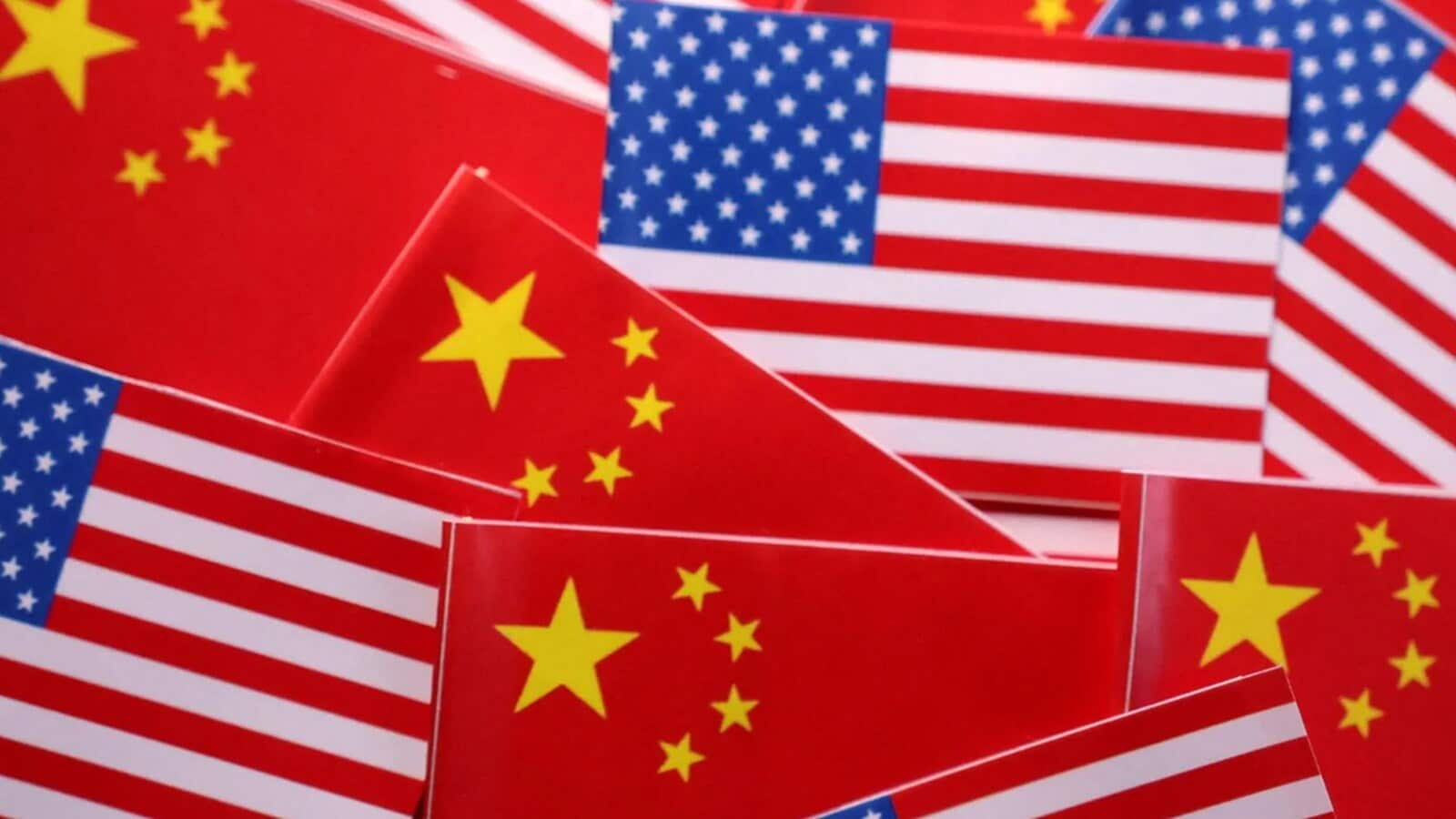
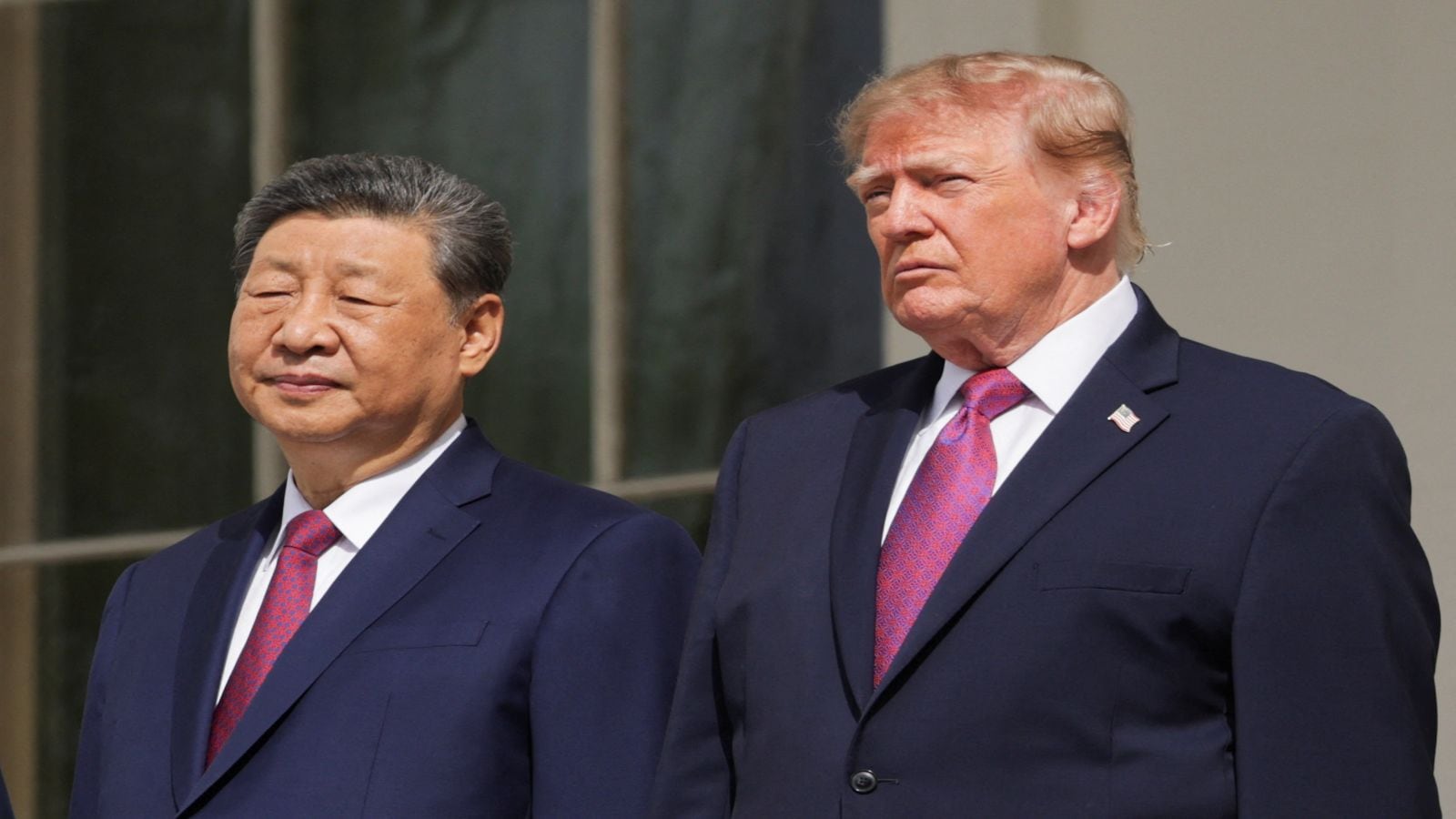
To understand the fragile truce forged between Donald Trump and Xi Jinping, you have to look past the podiums and the synchronized handshakes. You have to look at the ledger. For years, the world's two largest economic engines have been locked in a high-stakes standoff, trading tariffs like artillery shells. When the leaders finally pulled back from the brink to negotiate terms, they did not erase the tension. They institutionalized it. They replaced open economic warfare with a bureaucratic cold war, written in tariff codes and intellectual property clauses.
Consider a man named David. He is fictional, but his floor manager's insomnia is entirely real. David runs a mid-sized precision manufacturing plant in Ohio that supplies components for heavy industrial machinery. His supply chain crosses the Pacific twice before a single bolt is turned in his facility. When the sweeping tariffs hit during the initial trade clashes, David’s overhead spiked by twenty-five percent overnight. He didn't fire anyone. Not yet. Instead, he stopped hiring. He delayed the purchase of a new milling machine. He stared at his profit margins and watched them thin into a razor's edge.
When the truce was announced, David breathed a cautious, trembling sigh. The headlines shouted victory. The political pundits declared a cooling-off period. But David discovered the truth on a Tuesday morning when his customs broker sent him a three-page addendum regarding structural steel enforcement mechanisms.
Nothing was truly fixed. The rules had merely changed.
The Architecture of the Truce
To trace what Trump and Xi actually delivered, we have to separate the theater from the machinery.
The deliverables look impressive on paper. Tariff rollbacks were promised on select consumer goods. Purchases of American agricultural products—soybeans, pork, corn—were scaled upward to appease heartland constituents who bore the brunt of retaliatory strikes. In exchange, Beijing received temporary reprieves from scheduled escalations, breathing room for an economy navigating its own internal real estate turbulence and shifting demographics.
Yet, the core structural grievances remained untouched, parked neatly under the heading of pending negotiations. Intellectual property theft. Forced technology transfers. State subsidies for domestic tech giants. These are not line items that can be resolved with a handshake in a grand ballroom. They are fundamental disagreements over economic philosophy.
Imagine two players sitting across a chessboard. One plays by the rules of free-market capitalism, trusting the invisible hand. The other plays with a state-directed playbook, where the government owns the board, the pieces, and the clock. When they agree to a truce, they aren't agreeing on how the game should be played. They are simply agreeing not to flip the table over today.
This is the reality of what was delivered: a ceasefire disguised as a settlement.
The Cost of Waiting
While Beijing and Washington trade diplomatic notes, the real friction happens in the margins.
Take the technology sector, the invisible battleground where the future is actually written. Semiconductor manufacturing equipment, rare earth minerals, quantum computing patents—these are the modern equivalents of iron and oil. When the trade truce froze certain tariff hikes, it did not unfreeze the paranoia. Companies watched the diplomatic dance and drew their own conclusions.
Supply chains began to decouple not because politicians ordered it, but because corporate boards grew terrified of volatility. Reliability became more valuable than cost. Factories that once lived exclusively in coastal Chinese provinces sprouted quietly in Vietnam, in Mexico, in domestic industrial parks. This process, dryly termed "friend-shoring" by economists, feels entirely different on the ground. It looks like millions of dollars in capital expenditure spent not on innovation, but on duplication. Two supply chains for every product. Two sets of suppliers. Two ways to keep the lights on if a single official in Washington or Beijing decides to sign a punitive executive order.
The consumer pays for this redundancy, of course. Not all at once, but in the slow, persistent creep of everyday prices. A washing machine here, a smartphone there, an electric vehicle battery component somewhere down the line. It is a tax on uncertainty.
What Remains Pending
The word pending implies that something is merely delayed, waiting for the right moment to be completed. But in geopolitics, pending often means permanent.
The structural demands that the United States placed on China—demands for deep, systemic overhauls of how the Chinese state subsidizes its industrial champions—face a wall of ideological resistance. To dismantle state capitalism is, from Beijing's perspective, to surrender the very mechanism that lifted hundreds of millions of people out of poverty over the past four decades. It is an existential question.
On the American side, the political incentives point firmly toward continued vigilance, regardless of party lines. Being tough on trade is one of the few genuinely bipartisan consensus positions left in Washington. No administration can afford to look soft on manufacturing erosion or technological espionage. Consequently, the tariffs that remain in place act as a permanent baseline of distrust.
So what did Trump and Xi deliver? They delivered time.
They bought time for domestic political consumption. They bought time for corporations to re-route shipping lanes and rewrite procurement contracts. They bought time for a nervous global economy to avoid plunging off a cliff.
Down in his Ohio plant, David walks the floor after the evening shift has gone home. The hum of the CNC machines has died down to a low, rhythmic cooling fan drone. He picks up a forged steel bracket, turns it over in his calloused hands, and feels the weight of two superpowers resting entirely on his inventory sheet. He doesn't care about the communiques or the press briefings. He cares about tomorrow's manifest. He cares whether the next shipment clears customs before his cash flow runs dry. Outside, the night air turns crisp, carrying the distant whistle of a freight train rolling east toward the ports, weighed down by cargo, moving steadily through the dark.