When the thermal limits of cooling water intersect with the unpredictable fury of an uncontrollable wildfire, modern energy infrastructure reveals its most terrifying vulnerability.
The simultaneous crisis of a major nuclear plant closure in Central Europe and runaway wildfire destruction across Southern Europe lays bare an uncomfortable reality. Our continental power networks are fundamentally unprepared for a warming climate. We built these systems for a climate that no longer exists.
Energy grids operate on razor-thin margins of thermodynamic equilibrium. When ambient river temperatures spike or transmission lines burn, the entire edifice shakes.
The Thermodynamic Trap of Nuclear Power
People forget that nuclear reactors are massive thermal engines. They do not magically create electricity out of thin air; they split atoms to generate heat, boil water into steam, drive a turbine, and then reject the leftover thermal waste into the environment.
That rejection mechanism is the Achilles' heel. Reactors need a massive, continuous supply of cool water to maintain safe operating parameters.
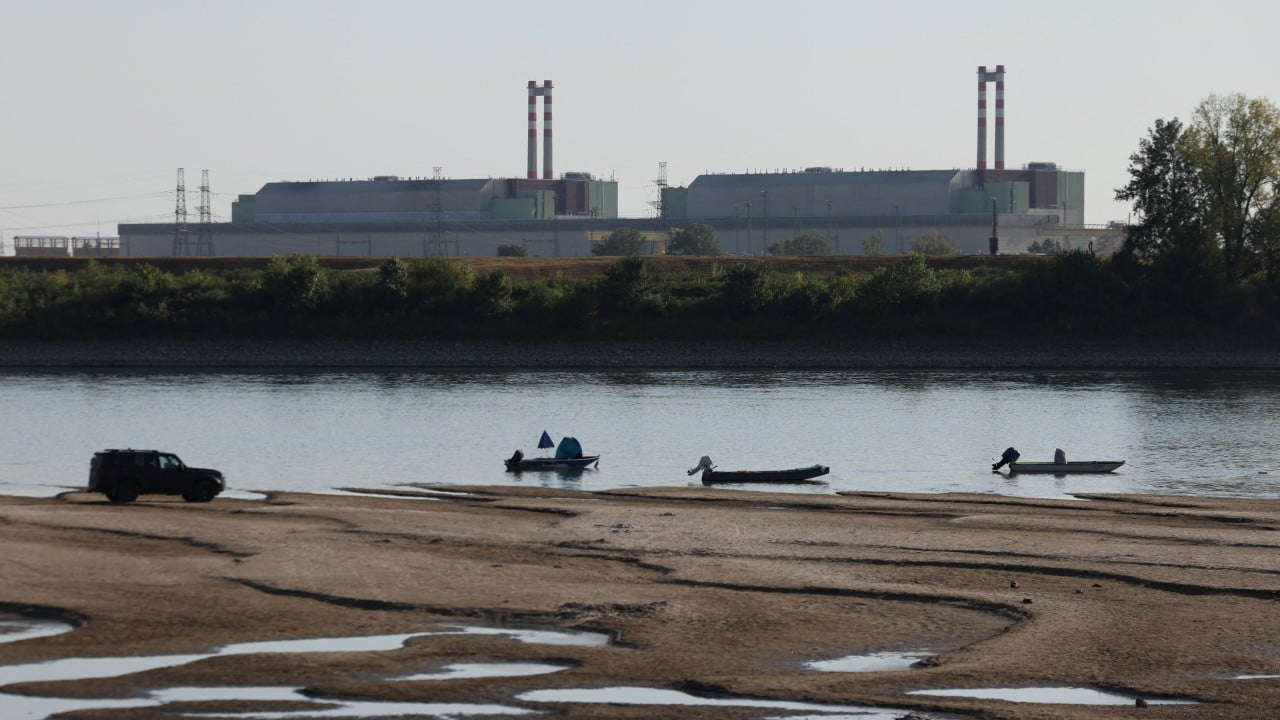
When summer heatwaves push rivers like the Danube or the Rhone to unprecedented temperatures, the cooling water loses its thermal capacity. Plant operators face an impossible choice. Continue running at full capacity and risk catastrophic overheating, or pull the control rods and shut the facility down.
Hungary knows this reality intimately. When ambient water temperatures rise too high, drawing cooling water from local rivers violates environmental protection laws designed to prevent aquatic ecosystems from boiling. But the alternative is worse. Push past thermal thresholds and watch safety margins evaporate.
Nuclear energy is often touted as the ultimate baseload saviour for a decarbonizing world. Yet, the physics of thermal generation do not care about political slogans. If the rivers are too warm, the atom stops splitting.
Fire on the Line
While Central Europe sweats over cooling water limits, the Mediterranean burns.
Wildfires are no longer seasonal anomalies. They are multi-front disasters that chew through forests, agricultural land, and critical electrical transmission corridors with terrifying speed.
When a raging crown fire approaches high-voltage transmission lines, the superheated air and ionized smoke particles create a conductive path to the ground. This triggers immediate safety trips at regional substations.
The grid protects itself by cutting power. But that leaves entire regions isolated just as demand for air conditioning skyrockets.
Greece experiences this brutal feedback loop every summer. The Hellenic landscape turns into tinder. Sparks fly, dry scrub ignites, and the fire fronts expand faster than emergency services can mobilize. As transmission towers succumb to the flames, regional grids fragment into isolated islands.
This creates a cascading failure mode. A wildfire knocks out a major transmission line. Power must be rerouted through secondary lines that are already operating near maximum capacity. Those secondary lines sag under the thermal load, touch nearby trees, and trip out as well. Within minutes, a local brush fire transforms into a regional blackout.
The Myth of the Hardened Grid
Governments love to announce multibillion-dollar grid modernization packages. They speak of smart meters, digital substations, and resilient architectures.
Most of this talk is administrative theater.
You cannot code your way around basic thermodynamics. A high-voltage cable strung across a dry pine forest will burn when exposed to a thousand-degree front. A concrete cooling tower will struggle when the intake river resembles a warm bathtub.
Utility executives spent decades optimizing grids for cost efficiency rather than climate resilience. Just-in-time generation, minimal reserve margins, and lean staffing models left no room for error. When compounding crises strike simultaneously, the system buckles.
Consider the logistical nightmare of maintaining grid assets across rugged terrain. Clearing brush underneath high-voltage lines is expensive, labor-intensive work. Environmental regulations often restrict tree-clearing near protected forests. Utilities are caught in a regulatory crossfire. Clear the trees and face lawsuits from conservationists. Leave the trees and watch the forest burn into your power lines.
There is no clean compromise here. There is only trade-offs measured in blackouts and billions of euros in economic damage.
The Industrial Fallout
Energy markets do not react well to surprises. When a major nuclear plant goes offline unexpectedly during a heatwave, wholesale electricity prices spike within seconds.
Industrial manufacturers bear the brunt of this volatility. Aluminum smelters, chemical plants, and steel mills cannot operate on flickering, overpriced power. When the grid wobbles, these heavy industries must curtail operations or face equipment damage.
This introduces a dangerous macroeconomic drag. Europe is trying to re-industrialize and secure its supply chains for advanced technologies. At the same time, the basic inputs required to run an industrial economy—stable, affordable electricity—are becoming violently erratic.
If a factory in Central Europe cannot trust the grid because neighboring countries are shutting down reactors to protect river ecosystems, capital flees. Companies will simply refuse to invest in regions where the lights might go out because the weather got too hot.
The Path Through the Fire
Fixing this mess requires abandoning comforting illusions.
First, water management must be integrated directly into energy policy. Nuclear facilities need alternative cooling loops, such as closed-cycle cooling towers, rather than relying exclusively on once-through cooling from vulnerable rivers. This requires massive upfront capital expenditure, but the alternative is permanent vulnerability to summer heatwaves.
Second, transmission hardening must move underground or into cleared, defensible utility corridors. Stringing high-voltage lines through dense, unmanaged forests in an era of mega-fires is operational malpractice. Burying lines is astronomically expensive and technically difficult in rocky terrain, but overhead lines in high-risk fire zones are ticking time bombs.
Third, decentralized generation must stop being a buzzword and start becoming a physical reality. Microgrids, local solar installations paired with battery storage, and localized wind generation can keep critical services running when the central transmission spine goes down. If a regional wildfire takes out a primary transmission corridor, local communities need the capacity to island themselves and keep hospitals, water pumps, and communication networks alive.
The convergence of nuclear shutdowns and wildfire chaos is not a black swan event. It is the new baseline. Every summer will test the structural integrity of our energy systems with greater intensity than the last.
The physics are unforgiving, the climate is volatile, and the time for half-measures has expired.