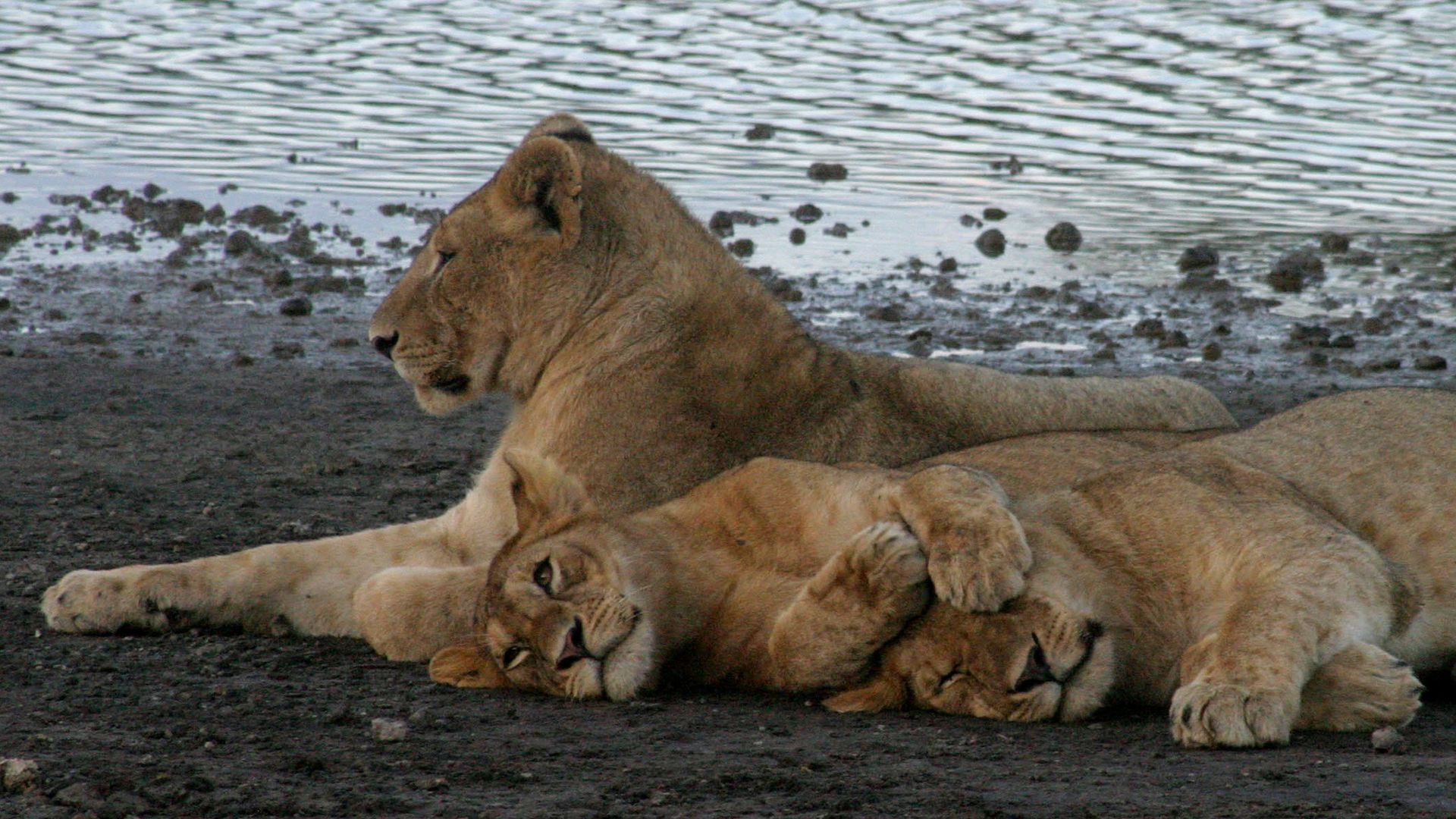
Ten magnificent apex predators wiped out in a single stroke. That is the brutal reality of what unfolded recently inside Tanzania's iconic Ngorongoro Conservation Area, where conservation authorities confirmed the deaths of ten lions following a suspected poisoning incident. When news broke from the Ndutu plains surrounding the famous volcanic caldera, it sent shockwaves through the global conservation community. We are looking at a devastating blow to one of Africa's most resilient yet heavily pressured wildlife populations. People see these majestic cats on documentaries, strolling effortlessly across golden savannahs, but the daily reality on the ground is starkly different and increasingly brutal.
To understand why this happened, you have to look past the picture-postcard images of safari trucks and tourist lodges. Honestly, the Ngorongoro Conservation Area is not a fenced-off national park where humans are absent. It is a unique multiple-land-use zone where indigenous pastoralist communities live alongside massive concentrations of wildlife. Herders bring their cattle, goats, and sheep down into the same pastures where lions hunt for survival. When a hungry pride targets valuable livestock, the economic impact on a local family can be catastrophic. A cow or goat represents a household's entire livelihood, savings, and survival mechanism in an unforgiving climate. That underlying economic tension creates an environment where retaliation becomes an option for desperate individuals, leading to tragic outcomes like this mass poisoning event. If you liked this piece, you might want to check out: this related article.
What Happened in Ngorongoro
Wildlife officials and park rangers stepped in immediately after the discovery, launching sweeping investigations to track down who administered the poison. Preliminary findings from the management authority point squarely toward deliberate ingestion, though experts continue piecing together the exact chemical agents used. Similar incidents across East Africa have often involved agricultural pesticides or banned substances deployed near livestock enclosures. What makes this particular case so alarming is the sheer scale. Losing ten individuals at once tears massive holes into the local social fabric of lion prides, which rely heavily on stable, multi-generational family structures to defend territory and raise cubs successfully.
The International Union for Conservation of Nature classifies African lions as vulnerable, with wild populations tracking downward across much of the continent due to habitat fragmentation, disappearing prey bases, and direct human-wildlife conflict. Tanzania holds a massive share of the remaining wild lion population, making every single loss a national and international tragedy. When an entire coalition of prime breeding adults or experienced hunters is wiped out, the shockwave ripples through the entire ecosystem. Other predators like leopards and hyenas face shifting territorial dynamics, while herbivore populations can experience localized imbalances when top-down ecological pressure suddenly vanishes. For another look on this story, see the recent coverage from Associated Press.
The Root Cause Behind the Conflict
Pointing fingers at local pastoralists solves nothing. Human-wildlife conflict is a systemic failure of resource management, community support, and economic protection frameworks. If rural communities bear the full financial burden of living alongside dangerous wildlife without adequate compensation systems or strong preventative infrastructure, tragedies will repeat themselves. Traditional bomas, which are thorn-fenced livestock enclosures, often fail against determined predators during dark nights. Modernizing these barriers with predator-proof fencing transforms the situation entirely, keeping cattle safe while preventing lions from accessing easy targets. Conservation groups have rolled out reinforced enclosures in various hotspots with great success, but scaling these solutions requires sustained funding, trust, and active cooperation from local residents.
We also have to talk about the broader availability of dangerous agricultural chemicals. In many rural farming and pastoral regions, highly toxic substances meant for crop protection or pest control are far too easy to acquire. When individuals choose to lace a livestock carcass with these poisons to kill predators, they rarely consider the catastrophic collateral damage. Vultures, hyenas, jackals, and insects feed on the same bait, creating a cascading wave of ecological death that poisons the surrounding soil and water tables. Law enforcement agencies must crack down hard on the illegal distribution and misuse of these lethal compounds, treating agricultural poison trafficking with the same severity as poaching syndicates.
Why This Crisis Extends Beyond Tanzania
Tourism boards and international advocacy groups often love celebrating Africa's wildlife numbers on paper, but they frequently disconnect from the gritty socioeconomic pressures faced by people living on the front lines. You cannot preach conservation to a farmer whose entire herd was slaughtered overnight unless you offer practical, immediate economic alternatives or insurance schemes that soften the blow. Without bridging that massive empathy gap, punitive measures alone will never stop retaliatory killings. Communities need to feel that living alongside lions brings tangible benefits rather than constant terror and financial ruin.
Looking at the broader picture, the Ngorongoro disaster serves as a harsh wake-up call for conservation strategies across the entire continent. Protected areas cannot survive as isolated islands surrounded by impoverished, resentful communities. Eco-tourism revenue must flow more directly into local pockets, funding schools, medical clinics, and livestock compensation funds that make wildlife a community asset rather than an enemy. If we fail to align the survival of majestic predators with the economic well-being of the people sharing their habitat, incidents like this will continue happening until there are no wild lions left to protect. The warning signs have been flashing red for years. Ignoring them now is no longer an option.