The coffee cup on the wooden table didn't just slide; it shattered.
For a second, there is only confusion. The air feels heavy, thick with an unnatural pressure that makes your ears pop. Then comes the sound—a deep, subterranean groan that vibrates straight through the soles of your shoes and up into your teeth. It sounds like a freight train rolling through a living room, except there are no tracks.
Earthquakes do not announce themselves with polite knocks. They arrive as an eviction notice.
When the earth shook in Panama, the immediate panic lasted seconds. But the aftermath stretched into hours of breathless uncertainty, dusty streets, and shattered glass. Telephones went dead. Power lines whipped through the air like frayed ropes before snapping. In the initial moments after a seismic jolt, the most terrifying thing is not the violence of the movement itself, but the suffocating silence that follows, broken only by car alarms wailing in the distance and the frantic shouts of neighbors calling out names.
We often talk about natural disasters in numbers. Magnitudes. Epicenters. Depths measured in kilometers. These figures are necessary for seismologists and emergency planners, but they are terribly cold shields against reality. They do not capture what it feels like to watch the walls of your childhood grocery store buckle outward. They do not measure the weight of concrete slabs settling over roads that families traveled just an hour earlier.
Consider what happens when the dust actually clears.
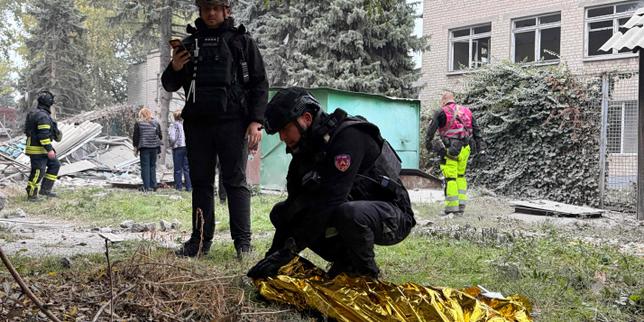
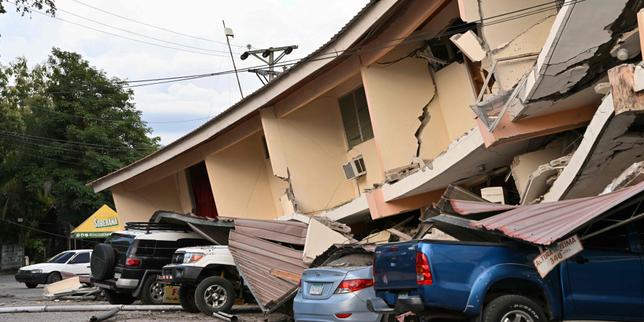
In the neighborhoods hit hardest by the tremors, the first light of inspection revealed cracked facades and masonry piled high on sidewalks. Store owners stepped out onto shattered thresholds, staring up at twisted metal signs swinging precariously above their heads. Schools stood empty, children having already been evacuated to open plazas where the sky felt safer than any roof.
Yet, resilience in Panama is not a theoretical concept. It is built into the rhythm of daily life. Within minutes of the shaking stopping, neighbors were checking on elderly residents. Shopkeepers swept up broken ceramic before checking their registers. People shared bottled water on curbsides, trading rumors about aftershocks while waiting for official word from civil protection agencies.
The structural damage documented in the initial photographs and reports tells a story of vulnerability, but also of engineering standards that held firm against catastrophe. Buildings shuddered, windows shattered, and old walls gave way, yet major infrastructure largely absorbed the blow. That distinction is the difference between a minor historical footnote and a tragedy of generational proportions.
Still, the psychological tremors linger long after the seismographs flatten out.
Tonight, families will sleep with one eye open, listening to the house settle, wondering if the next creak of timber is just the wind or the earth shifting beneath their feet again. That is the invisible tax paid by those who live in motion-prone zones. You learn to respect the ground beneath you, knowing intimately how fragile our permanence truly is.
The dust settles. The sirens fade into the background. But the horizon looks different now, altered by the sudden reminder that everything we build rests on very thin crust.