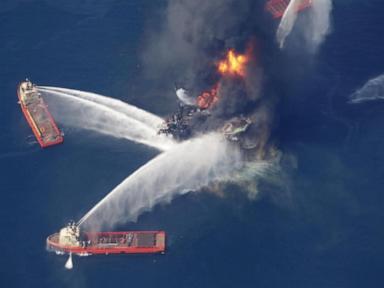
The surface sheen vanished years ago, yet the Gulf oil spill from the 2010 Deepwater Horizon blowout still leaves deep biological scars across the Gulf of Mexico. When the rig exploded and spilled roughly 134 million gallons of crude oil over 87 days, a lot of folks assumed nature would scrub the coast clean within a decade or two. It hasn't. New long-term research and federal monitoring show sharp, lingering drops in marine abundance, stunted recovery in coastal marshes, and multi-generational health hits for dolphins, sea turtles, and fish.
Honestly, treating a deepwater blowout like a temporary surface stain misses how the Gulf actually works. Crude oil didn't just sit on top of the waves and wash onto white sand beaches. It sank into oxygen-starved seafloor sediments, coated fragile marsh roots, and entered food webs at the larval stage where a tiny dose of polycyclic aromatic hydrocarbons can wreck a developing heart.
Why Gulf Marine Life Has Not Bounced Back
A headline study reported in late 2026 found that marine life abundance in the Gulf of Mexico dropped by roughly 60% after the Deepwater Horizon disaster and had not fully recovered in the years that followed. Researchers tracking fish, cephalopods, and other open-water species ruled out basic shifts in temperature, oxygen, or food supply as the primary trigger, pointing straight back to the spill and its lingering ecosystem effects. Even when slight upticks appeared in certain sampling years like 2022 and 2023, overall populations stayed well below pre-spill baselines.
That kind of persistence surprises people who expect a warm, dynamic ocean to flush toxins out quickly. Out in the open Gulf, deep-sea corals and seafloor communities grow slowly and sit in cold, low-energy water where heavy oil residues break down at a crawl. Federal assessments from the National Oceanic and Atmospheric Administration (NOAA) have long noted that certain seafloor habitats and protected marine mammals face recovery timelines spanning decades—and in some cases up to a century or more without active restoration.
Narrowed genetic diversity makes recovery even trickier. When a massive share of a local population dies off or stops reproducing at normal rates, the remaining gene pool shrinks. Fewer breeding adults means less genetic resilience when a new marine disease, heatwave, or storm rolls through years later.
Marsh Erosion and Hidden Food Web Damage
If you walk or boat along Louisiana's marshes—places like Barataria Bay—you see the real engine of Gulf productivity. Salt marshes hold sediment together with dense root networks and shelter juvenile shrimp, crabs, and fish. When oil smothered marsh vegetation, grasses died back and roots weakened. Along roughly 100 miles of Louisiana shoreline, erosion rates roughly doubled for at least three years after the spill, accelerating land loss in a state that was already bleeding wetlands.
Once marsh edge erodes into open water, you can't just wish the land back. Wave action chews away exposed peat and mud, shrinking nursery habitat for future generations of coastal wildlife. NOAA's Natural Resource Damage Assessment (NRDA) documented massive early losses across the Gulf: billions of harvestable oysters lost, tens of thousands of birds and small juvenile sea turtles killed, and trillions of newly hatched fish larvae exposed during vulnerable life stages.
What Happens to Dolphins, Turtles, and Larval Fish
Coastal bottlenose dolphins in spots like Barataria Bay and Mississippi Sound took a brutal beating. According to NOAA Fisheries, injured dolphin stocks experienced roughly 35% higher mortality than expected, 46% higher rates of failed pregnancies, and lung and adrenal damage tied to oil exposure. Pregnant females carrying calves into toxic waters faced heartbreaking odds, and recovery for affected cetacean groups is measured in decades.
Larval fish and embryos face a different hazard. Laboratory and field studies funded through NRDA showed that crude oil and sunlight together—photo-enhanced toxicity—can increase harm to early-life fish like mahi-mahi, red drum, and speckled seatrout, causing fluid buildup around developing hearts and slower swimming performance. A fish that swims slightly slower or struggles to pump blood efficiently doesn't last long in a predator-filled ocean.
At the same time, it's worth being straight about what the data actually shows. Some commercially harvested adult fish stocks did not show a clear, permanent collapse across the board in federal fishery assessments, even though individual fish caught in oiled zones sometimes showed lesions, fin rot, or liver contamination. Science on large marine ecosystems is messy, and disentangling oil impacts from hurricanes, freshwater diversions, overfishing, and warming waters takes years of careful sampling.
The Cleanup Worker Health Toll Nobody Wants to Forget
Ecological charts only tell half the story. Thousands of people worked on boats, beaches, and marshes during the response, often in sweltering heat while breathing volatile hydrocarbons and dispersant mists. Follow-up medical research on cleanup workers has pointed to persistent respiratory issues, sinus inflammation, liver and blood marker shifts, and mental health strain in affected Gulf communities.
I've seen how easy it is for public attention to move on once the news cameras pack up. Yet chronic airway problems or long-term anxiety don't clock out when a settlement fund is announced. Long-term worker surveillance matters because oil spill hazards aren't purely environmental—they're occupational and public health problems too.
Practical Steps You Can Take Right Now
You don't have to live on the Gulf Coast to engage smartly with Gulf recovery or make informed choices. Here's what actually makes sense if you care about this issue or plan to spend time on the water:
- Follow primary monitoring, not hot takes. Check NOAA's Deepwater Horizon restoration portal and peer-reviewed summaries rather than viral clips that exaggerate or downplay findings. Look at sample sizes, time frames, and baselines before forming an opinion.
- Support habitat restoration that fixes root causes. Marsh planting, oyster reef rebuilding, and sediment diversion projects tackle structural damage directly. If you donate to conservation groups, look for measurable acreage restored or oyster reef acres rebuilt rather than vague awareness campaigns.
- Boat and fish responsibly in sensitive estuaries. If you're out on Gulf or coastal waters, keep a wide buffer around dolphins, sea turtles, and nesting birds, follow local catch limits, and pack out all line and trash. Small local stressors pile up fast on already stressed populations.
- Advocate for stronger worker protection and baseline data. Disasters happen faster than baseline environmental surveys. Backing long-term ocean observing networks and strict respiratory and chemical safety standards for spill responders protects both ecosystems and people.



