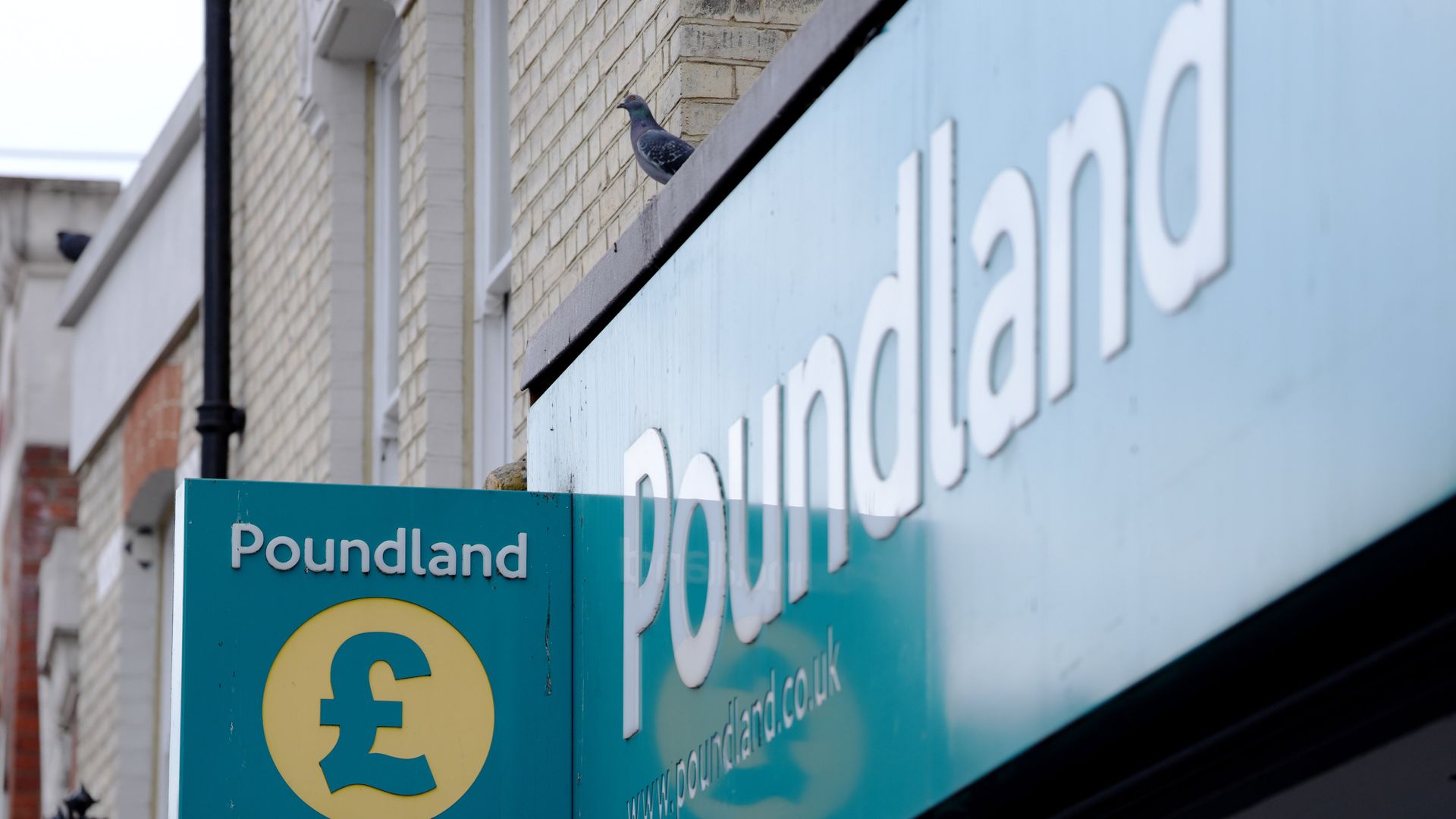
Everybody loves a dramatic retail rescue story, especially when a British high street staple is staring down the barrel of a messy restructuring. When news broke that a Gulf wholesaler had made a late entry in the dash to save Poundland, the immediate reaction from most armchair analysts was pure confusion. Why would a Middle Eastern distribution giant care about a struggling UK discount chain famous for £1 toothpaste and bargain-bin snacks?
Because retail survival isn't about storefronts anymore. It's about supply chains.
If you look past the nostalgic attachment British shoppers have to Poundland, you'll see an asset that looks completely different from a wholesaler's desk in Dubai or Riyadh. For a Gulf distributor sitting on massive purchasing power and global logistics routes, a distressed UK retailer with hundreds of physical locations isn't a charity case. It's an instant distribution network in Western Europe.
Let's unpack what is actually driving this late bid, why traditional private equity buyers have been hesitant, and what a Gulf-backed takeover would mean for the future of discount retail in the UK.
What Most People Get Wrong About Distressed UK Retail
When a major high street chain hits financial turbulence, the public narrative usually blames the same three culprits. Online shopping killed it. Business rates strangled it. Inflation scared off shoppers.
Those factors hurt, sure. Nobody is denying that running 800-plus brick-and-mortar stores across the UK and Ireland is brutally expensive when energy bills spike and minimum wage hikes squeeze store-level margins. Poundland's parent group, Pepco, has openly wrestled with these exact headwinds, watching like-for-like sales slip as grocery giants like Aldi and Lidl aggressively undercut traditional variety discounters on everyday essentials.
Here's the catch. Financial distress at the corporate parent level doesn't mean the underlying retail footprint is worthless.
Think about what Poundland actually owns in terms of operational infrastructure. It has prime high street and retail park real estate across almost every mid-sized town in Britain. It has millions of weekly footfall transactions. Most importantly, it has an established customer base that actively hunts for low-priced fast-moving consumer goods (FMCG).
Traditional financial buyers—your standard London or New York private equity funds—look at Poundland and see a margin problem. They see rising labor costs, sluggish store growth, and fierce competition from B&M and Home Bargains. To make the math work, a private equity firm usually has to slash headcount, close underperforming branches, and squeeze suppliers until they bleed.
A trade buyer, especially an international wholesaler, runs completely different math.
Why a Gulf Wholesaler Wants a British High Street Chain
Wholesalers live and die by volume. Their entire business model depends on moving massive quantities of goods through tightly controlled logistics corridors, capturing fractions of a penny on millions of units.
Over the past decade, major wholesale and distribution conglomerates across the Gulf Cooperation Council (GCC) have grown enormously. Driven by regional economic diversification and booming domestic consumption in the UAE and Saudi Arabia, these firms have built sophisticated global sourcing networks spanning Asia, Europe, and the Middle East. They buy directly from manufacturers in bulk at prices a standalone European retailer could rarely negotiate on its own.
Now put yourself in the shoes of a Gulf wholesale executive looking for growth outside the Middle East.
Building a retail presence in the UK from scratch is a nightmare. Finding 500 viable retail leases, navigating British planning laws, hiring tens of thousands of staff, and spending tens of millions on brand awareness would take a decade and burn a mountain of cash.
Acquiring a distressed chain like Poundland solves every single one of those problems overnight.
Instant Vertical Integration
When a wholesaler buys a retailer, magic happens on the balance sheet. Suddenly, the buyer doesn't need the retail stores to generate massive standalone profit margins right away. Why? Because the wholesale parent makes money every time it ships a container of household goods, packaged foods, or seasonal merchandise into the retail chain's distribution centers.
In retail economics, this is classic vertical integration. By controlling both the wholesale procurement and the final point of sale, the combined entity eliminates middleman markups.
Consider how Poundland stocks its shelves. A huge percentage of its inventory consists of branded FMCG items—think laundry detergent, confectionery, toiletries, and soft drinks—alongside own-label general merchandise sourced from Asia. A Gulf wholesaler with existing deep relationships with global FMCG giants like Unilever, Procter & Gamble, and Nestlé can bundle UK order volumes with Middle Eastern order volumes. Bigger orders mean steeper rebates, better payment terms, and priority inventory allocation when supply chains get tight.
Currency and Geographic Diversification
There's also a macro angle that rarely gets discussed in local retail press. Gulf currencies like the UAE dirham and the Saudi riyal are pegged to the US dollar. While that provides tremendous stability at home, large family-owned conglomerates and institutional wholesalers in the Gulf actively seek hard-currency revenue streams in mature Western markets.
Acquiring a major British retail footprint gives a Gulf operator immediate exposure to the UK consumer market at a distressed valuation. When a business is up for grabs in a rushed sale or restructuring process, the entry price drops dramatically compared to buying a healthy market leader. You're essentially buying decades of brand equity and real estate leases at a steep discount, betting that your superior supply chain mechanics can nurse the asset back to health.
The Risks of Jumping Into the Race Late
Making a late entry into a competitive rescue process isn't without serious traps. Deal timelines in retail restructurings move fast, often dictated by quarterly rent deadlines, supplier credit insurance renewals, and debt covenants.
When a buyer enters late, due diligence gets compressed. You have days or weeks, not months, to audit hundreds of individual store leases, pension liabilities, warehouse automation contracts, and tax obligations. In UK retail, lease liabilities are the silent killer. A chain might have 600 profitable stores and 200 money-losing anchor sites locked into upward-only rent reviews signed ten years ago. If a buyer fails to ring-fence those toxic leases during the acquisition structure, the turnaround stalls before it even starts.
Then there is the cultural and operational gap.
Running a wholesale distribution empire in Dubai or Jeddah is worlds apart from managing 15,000+ retail employees across British high streets. UK retail labor laws are strict. Union dynamics, business rates valuations, local council regulations, and consumer tastes require seasoned local management.
History is littered with wealthy overseas buyers who swooped in to rescue iconic British retailers, assumed they could run them from afar, and watched millions evaporate. Look at what happened with several high-profile department store and fashion chain takeovers over the last fifteen years. Without an experienced UK retail leadership team firmly in the driver's seat, an overseas wholesaler risks misunderstanding why British shoppers actually walk through Poundland's doors.
How Poundland Lost Its Edge in the First Place
To fix Poundland, any new owner has to confront the identity crisis that put the chain in trouble.
For years, Poundland's proposition was dead simple. Everything cost £1. You didn't need to check price tags. You walked in, grabbed what you needed, and knew exactly what the total would be at the till. That simplicity built fierce customer loyalty, especially during the 2008 financial crisis when middle-class shoppers suddenly embraced discount stores without stigma.
Then inflation broke the single-price model.
Once wholesale costs rose past the point where selling an item for £1 was profitable, Poundland had to abandon its foundational promise. Multi-tier pricing arrived. Items started selling for £1.50, £2, £5, and beyond. On paper, raising price points made complete financial sense. In practice, it stripped away the brand's unique selling point.
The moment Poundland stopped being a true £1 store, it entered a direct street fight with much bigger, better-capitalized rivals.
- B&M and Home Bargains already dominated the out-of-town retail park space with larger footprints, wider product ranges, and stronger garden and homeware offerings.
- Aldi and Lidl crushed everyone on core grocery prices while offering higher perceived quality on fresh food and private-label staples.
- Supermarkets like Tesco and Sainsbury's rolled out aggressive loyalty card pricing (Clubcard and Nectar) that matched discounters penny-for-penny on everyday household brands.
Poundland got caught in the middle. It was too small to match B&M's warehouse-style variety, too expensive on groceries compared to Aldi, and no longer cheap enough to win on impulse novelty alone.
What a Wholesale-Led Turnaround Would Actually Look Like
If the Gulf wholesaler pulls off this late bid and takes control, don't expect flashy rebrands or expensive store makeovers right away. Wholesalers are pragmatists. Their playbook for fixing a bruised discount retailer usually focuses on three brutal, unglamorous levers.
1. Ruthless SKU Rationalization
Walk into an underperforming discount store and you'll often see bloated inventory—dozens of slow-moving variations of the same basic product clogging up stockrooms and tying up working capital. A wholesale operator will immediately strip out low-margin, slow-turning stock-keeping units (SKUs). They'll double down on high-velocity essentials—cleaning supplies, toiletries, snacks, basic household hardware—where their bulk buying power creates an immediate cost advantage.
2. Aggressive Private-Label Expansion
Branded goods bring shoppers through the door, but private-label products pay the rent. Because Gulf wholesalers frequently source directly from manufacturers in China, India, Turkey, and Southeast Asia for their own regional distribution networks, they can inject high-margin own-brand goods straight into Poundland's supply chain. If they can source kitchenware, stationery, or seasonal decor 15% cheaper than Poundland's current procurement team, that margin flows straight to the bottom line without raising prices for cash-strapped British shoppers.
3. Rebuilding Supplier Confidence
When rumors swirl around a retailer's financial health, credit insurers get nervous. They pull coverage for suppliers, forcing the retailer to pay cash up front for inventory instead of enjoying standard 60- or 90-day payment terms. That cash crunch starves shelves of stock, accelerating the downward spiral. A cash-rich Gulf parent stepping in immediately restores balance-sheet credibility. Once suppliers know their invoices are backed by a major international conglomerate, credit lines reopen, stock levels recover, and empty shelves disappear.
The Bigger Picture for British High Streets
Whether this specific Gulf bidder crosses the finish line or another suitor edges them out, the mere fact that Middle Eastern wholesalers are circling distressed UK retail chains tells you where global retail power is shifting.
Western European retail assets are currently trading at generational lows relative to their physical footprint and revenue scale. Meanwhile, capital-rich operators from the Gulf, Asia, and North America are hunting for hard infrastructure that can't be replicated digitally. You can build an e-commerce website in a weekend, yet you cannot easily replicate 800 physical storefronts positioned in the heart of British towns.
If you're watching this deal unfold—whether as a retail investor, a supplier, or just someone wondering if your local high street is about to lose another anchor tenant—keep your eye on the supply chain mechanics rather than the headlines. Whoever wins Poundland won't save it through clever marketing campaigns. They'll save it in the warehouse, at the port, and on the procurement spreadsheet.
Watch how quickly supplier credit stabilizes once a buyer is named, and pay close attention to store lease renegotiations over the next six months. If the new owner manages to shed the worst-performing 15% of leases while plugging the remaining stores into an international wholesale network, Poundland won't just survive. It could quietly become one of the sharpest turnaround plays in European retail.