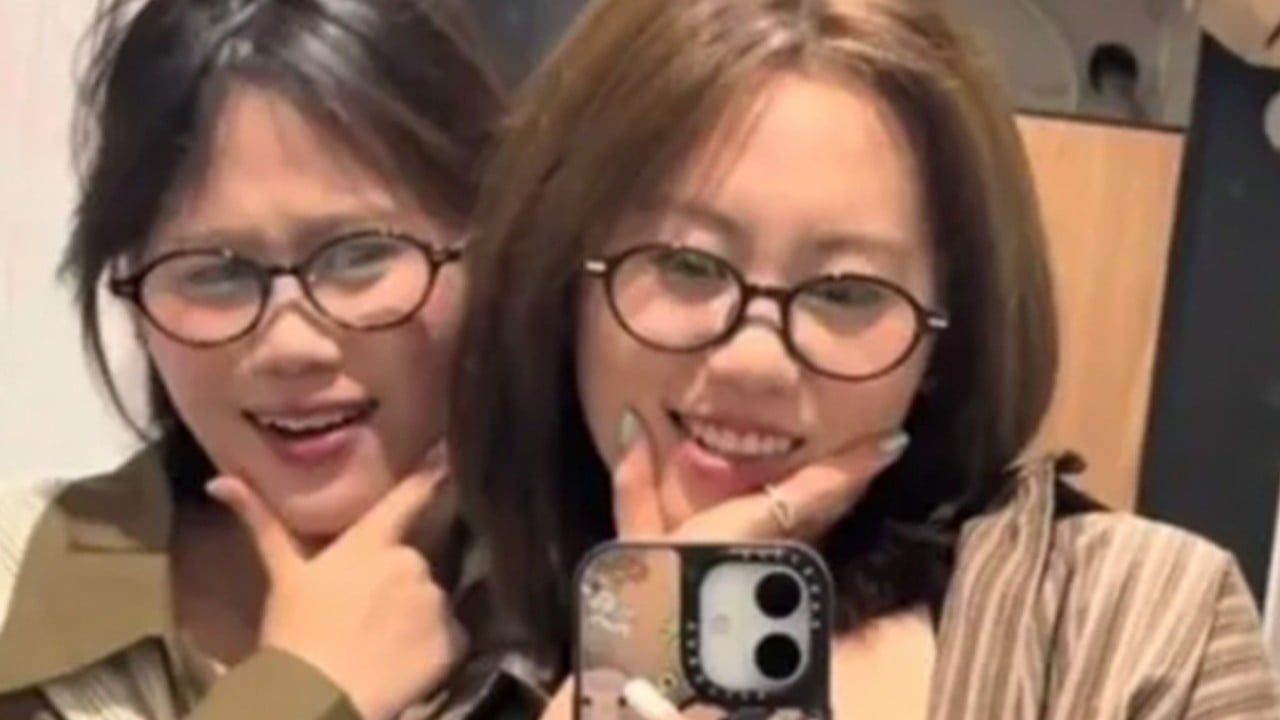
Imagine scrolling through your phone on a Tuesday night and seeing your own face staring back at you from a stranger's account. That exact scenario is driving some of the most emotional viral stories in China right now, where Chinese women believe they are long-lost twins after a chance sighting in a short video.
It sounds like a scripted soap opera. Honestly, when I first started tracking viral family reunions on platforms like Douyin and Kuaishou a few years ago, I assumed half of them were staged for clicks. Some certainly were. Yet a surprising number turned out to be completely real, backed by DNA tests and decades-old adoption records.
When two strangers spot their identical reflection on a vertical video feed, the internet goes wild. Behind the millions of views and tearful livestreams sits a fascinating intersection of recommendation algorithms, facial recognition habits, and the complex history of domestic adoptions in China.
Why Short Video Algorithms Act Like Digital Matchmakers
Most people think of short video feeds as pure entertainment. You watch a cooking clip, laugh at a cat video, and move on. Underneath that surface, platforms like Douyin (the Chinese sister app to TikTok) run aggressive visual and behavioral clustering models.
These systems don't just track what you like. They analyze visual features in the videos you pause on, including faces, regional accents, background environments, and even subtle mannerisms. If two women share nearly identical bone structure, vocal cadence, and regional dialect cues, the algorithm doesn't know they are related. It just knows their content appeals to the exact same micro-audience.
That creates a weird statistical funnel. Friends, coworkers, or local followers of Woman A start getting served videos of Woman B because the system registers near-identical visual vectors. Suddenly, someone sends a direct message asking, "Why did you start a second account?"
Look at how this played out in one of the most documented cases in China. In 2021, a woman named Cheng Keke in Henan province was scrolling through Douyin when friends kept sending her clips of another user, Zhang Li. They looked identical. They had the same dental quirks, the same facial moles, and even the same way of laughing.
When they finally connected over video chat, they realized they had the exact same birthday and blood type. Both had been adopted as infants. A formal DNA test confirmed they were identical twins separated shortly after birth.
The Role of User Behavior in Spotting Doppelgängers
Algorithms provide the spark, but human obsession fuels the fire. Short video users in China treat viral mysteries like a collective detective game.
Once a clip showing two uncanny lookalikes gains traction, commenters immediately dissect every frame. They compare ear shapes, hairline patterns, birthmarks, and regional slang. In many cases, the women themselves don't even spot the original video first—an observant follower tags both accounts in the comments section, forcing a digital collision.
What Most People Get Wrong About Viral Twin Sightings
Whenever a story breaks about Chinese women believing they are long-lost twins after a chance sighting in a short video, Western commentators usually jump to one of two conclusions. Either they assume it's a coordinated influencer stunt, or they blame everything on a single historical policy. Both takes miss the bigger picture.
First, let's address the fake-video skepticism. Yes, clout-chasing is massive on every social network. Creating fake "long-lost sibling" skits happens. The difference with genuine cases is how quickly offline verification enters the chat. In China, once a twin reunion goes viral, local journalists and police bureaus often step in to help facilitate official DNA testing through public security databases. Fake accounts evaporate the second medical proof gets mentioned.
Second, people oversimplify why twins were separated in the first place. While strict family planning rules in the 1980s and 1990s definitely played a major role in informal adoptions, poverty, lack of rural medical infrastructure, and private family arrangements were just as common.
In many rural areas decades ago, families struggling to feed multiple newborns—especially twin girls—quietly arranged informal adoptions through neighbors, midwives, or distant relatives. There were no centralized digital birth registries in small villages. Often, the adoptive parents never told the children they were adopted, which explains why these women react with genuine shock when a mirror image pops up on their screen.
How DNA Databases and Social Media Work Together Now
Finding a lookalike online is only step one. Believing you are twins is an emotional rush, while proving it requires cold, hard biology.
In recent years, China's Ministry of Public Security expanded its national anti-abduction and missing persons DNA database, widely known through initiatives like the "Tuanyuan" (Reunion) campaign. While originally designed to combat child trafficking, these regional DNA collection points have become a massive resource for adoptees trying to verify biological ties after meeting online.
When two women suspect they are separated twins from a short video, the verification process usually follows a predictable path:
- Cross-checking basic biographical markers. They compare reported birth dates (keeping in mind that adoptive parents often used the day of adoption as the official birthday), blood types, and early childhood medical histories.
- Comparing subtle physical traits. Identical twins share the same DNA, meaning features like ear cartilage folds, fingerprint ridge counts, and hereditary dental alignments match closely even when raised in different provinces.
- Submitting blood samples for forensic STR analysis. Short Tandem Repeat (STR) testing at an accredited forensic lab or police blood collection station provides definitive proof of monozygotic (identical) or dizygotic (fraternal) twin status.
Sometimes, the tests deliver a plot twist. There have been documented cases where two women looked like absolute carbon copies on Douyin, shared similar adoption timelines, and grew up in neighboring provinces, only for DNA testing to prove they weren't related at all. Unrelated doppelgängers happen, especially in massive populations where facial feature combinations naturally repeat.
The Psychological Shock of Finding an Instant Twin
We love the happy-ending montage. Two women run toward each other at a train station, hold hands, cry, and start filming joint videos. Real life is way messier than a 60-second highlight reel.
Think about what happens to your sense of identity when you discover at age 25 or 30 that your entire life story was edited before you could speak. For many of these women, the shock isn't just meeting a sister. It's realizing that the parents who raised them kept a massive secret for decades.
Adoptive parents often panic when a video goes viral. They fear losing the daughter they raised, or facing social judgment from neighbors who never knew the child was adopted. Meanwhile, the twins themselves have to navigate sudden internet fame while processing complex grief, loyalty conflicts, and questions about their birth parents.
In several high-profile reunions, the twins quickly discover uncanny behavioral parallels that go way beyond looks. They often share identical food aversions, similar career paths, and matching sleep habits—echoing decades of twin research conducted by institutions like the Minnesota Center for Twin and Family Research, which has long studied how genetics influence personality traits even when siblings grow up completely apart.
Practical Steps If You Suspect a Viral Video Shows a Lost Relative
If you or someone you know spots an uncanny lookalike on a short video platform and suspects a biological connection, don't let the excitement derail basic privacy and verification steps. Viral attention moves fast, and handling the first 48 hours properly protects everyone involved.
- Archive the original video immediately. Creators frequently delete clips or set accounts to private once comments spiral out of control. Save the video and record the user ID before the algorithm buries it.
- Move the conversation off public comments. Public comment sections attract scammers, fake relatives, and aggressive livestreamers trying to hijack the story. Switch to private messages and verify basic details like blood type and approximate birth region before sharing sensitive family documents.
- Avoid paying private "DNA agents" online. Whenever a reunion story trends, fraudulent agencies pop up offering fast-track paternity or sibling kits for steep fees. Always use accredited hospital forensic departments or official public security blood collection centers, which frequently offer free DNA matching for suspected separated relatives.
- Prepare adoptive family members gently. Before going live on social media or speaking to local reporters, have a private, reassuring conversation with the parents who raised you so they aren't blindsided by strangers showing up at their door.
Short video apps weren't built to repair decades-old family separations, yet their visual algorithms keep accidentally doing what formal paper records never could. Whether a chance sighting on your screen leads to a confirmed twin or just an astonishing stranger, treat the discovery with patience, verify the science before celebrating, and protect your private life before hitting record.