Military aviation is a high-stakes gamble where the house usually wins. When reports surfaced about a US fighter pilot ejecting from an aircraft over Iranian territory, the global digital space exploded. This wasn't just a mechanical failure. It was a geopolitical nightmare caught in real-time. The most chilling detail from the reports? Local residents were allegedly told to shoot on sight. That changes the narrative from a search-and-rescue mission to a desperate survival scenario in hostile terrain.
You have to understand the sheer speed of these events. One moment, a pilot is managing complex systems in a multi-million dollar cockpit. The next, they're hanging from a parachute, looking down at a landscape where they are the primary target. It's the ultimate test of the SERE (Survival, Evasion, Resistance, and Escape) training every American aviator undergoes. But no amount of training prepares you for a "shoot on sight" order broadcast to an entire region.
Breaking Down the Iran Ejection Incident
The report claims a US aircraft suffered a catastrophic failure or was engaged while operating near or over Iranian airspace. When a pilot pulls that ejection handle, they're trading a failing machine for a very uncertain future on the ground. Iran’s internal security forces don't play by international norms when they feel their sovereignty is threatened. By urging civilians to take up arms against a downed pilot, the authorities effectively bypassed the Geneva Convention's protections for shipwrecked or downed airmen.
This isn't the first time we've seen tensions boil over in this specific corridor. The Persian Gulf and the surrounding borders are some of the most heavily monitored patches of dirt on the planet. If a pilot goes down there, everyone knows within seconds. The "shoot on sight" directive isn't just a threat to the pilot; it's a propaganda tool. It turns a military accident into a civilian mobilization effort. It makes the pilot a symbol of "invasion" rather than a human being in distress.
Why Shoot on Sight Orders Change Everything
Standard protocol for a downed pilot involves staying hidden and moving toward a designated recovery point. But when the local populace is actively hunting you, concealment becomes nearly impossible. Most people don't realize how loud and obvious an ejection is. You have a massive parachute drifting slowly to earth, a bright orange or white canopy that screams "I'm here."
In a typical environment, a pilot might hope for a sympathetic local or at least someone willing to trade for information or safety. Iran's reported stance removes that hope. By telling people to shoot, the government ensures that the pilot cannot be captured and used as a bargaining chip by any faction other than the central military. It’s a scorched-earth policy for personnel.
The technical side of this is just as grim. A pilot ejecting at high speeds faces massive G-forces. They often land with broken bones, concussions, or spinal compression. Now, imagine trying to evade an armed civilian militia while you can barely walk. That’s the reality these reports are describing. It’s brutal. It’s fast. And it’s incredibly dangerous for regional stability.
Geopolitical Fallout of a Downed Aviator
If a US pilot is killed on the ground by civilians following a government order, the response from Washington wouldn't be a simple diplomatic protest. We're talking about a massive escalation. The US military operates under a "leave no man behind" ethos that is baked into their DNA. If a pilot is down, the Combat Search and Rescue (CSAR) teams are already spinning up their rotors.
The CSAR Response
Combat Search and Rescue is the most dangerous mission in the Air Force. You’re flying slow-moving helicopters or tilt-rotor aircraft into the same "hot" zone that just downed a supersonic jet.
- Risk Assessment: Every minute the pilot is on the ground, the risk of capture or death triples.
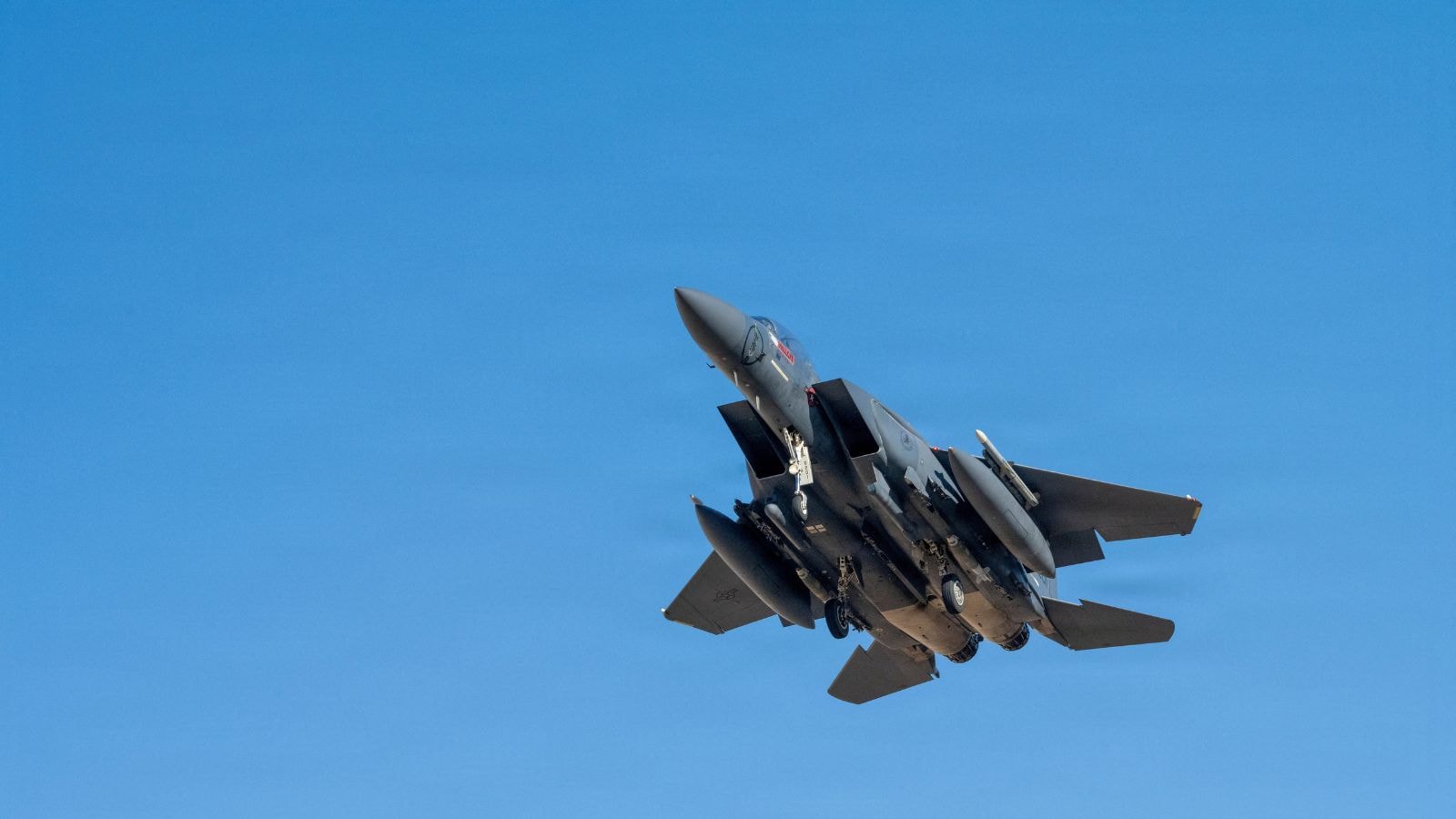
- Asset Deployment: A CSAR mission usually involves A-10 Warthogs or F-15Es for close air support to keep the "shoot on sight" crowds away.
- The Window: The first hour is everything. After that, the chance of a successful recovery drops off a cliff.
The reports of people being urged to kill the pilot suggests that Iran wanted to prevent a rescue mission at all costs. If the pilot is dead, there’s no one to rescue. It simplifies the problem for the Iranian military but complicates it for the rest of the world. A dead pilot is a martyr; a captured pilot is a hostage. Both lead to war.
Tactics of Evasion in Hostile Territory
When you're the one in the dirt, your world shrinks to about fifty feet in front of you. US pilots carry a survival vest packed with gear: a radio, signaling mirrors, water purification tablets, and a sidearm. But a 9mm handgun isn't going to do much against a crowd with rifles.
The strategy is simple: move at night, hide during the day. But Iran's terrain is unforgiving. High deserts and rocky mountains offer little cover from thermal imaging or drones. If the reports are true and the "shoot on sight" order was widespread, the pilot was likely dealing with "saturation" searching. This is where security forces and civilians form lines and literally walk through an area until they find what they're looking for. It's primitive, but it works.
We also have to look at the "Report" mentioned in the headlines. Often, these stories originate from state-aligned media or Telegram channels used for psychological operations. It’s possible the "shoot on sight" order was a bluff designed to scare the pilot into making a mistake or to deter US rescue teams from entering the airspace. In the world of intelligence, a lie is just as useful as the truth if people believe it.
The Equipment Failure or Hostile Fire Debate
Was the plane shot down? Or did it just break? The report is vague. If it was a mechanical failure, the US has a slightly better chance at de-escalation. If it was a surface-to-air missile (SAM), we are in a different league of trouble.
Iran’s air defense network has grown significantly over the last decade. They use a mix of old Russian tech and modernized domestic systems like the Bavar-373. These systems are designed to hit high-altitude targets. If a pilot had to eject, it means the aircraft was either hit or suffered a "Class A" mishap that made it unflyable.
Regardless of why the plane went down, the treatment of the pilot is what matters now. International law is clear: once a pilot is out of the fight and in a parachute, they are a non-combatant. Targeting them is a war crime. But international law doesn't mean much when you're on the ground in a country that views you as the Great Satan.
Real-World Consequences for Pilots
I've talked to guys who have flown these routes. They don't think about the politics. They think about the "switchology" and the mission. But in the back of every pilot's mind is the ghost of Scott O'Grady or the crew of the downed Black Hawk in Mogadishu. They know that the moment they leave that jet, they are the most valuable and vulnerable person in the country.
The "shoot on sight" report, if verified, represents a breakdown in the unspoken rules of engagement. Usually, even bitter enemies want a live prisoner. A live prisoner is a chip. A dead body is just a liability. If Iran truly moved to a "kill immediately" stance, it suggests a level of desperation or a shift in leadership that should worry everyone in the Pentagon.
The Truth Behind the Headlines
Often, these reports are used to gauge the reaction of the American public. Is there an appetite for a rescue mission that might start a war? Or is the public tired of Middle Eastern entanglements? By putting out a story that says "they're going to kill our pilot," the source is trying to trigger an emotional response.
Don't take the report at face value without looking at the source. If it's coming from a fringe news site with no corroboration from the Department of Defense, it might be "chaff"—electronic or digital noise meant to distract. But if the DoD remains silent while regional sources confirm the mobilization of local militias, the situation is likely as dire as it sounds.
Immediate Steps for Fact Checking This Crisis
When news like this breaks, the vacuum of information is filled with garbage. You need to look for specific markers to see if this is a real escalating conflict or a blip.
- Monitor FlightRadar24: Look for unusual patterns of "dark" aircraft or heavy tanker activity near the borders. Rescue missions require massive aerial refueling support.
- Check Official CENTCOM Statements: The US Central Command is usually slow to speak, but when they do, every word is deliberate. If they acknowledge an "incident," it’s real.
- Look for Local Social Media: Even in restricted countries, videos of smoke plumes or "celebratory" gunfire usually leak out on platforms like X or Telegram within an hour.
The reality of a US fighter pilot being hunted in Iran is the ultimate "black swan" event. It's the one thing that can turn a cold war hot in a matter of minutes. The "shoot on sight" directive isn't just a threat to one person; it's a flare sent up to the rest of the world, signaling that the old rules are dead. Watch the carrier strike groups. Their movement will tell you more than any headline ever could.
Stay skeptical of early reports, but don't ignore the very real danger that these pilots face every single time they "fence in" over hostile territory. The margin for error is zero.