Concrete is heavy, but absence is heavier.
I remember the exact weight of sitting in a crowded corridor, watching the clock hands drag through another hour while my grandfather clutched his chest, waiting for a bed that the hospital staff quietly admitted did not exist yet. That kind of waiting changes a person. It strips away abstract policy debates and leaves you staring at bare walls, wondering why a city of millions can build skyscrapers that touch the clouds, yet struggles to find enough space for a simple breath of relief. Meanwhile, you can find related developments here: Filtered Showerhead Performance Diagnostics A Structural Breakdown of Efficacy and Failure Modes.
Space in Hong Kong is never neutral. Every square inch is fought over, priced, weighed, and measured against gold. When a plot of land sits open, it usually means a developer is circling it with a calculator. But sometimes, very rarely, the city pauses to ask a different question.
What happens when we stop building towers for capital and start building them for survival? To explore the bigger picture, check out the detailed article by CDC.
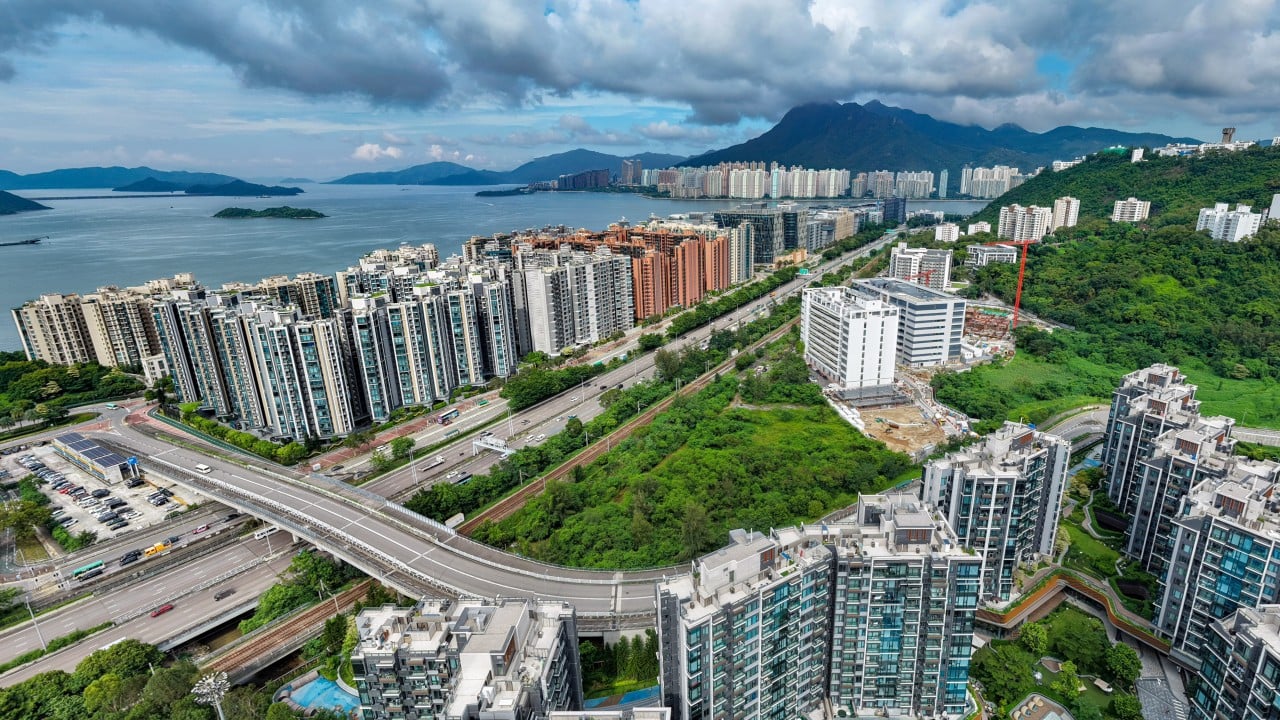
The Chinese University of Hong Kong recently answered that question with a quiet stroke of a pen and a massive parcel of land. They earmarked the Pak Shek Kok site. On paper, it sounds like bureaucratic paperwork. A new medical building. A tenth residential college. Dry terms meant for municipal reports.
Look closer.
Imagine Elena, a nineteen-year-old nursing student who has spent her first year of university studying anatomy from flat screens in a lecture hall so packed she had to sit on the floor. (This is a hypothetical scenario illustrating the real spatial crunch reported across local institutions). She knows the names of every muscle in the human body, but she has never felt the rhythmic pulse of a real patient under her trembling fingertips in a campus-affiliated training ward designed for modern demands.
For decades, higher education and healthcare have operated in separate silos. Medical students train here; patients heal there; undergraduates live somewhere else entirely, crammed four to a tiny dorm room designed for two. The separation is inefficient. Worse, it is soul-crushing.
When CUHK designated the Pak Shek Kok waterfront site, the blueprint aimed to shatter those walls. Think of a living organism rather than a collection of concrete boxes. A medical facility does not just treat illness; it generates questions. A college does not just house students; it shapes their character during the most turbulent years of their lives. When you mash them together into a single master plan, something remarkable happens. The future doctor eating a late-night bun in the college canteen shares a table with the medical researcher who just spent twelve hours isolating a viral strand three floors down. Proximity breeds accidents. Good accidents. Breakthroughs that happen because two exhausted minds bumped into each other by the coffee machine.
Critics will point to the logistics. Building on the waterfront in Tai Po requires engineering wizardry, deep piles, and millions of dollars that could theoretically be spent elsewhere. They talk about traffic congestion along the Tolo Highway. They worry about the strain on local infrastructure.
They are not wrong to worry. Growth is messy. Dust gets in your eyes. Construction noise rattles your windows.
Yet traffic and dust are temporary inconveniences. The alternative is permanent stagnation.
Consider what happens when a healthcare system stops expanding while the population ages. The waiting lists grow longer. The emergency rooms turn into hallways filled with gurneys. The doctors burn out before they turn forty, leaving behind a husk of a system that looks good in annual reports but fails you when your grandmother falls at midnight.
This is why the Pak Shek Kok project matters. It is not just about adding square footage to a university campus. It is a calculated gamble on human capacity. By embedding the 10th college right beside cutting-edge medical infrastructure, the institution is telling its students that medicine is not just a textbook subject to be memorized and regurgitated for an exam. It is a lived reality. It is messy, urgent, and deeply human.
Walk along the Tolo Harbour on a windy afternoon and look toward that plot of land. Right now, it is mostly space and potential. The salt air carries the hum of distant traffic. But beneath the surface, gears are turning. Architects are drawing lines that will dictate how thousands of young people learn, bleed, hope, and heal over the next century.
My grandfather never saw a hospital built like this. He lived in the era of crowded wards and overworked nurses who looked through you because they hadn't slept in two days. But every time I read about a university pushing its boundaries outward, daring to claim prime land for healing and learning instead of luxury apartments, I feel a strange, stubborn flicker of optimism.
The future is not something that happens to us. It is something we pour concrete for.
And somewhere out there right now, a teenager who doesn't yet know she will save a life is packing her bags, waiting for a room in a college that hasn't been built yet, unaware that the floorboards beneath her future are being laid today.