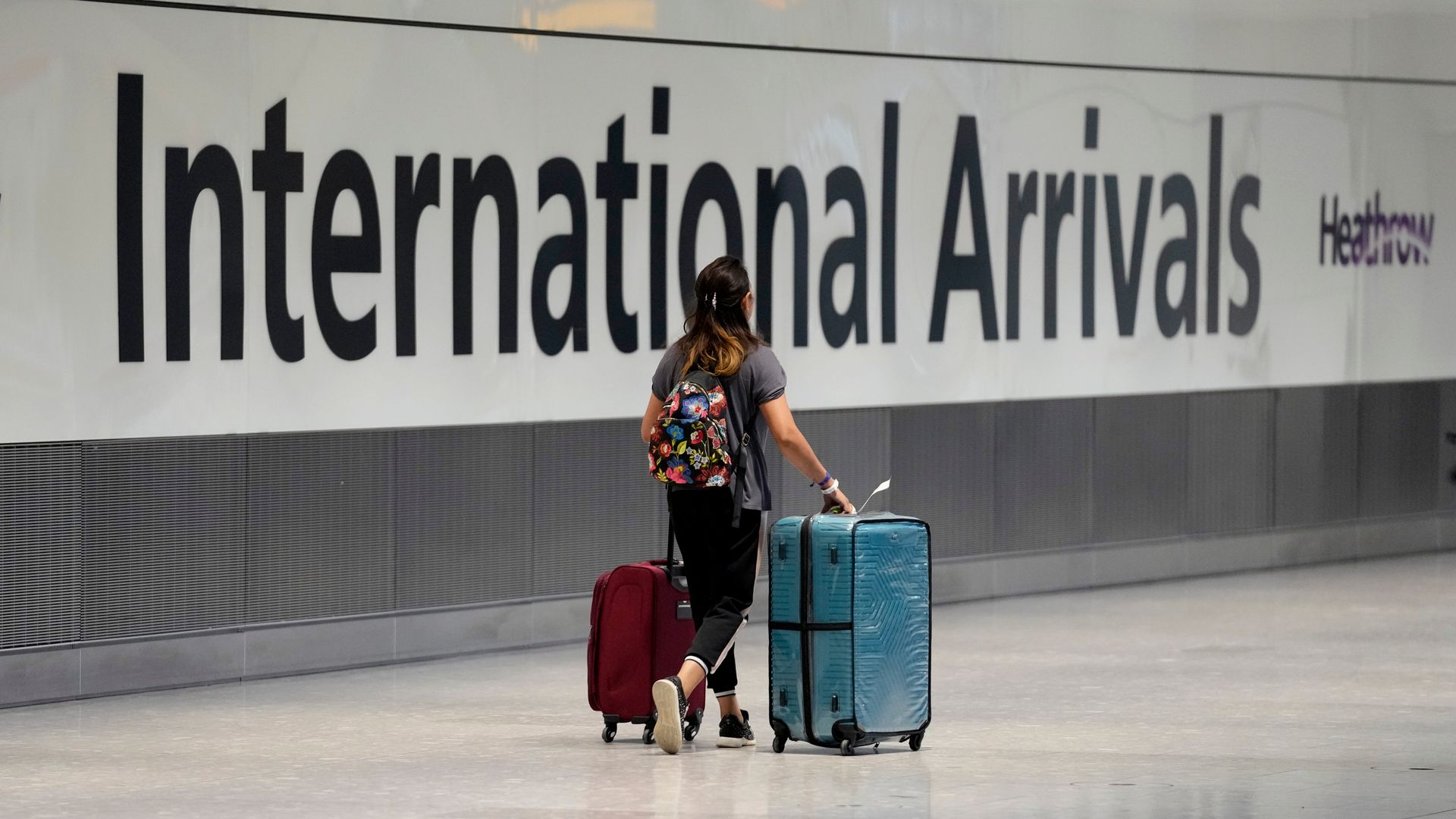
Every single time a heavy downpour paralyzes a major transport hub, the public playbook opens to the exact same page. Media outlets scream about unprecedented weather anomalies. Executives hide behind corporate statements blaming freak acts of nature. Passenger advocates demand immediate compensation packages while ignoring the structural rot beneath their feet.
Stop buying the excuse.
The recent disruption at Heathrow after heavy flooding was not a surprise act of God. It was a predictable mathematical certainty baked into a system that refuses to invest in subterranean redundancy. I have spent decades watching aviation boards prioritize shiny terminal architecture and duty-free retail footprint over drainage pipes and pump stations. When water breaches the tarmac, it exposes a systemic failure of risk management, not a failure of the clouds.
The Myth of the Freak Weather Event
We love blaming the weather because weather requires no accountability. A storm arrives, flights get grounded, bags pile up, and everyone points upward at the sky.
Call it what it actually is: deferred maintenance disguised as meteorology.
Civil engineering standards for major European transport hubs are designed around historical rainfall averages that no longer exist. When airport operators design drainage grids, they look backward instead of forward. They build for the climate of 1985 while running operations in 2026. When a localized cloudburst drops a month of rain in four hours, facilities management panics because their runoff channels were engineered for a trickle, not a torrent.
Heathrow sits in a low-lying valley near the Thames basin. Water flows downhill. This is basic geography taught in primary school, yet somehow airport planners act perpetually shocked when gravity does its job.
"We treat drainage as a secondary utility rather than the primary operational lifeline of an airport."
When the pipes back up, the electricity fails. When the electricity fails, the baggage systems lock up. When the baggage systems lock up, the terminal gates gridlock. The flooding is never just water on the runway; it is the immediate collapse of a fragile, interconnected house of cards.
Why Passenger Compensation Laws Are Masking the Real Disease
The standard public reaction to airport chaos focuses squarely on passenger rights. Missed connections mean meal vouchers. Delayed departures trigger statutory compensation claims.
While financial recourse for stranded travelers is necessary, these regulations create a dangerous moral hazard for airport operators. They treat the symptoms while ignoring the infection.
Airlines and airport authorities budget for compensation payouts the way stores budget for shoplifting loss. It is simply baked into the annual P&L statement. It is cheaper for a massive corporate entity to pay out millions in EU or UK delay compensation once every few years than it is to completely overhaul underground drainage systems, upgrade backup generators, and redesign electrical vaults.
As long as the penalty for flooding is a minor line item on a quarterly earnings report, nobody is going to dig up the concrete to fix the pipes.
If you want to stop terminal shutdowns, stop fining airlines for delayed flights and start fining airport operators for dry-weather negligence that leads to wet-weather disaster. Force them to hold insurance policies that scale exponentially with infrastructure failure. Watch how fast those subterranean pumps get replaced when inaction costs billions instead of millions.
The Operational Reality Nobody Talks About
Let us talk about the backup systems. Or rather, the illusion of them.
When public relations teams issue statements during a crisis, they love to lean on phrases like "backup generators kicked in." What they leave out is that those generators are often housed in the exact same basement levels prone to rising water tables.
I have walked through underground utility corridors beneath major transport terminals. In many cases, critical electrical switchgear sits mere feet away from storm drains that have not been desilted in a decade. When the floodwaters rise, the safety cutoffs trigger automatically to prevent electrocution. The power cuts. The screens go black. The check-in desks freeze.
The failure is not that the water got in. The failure is that architects put the brain of the airport in the basement next to the plumbing.
This is where true engineering expertise separates itself from corporate box-checking. Modern, resilient infrastructure demands decentralized utility distribution. You do not cluster your power generation in a single subterranean vault unless you enjoy courting catastrophe. You elevate your transformers. You install redundant pump circuits with independent power feeds that do not rely on the main terminal grid.
Stop Asking the Wrong Questions
When travelers search for answers after a major transport disruption, they type the same queries into search engines: Will I get a refund? Who is to blame? When will flights resume?
These are the wrong questions entirely.
The real question you should be asking is: Why are private monopolies allowed to run critical national infrastructure on razor-thin maintenance margins?
Airports are treated like shopping malls with runways attached. Every square foot of capital expenditure is funneled toward maximizing retail yields, lounge memberships, and landing slot optimization. Upgrading storm attenuation tanks does not drive incremental revenue per passenger. Fixing an underground culvert does not boost stock prices next quarter.
So they gamble. They gamble that the big storm will hold off until next year. And when the gamble fails, they hand the bill to the taxpayer and the headache to the passenger.
The Hard Truth About Fixing Aviation
Fixing this mess requires admitting an uncomfortable economic truth: travel is underpriced relative to the true cost of resilient infrastructure.
If we want airports that can shrug off extreme weather without turning terminals into indoor swimming pools, we need to accept that operating costs must rise. Airport charges levied on airlines—which eventually trickle down to ticket prices—must reflect the true cost of climate hardening.
Nobody wants to pay more for a flight. But the alternative is continuing down this path of cyclical chaos, where a heavy rain shower brings a global economic node to a grinding halt.
The next time an airport floods and executives stand in front of microphones looking bewildered by the rain, remember what is actually happening. They are not victims of the weather. They are victims of their own balance sheets.
Stop accepting the weather excuse. Stop looking for quick fixes. Demand that the pipes be built before the storm arrives.


