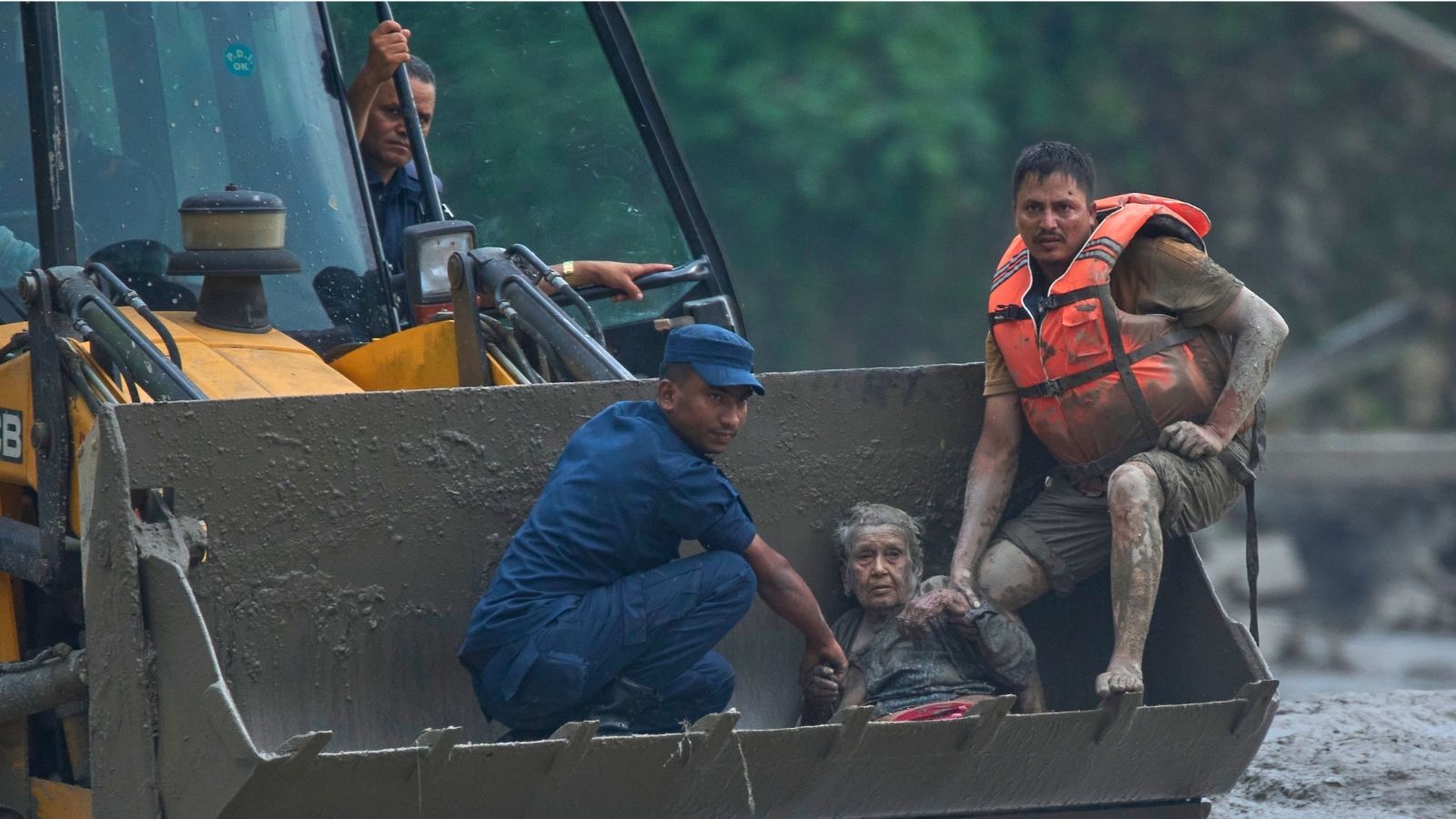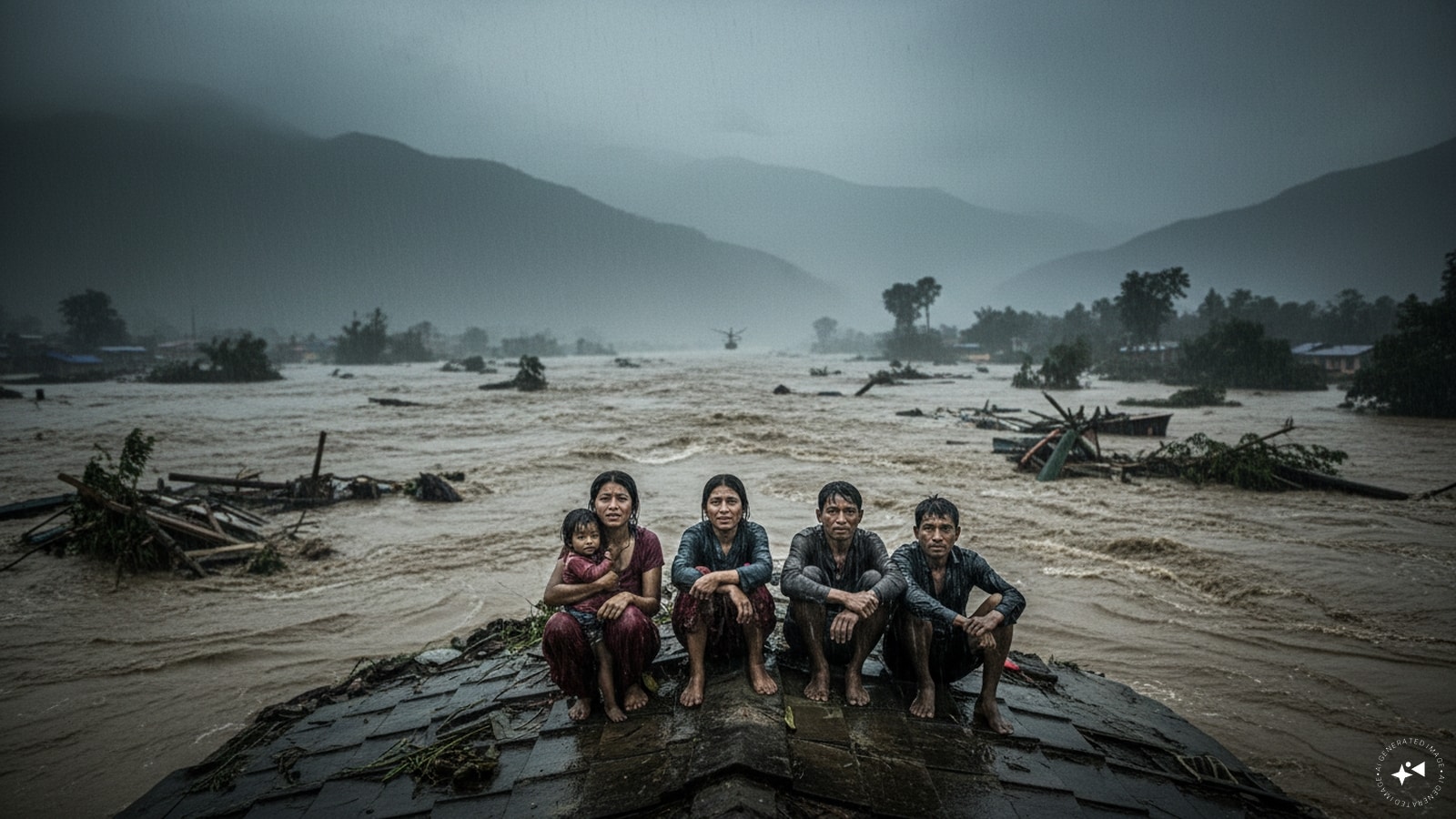
Every single headline about the catastrophic flash floods in Nepal points a finger at the weather. The lazy consensus in international reporting goes like this: clouds roll in, chopper blades stop spinning, and recovery efforts freeze. Journalists love this narrative because it fits a tidy, tragic script. Nature is fierce, machines are helpless, and humans are left staring at the sky.
It is a comfortable fiction. And it is completely wrong.
Bad weather is not the primary bottleneck in Himalayan disaster response. Chronic institutional hubris, a pathological refusal to decentralize engineering logistics, and a total misunderstanding of vertical geography are the actual culprits. When the Trishuli and Bhote Koshi corridors turned into churning slurry, the failure was not meteorological. It was structural.
The Myth Of The Aerial Silver Bullet
For decades, disaster management agencies have treated helicopters as magic carpets. The moment a valley washes out, media and state planners obsess over airlifts. They talk about rotor hours, cloud ceilings, and visibility minimums as if gravity and monsoonal fog are novel inventions.
Let us look at the operational reality. In a narrow Himalayan gorge where flash floods scour the bedrock, landing zones do not exist. Even with advanced night-vision tech and skilled military pilots, shoving a multi-ton rotary-wing aircraft into a box canyon choked with debris and low-hanging cloud banks is a high-stakes gamble with diminishing returns.
When Nepal initially blocked foreign specialist teams, claiming domestic forces were entirely sufficient, they clung to national pride at the expense of physics. Helicopters can pluck a stranded trekker off an exposed ridge, sure. But they cannot crawl through a submerged, mud-choked engineering tunnel at the Upper Trishuli project. They cannot perform forensic DNA identification on bodies recovered from massive sediment deposits.
Air support is a surveillance asset, not a comprehensive rescue architecture. Treating it as one is why thousands remained unaccounted for while authorities waited for the skies to clear.
The Quiet Precision Of Real Engineering
While the media hyperventilated over grounded choppers, New Delhi shifted the tactical paradigm. Instead of sending more symbolic air units into a weather trap, India deployed a targeted, 11-member cohort of medical and subterranean extraction specialists alongside portable Bailey bridge infrastructure.
This is what actual disaster response looks like: unglamorous, highly technical, and focused on ground-level bottlenecks.
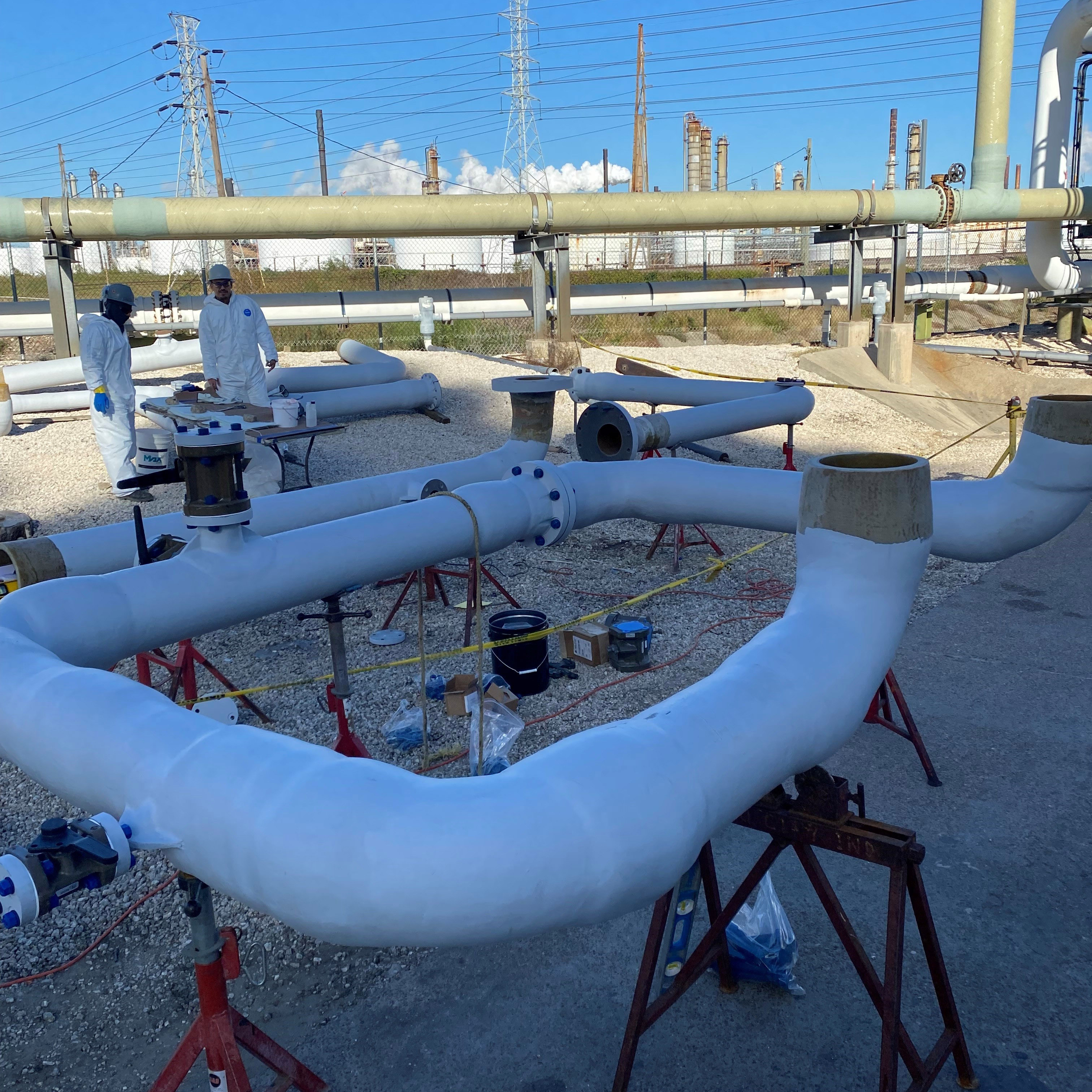
Imagine a scenario where a hydroelectric adit tunnel acts as a literal death trap—packed with slurry, structural rebar, and trapped workers. A helicopter circling overhead at fifty knots is useless. You need specialized shoring equipment, confined-space medical stabilization, and engineers who understand subterranean hydraulics. Nepal finally realized this after diplomatic pressure forced a policy U-turn, opening the door for specialized teams from India, China, and beyond to tackle what choppers never could.
The obsession with broad strokes—sending massive planeloads of generic aid or demanding infinite air sorties—hides the microscopic truth of modern infrastructure disasters. Mountains do not break uniformly. They break at the choke points: bridges, tunnel mouths, and communication conduits.
Fixing The Disaster Playbook
If governments want to survive the next Himalayan catastrophe, they need to throw out the current playbook.
- Abandon centralized air-first doctrines: Keep choppers for initial triage and high-altitude scouting, but pre-position heavy earth-moving assets and modular bridging components below the snowline before the monsoon hits.
- Codify regional specialization early: Stop letting political posturing delay specialized deployments. Tunnel extraction and forensic identification require distinct skill sets that take days to mobilize; waiting for a political crisis to clear before asking for help costs lives.
- Harden decentralized nodes: Hydropower developers operating in fragile gorges like Rasuwa must maintain autonomous, localized rescue caches inside subterranean sites. Relying on state forces to dig you out of a mountain after a flash flood is a failing strategy.
The weather over the Himalayas will always be brutal, unpredictable, and hostile to aviation. Blaming the clouds is just an alibi for poor preparation.
Stop watching the sky. Start shoring up the tunnels.