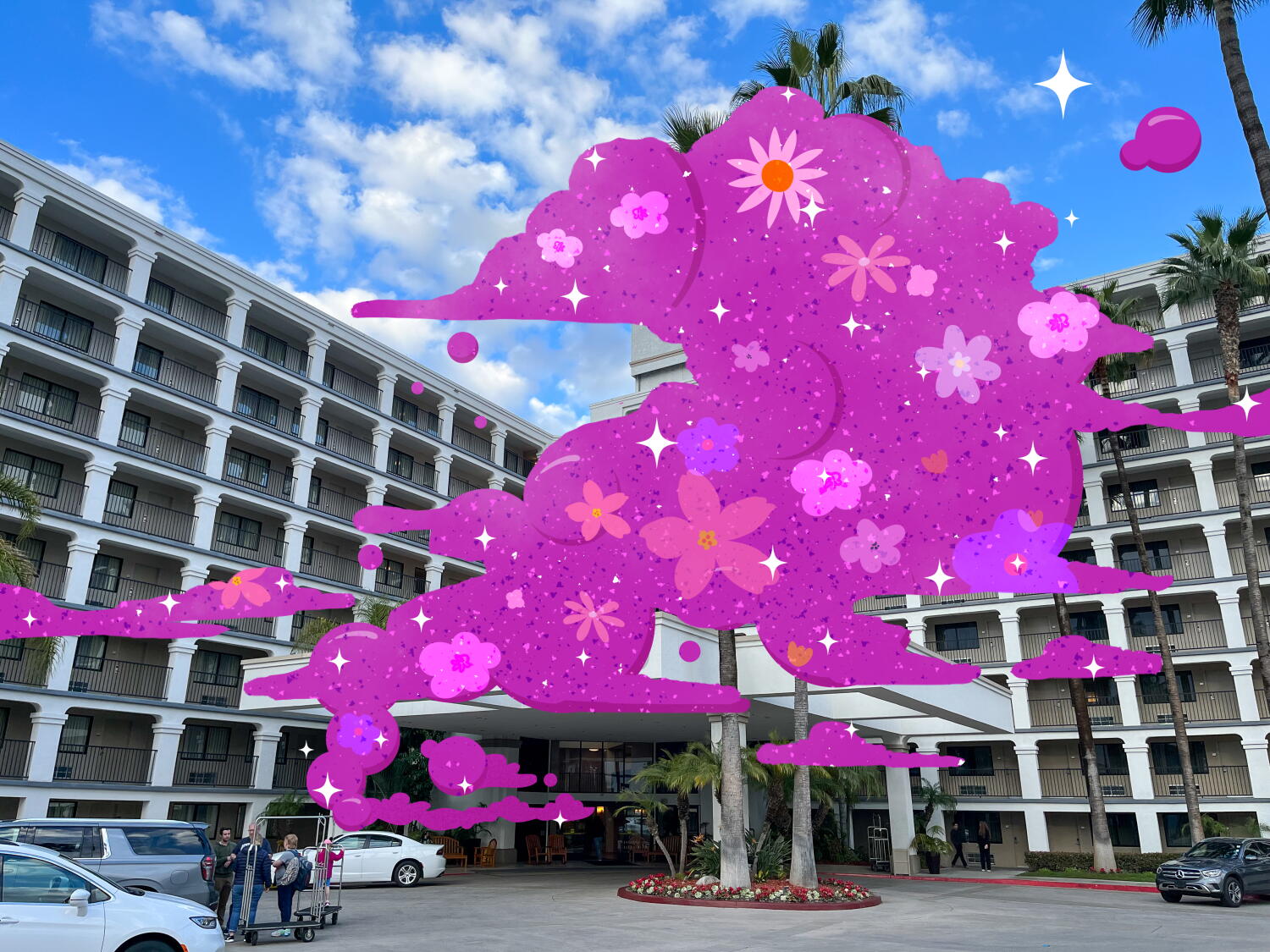
Travel is supposed to be an escape, a change of scenery that revitalizes the mind and body. For millions of people living with chemical sensitivities and fragrance allergies, however, booking a hotel room is an exercise in high-stakes hazard mitigation. When synthetic musks, heavy floral room sprays, and persistent laundry detergents linger in a guest room, a simple weekend getaway can quickly devolve into an acute health crisis characterized by migraines, respiratory distress, and debilitating fatigue.
The hospitality industry operates on an olfactory paradox. Properties spend millions of dollars crafting signature scents designed to build brand loyalty and mask stale odors. But for the growing segment of the population experiencing Multiple Chemical Sensitivity or severe contact dermatitis, those signature aromas function as chemical barriers. Finding a truly hypoallergenic hotel room requires navigating a chaotic landscape of vague cleaning protocols, inconsistent staff training, and architecture that actively traps volatile organic compounds.
The Anatomy of an Indoor Air Trap
Modern hotel architecture prioritizes energy efficiency and aesthetic permanence over respiratory health. To minimize heating and cooling losses, properties rely on tightly sealed windows that do not open. HVAC systems continuously recirculate air through central filtration networks that frequently capture particulate matter while completely ignoring gaseous pollutants. When a previous guest smokes, uses aerosol products, or travels with heavy perfumes, those microscopic chemical compounds settle deep into the textiles.
Carpeting, heavy draperies, upholstered headboards, and plush mattresses act as massive chemical sponges. Standard housekeeping procedures involve daily vacuuming and laundering sheets at high temperatures, but these steps fail to neutralize petrochemical residues embedded in foam cores or synthetic rug fibers. Ozone generators and heavy-duty deodorizers deployed by staff often compound the problem, layering an industrial oxidizer on top of existing synthetic fragrances rather than removing the source.
The Regulatory Void
Unlike food allergies, which enjoy stringent labeling laws and mandatory protocol training across commercial kitchens, chemical sensitivities lack standardized regulatory frameworks in hospitality. The Americans with Disabilities Act provides broad guidelines for physical accessibility, but invisible environmental barriers remain largely unaddressed.
Hotels routinely market rooms as "non-smoking" or "hypoallergenic" based on metrics that only measure tobacco smoke or dust mites. A room cleared of cigarette smoke can still be heavily saturated with micro-encapsulated fabric softeners and quaternary ammonium disinfectants. Front desk employees rarely possess the technical training required to distinguish between a room that is genuinely scent-free and one that has simply been masked with a different chemical agent. When a guest calls ahead to verify air purity, they are usually met with well-meaning confusion rather than actionable data.
The Economics of Clean Air
Implementing comprehensive environmental mitigation carries real costs for property owners. Stripping out wall-to-wall carpeting in favor of hard flooring, investing in medical-grade HEPA filtration units for every suite, and transitioning entirely to unscented, plant-based cleaning agents requires capital expenditure and operational overhauls.
Independent boutique properties and specialized wellness retreats have begun capitalizing on this gap in the market, positioning chemical-free environments as a luxury amenity. Yet, for budget-conscious or business travelers, these specialized properties are frequently out of reach, leaving them dependent on mainstream chains that view air quality as an afterthought.
True reform will not happen until corporate hospitality groups recognize chemical sensitivity not as an inconvenient niche preference, but as a critical accessibility issue. Until property managers adopt transparent air-quality audits and rigorous zero-scented housekeeping standards, the millions of travelers affected by fragrance intolerance will continue carrying air purifiers, testing kits, and heavy medications just to spend a night away from home.