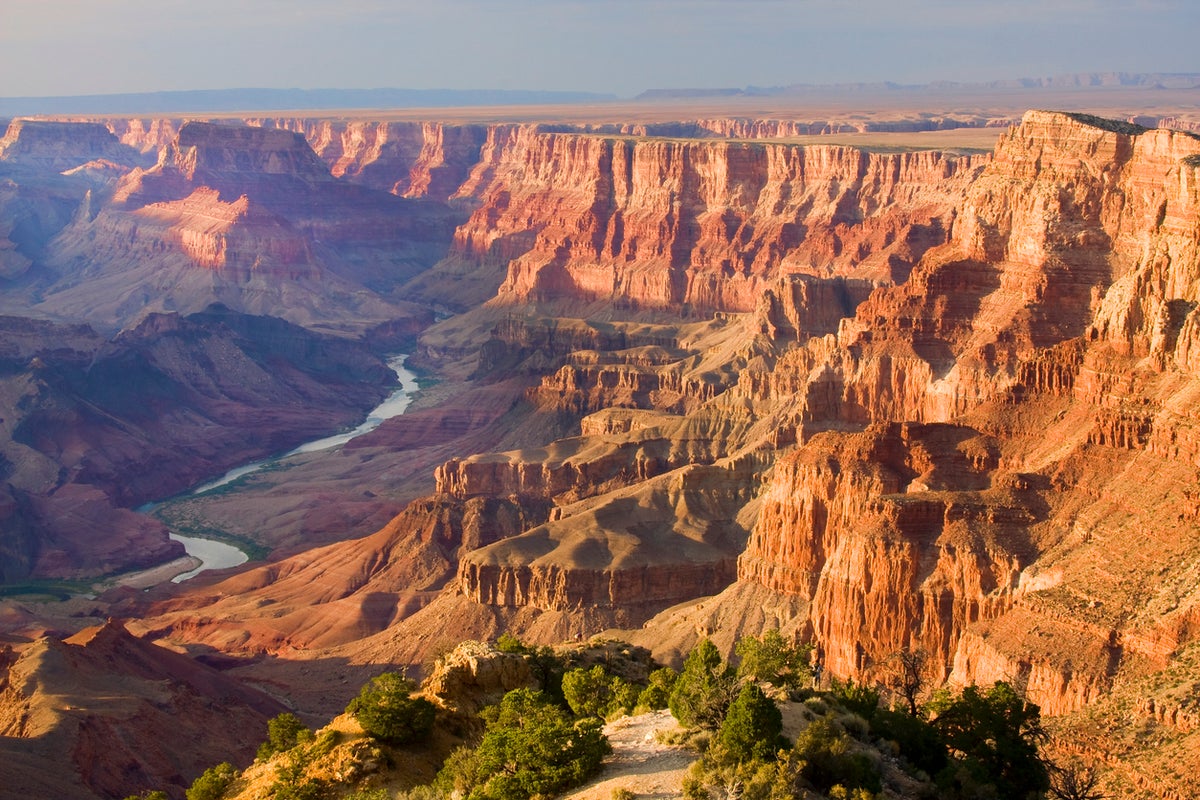
A severe gastrointestinal illness is tearing through commercial and private rafting expeditions deep within the Grand Canyon, leaving health officials scrambling to contain outbreaks in one of the most remote environments in North America. Hundreds of rafters and guides have reported sudden, violent bouts of vomiting and diarrhea while days away from medical help. While early reports labeled the situation a baffling mystery, a closer look at backcountry sanitation, viral durability, and the unique geography of the Colorado River corridor reveals a predictable public health crisis.
The primary culprit is not a exotic desert pathogen. It is norovirus. Learn more on a similar issue: this related article.
This highly contagious virus thrives in high-density, low-infrastructure environments. When a single person brings the virus onto a multi-day rafting trip, the shared kitchens, communal handles on ammo-can toilets, and limited freshwater for handwashing turn a bucket-list vacation into a logistical nightmare.
The Perfect Wilderness Incubator
The Grand Canyon creates a unique pressure cooker for infectious disease. Rafting trips last anywhere from a week to nearly a month, with participants living in close quarters. Further reporting by Healthline delves into related perspectives on this issue.
They eat together. They pack out all human waste in specialized metal boxes. They share heavy raft rigging, kitchen utensils, and water filtration setups.
If an individual is asymptomatic or ignoring mild symptoms before launching from Lee’s Ferry, the virus silently hitches a ride. Norovirus requires an incredibly low viral load to trigger an infection; inhaling or ingesting just a few microscopic particles is enough. Once the first person succumbs to symptoms on day three or four of a trip, the environment ensures rapid transmission.
[Infected Person]
       │
       ├─► Communal Toilet Handles ──► Next Rafter
       ├─► Raft Rigging / Straps   ──► Next Rafter
       └─► Kitchen Prep Surfaces   ──► Food Contamination
Compounding the issue is the physical layout of the canyon itself. Side streams and popular stopping points like Elves Chasm or Havasu Creek see dozens of different rafting groups congregate every single day.
Rafters use the same handholds to scramble up rocks. They swim in the same eddies. A group experiencing an active outbreak can easily leave viral particles on the rocks or in the slow-moving water pools, infecting the next group that stops by for a scenic lunch.
Why Standard Backcountry Sanitation Fails
For decades, wilderness guides have relied on a standard protocol for hygiene. They set up handwashing stations using foot pumps, river water, and biodegradable soap. They use chlorine or iodine to purify drinking water.
Against norovirus, these methods are shockingly ineffective.
- Alcohol-based hand sanitizers do not kill norovirus. The virus lacks a lipid envelope, making it highly resistant to alcohol rubs that knock out standard bacteria.
- Standard camp soaps lift dirt but often fail to fully remove or deactivate viral particles under cold river-water conditions.
- Boiling or heavy bleaching is required to truly sanitize kitchen gear, a high bar to maintain when cooking for 30 people in a sandstorm on a remote river beach.
When a guide or passenger prepares a meal with improperly washed hands, the food becomes a vector. Because norovirus can survive on dry surfaces for days—and even resist freezing temperatures—a contaminated raft frame or cooler handle remains infectious for the duration of the trip.
The Logistical Nightmare of a Wilderness Evacuation
Getting sick in a suburban home means resting near a clean bathroom and a refrigerator stocked with electrolytes. Getting sick at the bottom of the Grand Canyon means facing triple-digit heat, swarms of flies, and zero air conditioning while trapped on an inflatable raft.
Dehydration becomes a life-threatening emergency within hours. The extreme heat of the inner canyon accelerates fluid loss. When a patient cannot keep fluids down, oral rehydration packets become useless.
Extreme Heat (105°F+) + Continuous Fluid Loss = Acute Kidney Injury Risk
National Park Service rangers face immense pressure during these surges. Evacuating a single passenger via helicopter from the bottom of the canyon costs thousands of dollars and risks the safety of flight crews. Yet, leaving a severely dehydrated person on a raft for another 100 miles of whitewater is a recipe for organ failure.
Satellite communication devices allow guides to call for help, but medical choppers cannot always land due to high winds, narrow canyon walls, or nightfall. Groups are frequently forced to set up "quarantine camps" on isolated sandbars, trying desperately to separate the sick from the healthy while waiting for dawn or a break in the weather.
Overlooked Factors and Ecosystem Variables
Public health investigations often overlook how changes in the river's flow patterns affect disease transmission. Since the construction of the Glen Canyon Dam, the Colorado River runs cold and clear for much of the year, altering how organic material behaves in the water column.
During high-use summer months, thousands of people pass through the same narrow corridor. The sheer volume of human presence strains the carrying capacity of the beaches.
While regulations require all human feces to be packed out, urine goes directly into the main flow of the Colorado River, per National Park Service rules. While norovirus is primarily shed in stool, the sheer density of people bathing, washing hands, and accidentally swallowing water in eddies creates an unavoidable statistical risk.
Comparing Wilderness Pathogens
| Pathogen | Primary Source | Resistance to Alcohol Sanitizer | Survival Time on Surfaces |
|---|---|---|---|
| Norovirus | Human feces/vomit | High (Not inactivated) | Days to weeks |
| Giardia | Animal/Human feces | High (Requires filtration/boiling) | Months in cold water |
| Salmonella | Contaminated food | Low (Killed easily) | Hours to days |
The focus on waterborne pathogens like Giardia has historically blinded some outfitters to the reality of viral person-to-person spread. A water filter that removes bacteria and protozoan cysts will completely miss viral particles unless it is specifically rated as a purifier with a pore size small enough to trap viruses, or supplemented with chemical treatment.
Hard Truths for the Rafting Industry
Commercial outfitting is a lucrative business. Trips cost thousands of dollars per seat, and seasons are booked out years in advance. This creates a subtle, dangerous incentive for both clients and companies to ignore early warning signs.
A customer who has waited three years for a permit is unlikely to cancel their trip over a "mild stomach bug" the morning of the launch. A guide who relies on seasonal tips may hesitate to report a personal illness if it means missing a multi-week rotation.
To truly address the recurring outbreaks, the National Park Service and commercial operators must shift away from outdated wilderness tropes and adopt strict institutional protocols.
Screening passengers at the staging area must become mandatory. Anyone showing signs of gastrointestinal distress within 48 hours of launch must be barred from boarding, with clear insurance mechanisms in place to refund their trip.
Camp hygiene must also evolve. Foot-pump handwashing stations need replacement with high-pressure, bleach-based sanitizing regimens for all kitchen and toilet gear. Every trip must carry specific anti-viral cleaning agents, extensive PPE for guides handling toilet facilities, and adequate supplies of intravenous fluids or prescription anti-emetics like Ondansetron to stop vomiting before severe dehydration sets in.
The illusion that the deep wilderness is inherently sterile or safe from modern epidemiological realities is dead. The Grand Canyon is a spectacular, unforgiving environment, and treating it like a pristine amusement park rather than a high-risk backcountry corridor only guarantees that the next launch will face the exact same fate.