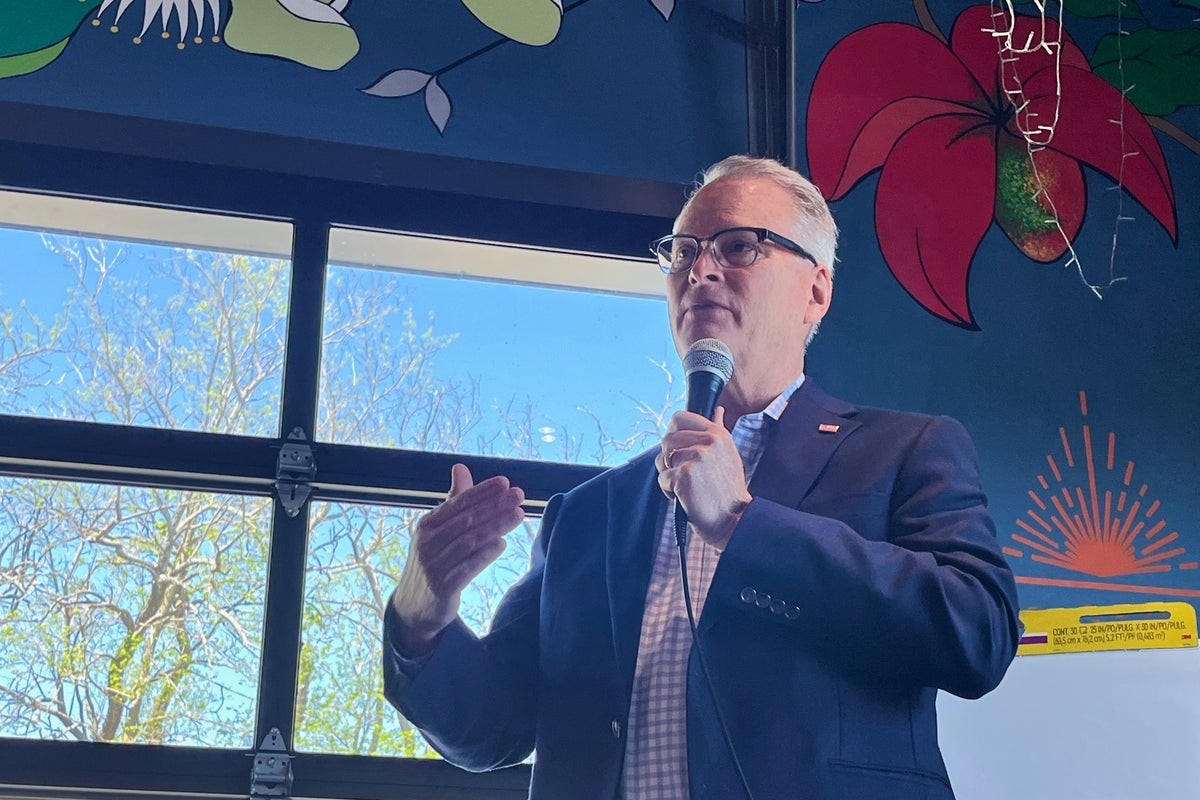
Faith and politics have always been messy roommates in Kansas, but things just got a lot more complicated. When a megachurch pastor with a massive following decides to jump into a US Senate race, it's not just another campaign announcement. It’s a seismic shift in how the state’s religious right might mobilize. You’re looking at a candidate who doesn’t need a name-recognition tour because his face is already on screens in thousands of living rooms every Sunday.
This isn't about traditional stump speeches. It’s about a built-in infrastructure of donors, volunteers, and believers who see a political seat as a moral mission. In Kansas, where the Republican primary is often the real election, this entry changes the math for every other candidate on the ballot. If you think this is just about "the religious vote," you're missing the bigger picture of how digital-age ministry translates into a political machine.
Why the Kansas Senate Race Just Got Volatile
Kansas politics isn't a monolith. You've got the suburban moderates in Johnson County pitted against the deep-red rural blocks, and right in the middle sits the influential evangelical community. A pastor entering the fray doesn't just pull from the base; he threatens to redefine it. The traditional GOP establishment usually relies on predictable career politicians who know how to play the game in Topeka or D.C. A megachurch leader operates outside those rules.
They bring a different kind of "currency." While other candidates spend months trying to build an email list, a pastor of this scale already has a massive database of engaged followers. They have a media team that knows how to produce high-quality video content that goes viral without spending a dime on traditional ad buys. It’s a massive head start that makes life very difficult for career politicians.
The scrutiny will be intense. When a spiritual leader moves into the political arena, every sermon they’ve ever given becomes opposition research. Critics will dig through years of footage looking for a single sentence that sounds too radical for a general election. But for the pastor’s supporters, that "outsider" status is exactly the point. They don't want a polished legislator; they want someone who speaks their language.
The Church to State Pipeline
We've seen this play out before, but rarely with a candidate who has this much national reach. The crossover between the pulpit and the podium is a path paved with both huge opportunities and massive legal landmines. Under the Johnson Amendment, 501(c)(3) organizations like churches are technically barred from endorsing candidates. However, the line between "moral guidance" and "political campaigning" is incredibly thin and rarely enforced.
Expect the campaign to lean heavily on "values" rather than specific policy white papers. You won't hear as much about tax code nuances or grain shipping regulations in the early days. Instead, the focus will stay on cultural flashpoints that resonate with a base feeling alienated by the current federal government. It's a strategy designed to bypass the wonks and go straight to the heart of the voter's identity.
- Financial Might: Megachurches often handle multi-million dollar budgets. This candidate knows how to raise money and, more importantly, how to spend it on large-scale operations.
- The Trust Factor: Voters generally trust their spiritual leaders more than they trust any politician. That built-in credibility is worth more than a $5 million ad campaign.
- Network Effects: A nationwide following means the money won't just come from Kansas. It’ll pour in from supporters across the country who want to see their favorite teacher in the halls of power.
What This Means for the Republican Primary
The current GOP field in Kansas was likely hoping for a quiet path to the nomination. That's gone now. Every other candidate has to decide whether to tack further right to compete for the evangelical core or try to position themselves as the "adult in the room" for moderates. It's a dangerous game. If you attack a pastor too harshly, you risk offending the very voters you need to win.
We should also talk about the "celebrity" aspect. In 2026, being a "famous" pastor is effectively being a social media influencer with a moral mandate. This candidate understands how to capture attention in a crowded news cycle. While other candidates are doing local radio hits, this campaign will be streaming to a global audience. The sheer scale of the reach is something Kansas hasn't really dealt with in a Senate primary before.
Navigating the Controversy of Clergy in Politics
There’s a segment of the population that gets very uncomfortable when the pulpit turns into a political platform. You’ll hear a lot about the separation of church and state in the coming months. But for the candidate’s base, they see it differently. They don't see a conflict; they see a calling. They believe their values are under attack and that sending a "man of God" to Washington is the only way to fix a broken system.
The biggest hurdle won't be the opposition—it’ll be the transition from being a leader who is rarely questioned to a candidate who is constantly attacked. In a church, the pastor has the final word. In a Senate race, every reporter, opponent, and Twitter troll gets a shot at you. How this candidate handles that loss of "absolute authority" will determine if the campaign lasts until November or flames out by August.
Watch the donor filings closely. If the money starts coming in small increments from thousands of out-of-state donors, you're looking at a national movement using Kansas as its springboard. If the support stays local, it's a traditional grassroots play. My bet is on the former. This is about more than just one seat; it's a test case for whether the megachurch model can officially take over the legislative branch.
Keep an eye on the upcoming town halls. The shift from "preaching" to "policy" is where most clergy-turned-candidates stumble. It’s easy to talk about broad moral truths, but it’s a lot harder to explain your stance on complex healthcare subsidies or foreign trade agreements. Voters eventually want specifics, and that's where the honeymoon phase usually ends.
If you're following this race, start by looking at the candidate's past three years of social media presence. That's your blueprint. It tells you exactly which issues they'll champion and which ones they'll dodge. Pay attention to the rhetoric around "national renewal" or "restoration." Those aren't just buzzwords; they're the foundation of a campaign built on the idea that the country needs a spiritual overhaul, not just a legislative one.