The weight of a police badge is measured in more than just metal. In Hong Kong, it carries the gravity of authority, the promise of protection, and a specific kind of social standing that opens doors. But for Li Lok-yin, that weight became a physical crush. It wasn't the triad gangs or the grueling shifts of an inspector that broke him. It was the silence of a mounting debt that eventually swallowed his career and his freedom whole.
Walking through the corridors of a police station, there is a rhythm to the camaraderie. You trust the person next to you with your life. You share meals, gripes about the bureaucracy, and the dark humor required to survive the job. What you don't share—what Li Lok-yin couldn't bring himself to whisper—was that he was drowning in HK$2 million of debt.
Shame is a quiet predator. It convinced an officer of the law that his only exit was to break it.
The Architecture of a Lie
By 2021, the numbers on the ledger had stopped making sense. Two million Hong Kong dollars is not a sum one stumbles into by accident. It is a slow accumulation of choices, interests, and the desperate hope that the next "investment" or the next loan will level the playing field. For an inspector, a role that demands high integrity and commands a respectable salary, admitting to financial ruin feels like an admission of professional failure.
Li looked at his colleagues and saw lifeboats. Between 2021 and 2022, he began to craft a narrative that had nothing to do with the predatory interest rates or the crushing reality of his bank statements. He told them he needed money for his father's medical bills. He spoke of family emergencies.
Think about that moment of transition. You are sitting across from a friend you’ve patrolled the streets with. You look them in the eye and use their empathy as a tool. It is a specific kind of betrayal. You aren't just taking their money; you are harvesting their kindness to feed a black hole.
He collected over HK$80,000 from fellow officers. In the grand scheme of a multi-million dollar debt, eighty thousand is a bandage on a gunshot wound. It wasn't enough to save him. It was only enough to keep the facade from cracking for a few more months.
The Fragility of the Blue Wall
The police force operates on a foundation of "vetting." Officers are checked for criminal records, for political leanings, and, crucially, for financial stability. A desperate officer is a vulnerable officer. A man with a HK$2 million shadow is a man who can be bought, coerced, or driven to exploit his position.
Li knew this better than anyone. When the time came for his financial declarations, he chose the path of omission. He lied to his superiors. He claimed his finances were stable, hiding the mountain of debt from the very institution designed to monitor it.
The tragedy of the situation is that the system provides mechanisms for help. There are debt counseling services and welfare officers. But those paths require a surrender of ego. To take them, Li would have had to walk into a room, put his badge on the table, and admit he was no longer the man in control.
Instead, he chose the isolation of the lie.
The Sound of the Gavel
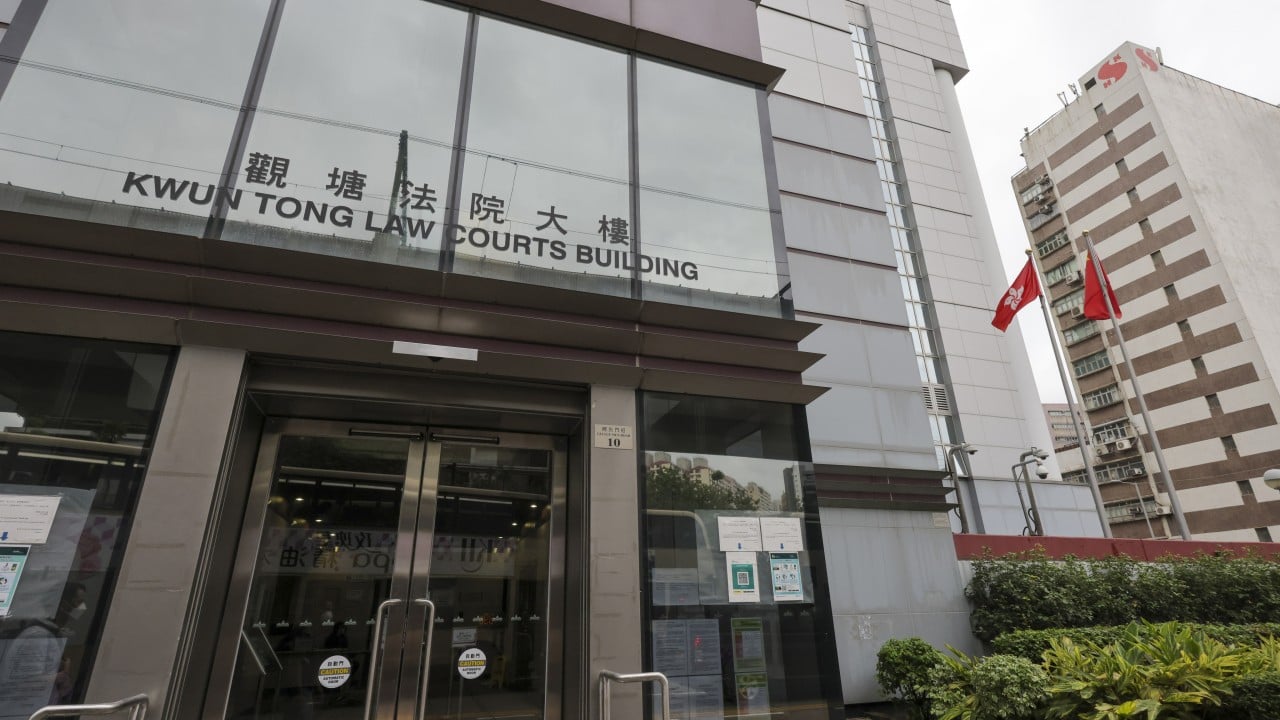
In a Hong Kong courtroom, the air often feels stagnant, thick with the legal jargon of the Prosecution and the Mitigation. Acting Principal Magistrate Daisy Hui didn't see a hero who had fallen; she saw a man who had systematically exploited the trust of those closest to him.
The defense tried to paint a picture of a man under immense pressure, a man who had already lost his career—a "punishment" in itself. They argued that the loss of his job and the subsequent social disgrace should weigh heavily in his favor.
The court disagreed.
There is a particular coldness to the crime of fraud when the victims are your peers. It isn't a victimless lapse in judgment. It is a calculated strike against the social contract of the workplace. When Li was sentenced to 10 months in prison, the sentence wasn't just for the money. It was for the erosion of the integrity that the uniform is supposed to represent.
He stood there as the sentence was read. The inspector's rank was gone. The pension, the status, and the respect of his peers had vanished long before the handcuffs were clicked into place. All that remained was the debt, which remained as indifferent and massive as ever.
The Cost of the Mask
We often talk about corruption in terms of bribes and backroom deals involving high-level syndicates. We rarely talk about the corruption of the soul that happens when a person is too proud to be poor. Li Lok-yin’s story isn't a thriller about a "dirty cop" selling secrets to the mob. It is a much more common, much more haunting story about the cost of maintaining a mask.
How many people are currently sitting in offices, in squad cars, or in hospitals, smiling at their coworkers while the math in their head refuses to add up?
The debt is a ghost that follows you into every room. It sits at the dinner table. It watches you sleep. For Li, the ghost eventually became the master of the house. He traded ten months of his life and the entirety of his reputation for a few weeks of borrowed time.
Now, the silence is different. It isn't the silence of a secret kept; it's the silence of a cell. The two million dollars is still out there, a ghost waiting for him to finish his time. But the badge is gone, and with it, the man he pretended to be.
The hardest thing to realize is that the people he lied to would likely have helped him for real, if only he had told a truth that didn't involve a script. Trust is a currency that once spent, can never be printed again.