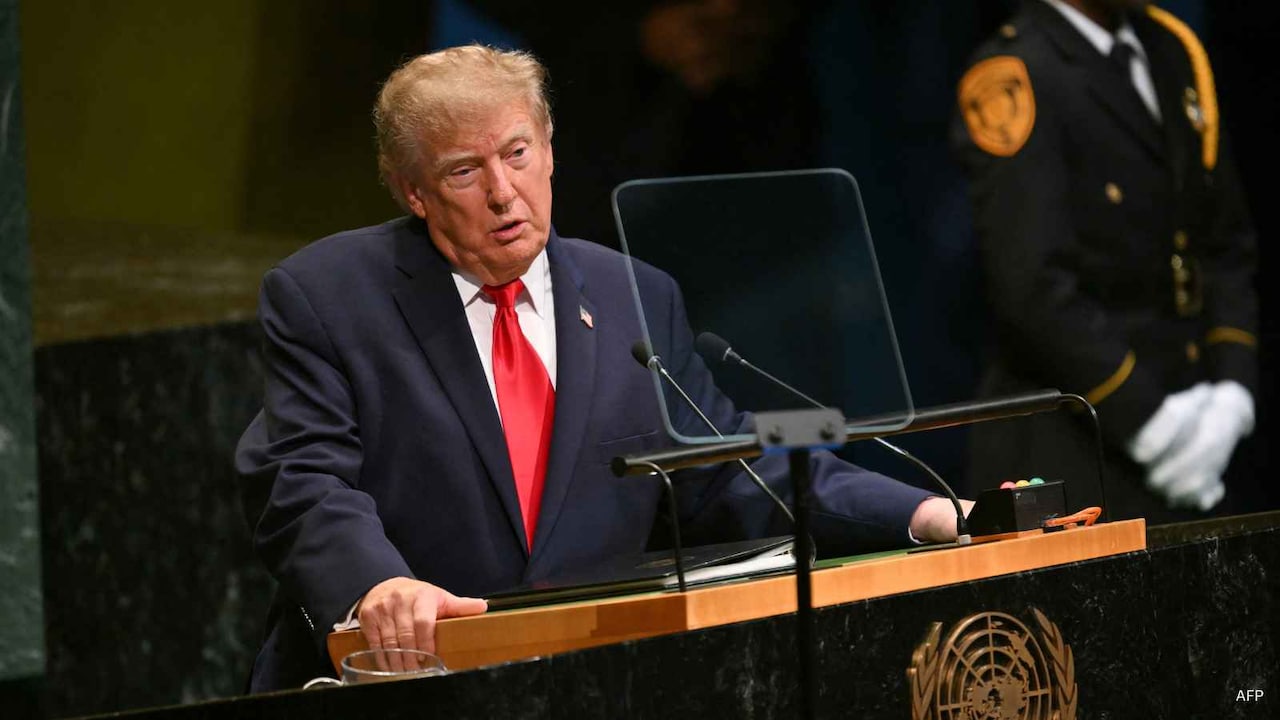
The modern architecture of crisis diplomacy relies on a predictable cadence of maximalist threats and hurried backchannel handshakes. When American executive leadership steps to a global podium and invokes total destruction, veteran observers understand the script. Hours later, reports of remarkably productive negotiations on the sidelines offer a calculated release valve. This duality is rarely a sign of genuine breakthrough. Instead, it represents a calibrated stress test designed to manage domestic political fatigue while keeping adversaries off balance.
To decode why an administration can threaten to annihilate a sovereign state in the morning and praise its negotiating partners by nightfall, one must examine the intersection of military exhaustion and electoral timelines. The ongoing conflict with Iran has settled into a grinding stalemate, draining regional resources and placing intense pressure on global energy markets. Domestic voters, weary of protracted foreign entanglements and rising fuel costs, register their discontent at the ballot box. In this environment, public bluster serves a dual purpose: projecting absolute strength to domestic constituents while signaling to foreign capitals that the option of total military escalation remains on the table.
Yet, behind closed doors, the mechanics of survival take over. Envoys meet quietly in neutral settings not out of sudden goodwill, but because both Washington and Tehran face unsustainable structural pressures. Iran's economy reels under severe fiscal strain, crippled by years of heavy sanctions and degraded infrastructure. Meanwhile, the White House confronts the political fallout of a conflict that has failed to yield a clean, decisive victory. When officials describe these backchannel sessions as "very good," they are translating mutual desperation into diplomatic currency.
The core contradiction of this approach lies in the mechanics of ultimatum-based bargaining. Demanding unconditional compliance while simultaneously offering a seat at the negotiation table creates an unstable paradox. Tehran cannot accept terms that look like total capitulation without risking internal regime collapse, yet Washington cannot scale back its demands without appearing weak ahead of critical legislative cycles. Consequently, these praised talks often function as tactical pauses rather than strategic pivots. Both sides test the resolve of the other, measuring whether economic attrition or political pressure will crack first.
History suggests that structural stalemates rarely resolve through sudden epiphanies in hotel conference rooms. They terminate when the cost of maintaining the status-quo outweighs the domestic cost of a compromise. Until that threshold is crossed, the public threats will remain deafening, and the private breakthroughs will remain provisional. The theater will continue, punctuated by moments of acute tension, long after the rhetoric has lost its shock value.
Trump says 'Very Unlikely' To Launch Fresh Iran Strikes If Talks Progress
This video and accompanying reporting provide direct context on the shifting calculus between public military threats and private diplomatic assurances regarding Iran.